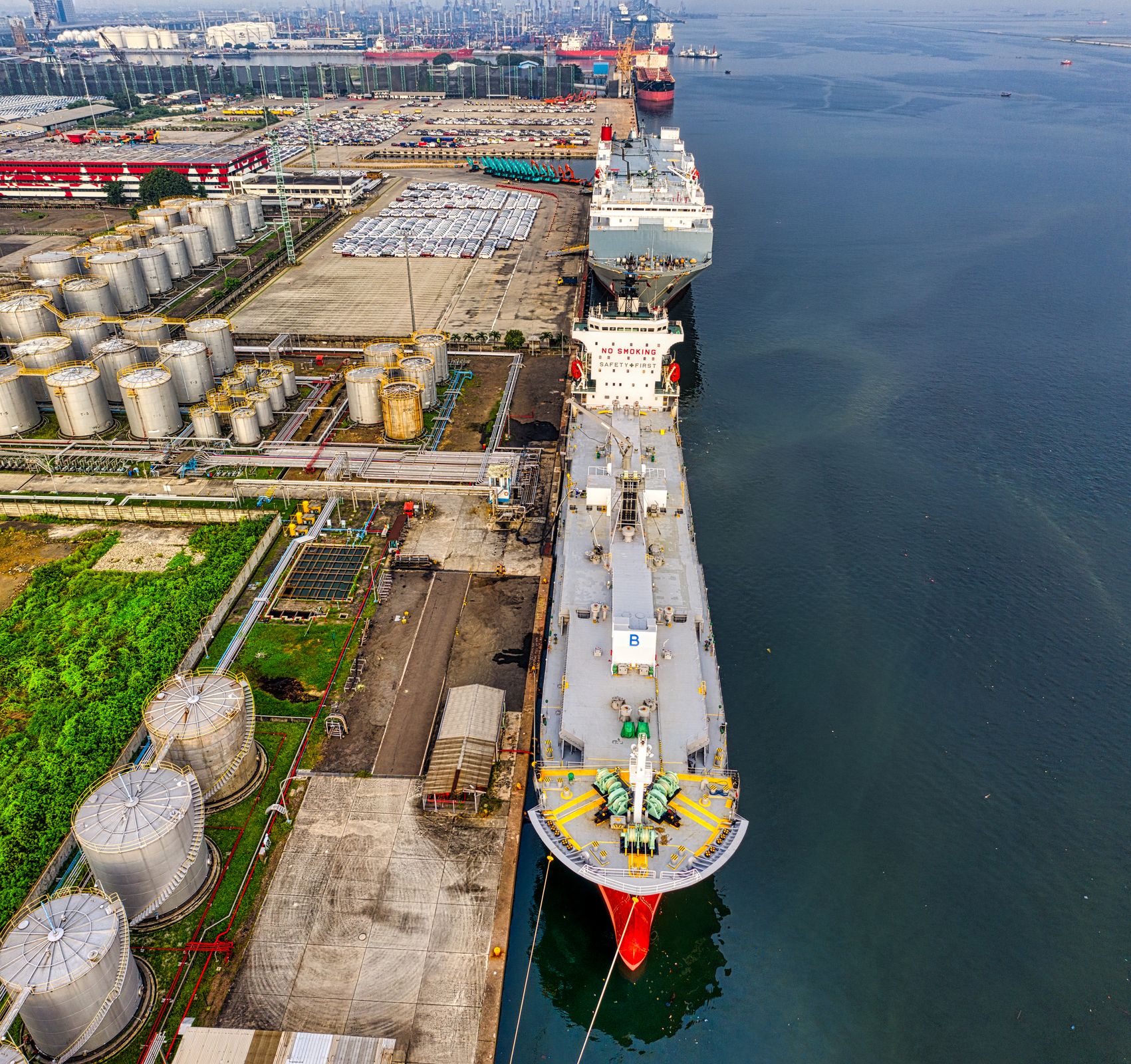
China’s UN ambassador says maintaining the ceasefire and reopening Hormuz are urgent priorities
Beijing is publicly tying its diplomacy to ceasefire stabilization and maritime reopening rather than only price fallout.
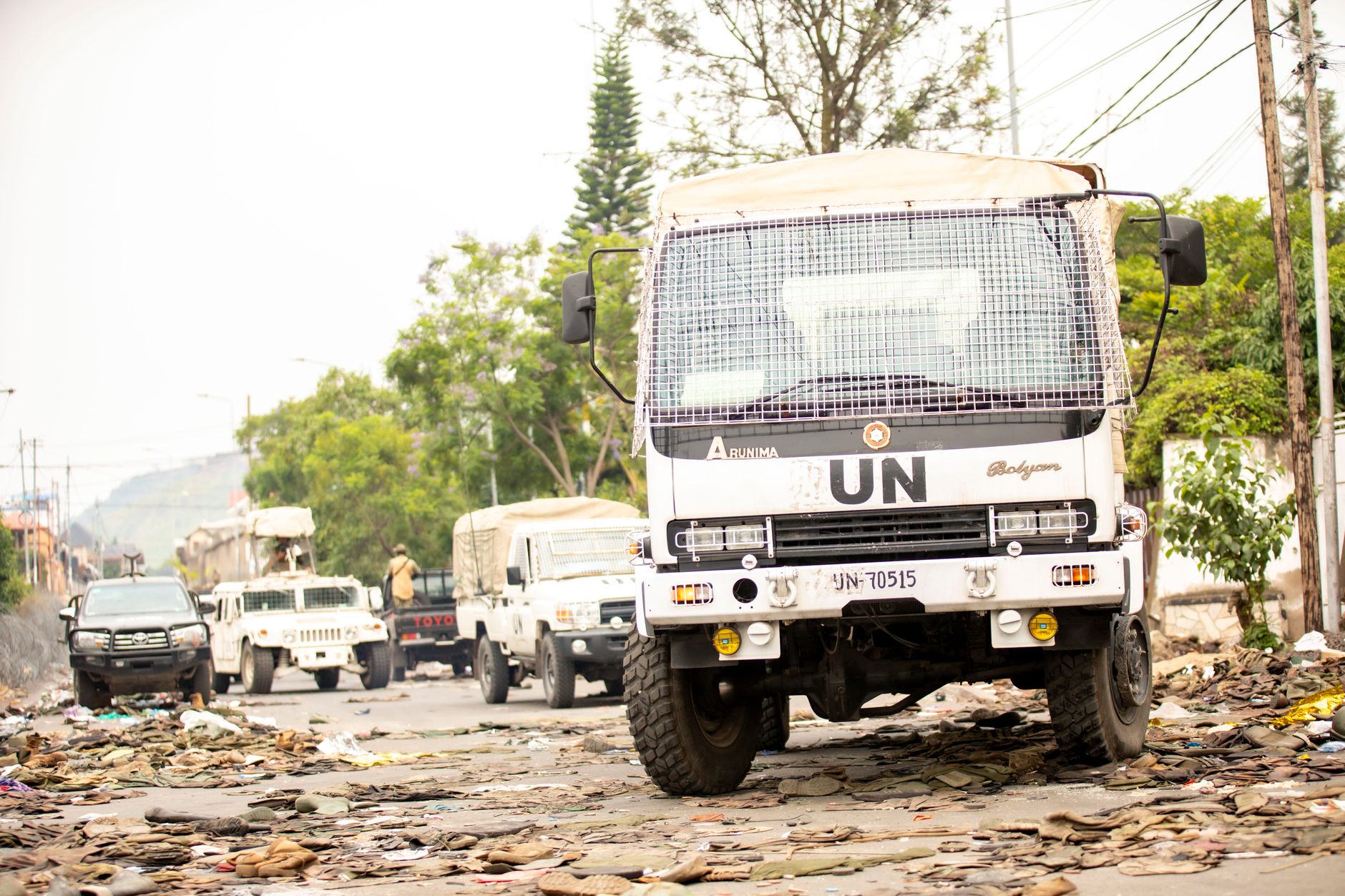
UN kept the route unsettled. Beijing is publicly tying its diplomacy to ceasefire stabilization and maritime reopening rather than only price fallout. The pressure point sits in Middle East. The immediate pressure point is shipping insurance, because that is where the event starts producing visible consequences.
Beijing is publicly tying its diplomacy to ceasefire stabilization and maritime reopening rather than only price fallout. This piece should make clear what changed, why it matters now, and what readers should watch next. Diplomatic progress in the lead, enforcement risk underneath.
Beijing is publicly tying its diplomacy to ceasefire stabilization and maritime reopening rather than only price fallout. The practical test now is whether the move around UN stays narrow or forces a wider reset in timing, pricing, routing, access, or political room to manoeuvre. Everyday cost or access pressure is one of the first places that shift becomes visible.
Price and financing pressure is what turns this from a single update into a moving story. Beijing is publicly tying its diplomacy to ceasefire stabilization and maritime reopening rather than only price fallout. The chain usually runs through routing, insurance, delivery timing, and then price—well before consumers see a neat explanation at the pump or on the invoice. Diplomatic progress in the lead, enforcement risk underneath.
Coverage is clustering in Middle East, East & SE Asia, Global. Across that spread, coverage keeps pulling toward de-escalation, consensus, so readers are not just seeing different tone; they are often being handed a different main plot.
This is one of the stronger live signals in the scan. The important phase is usually the stretch after the trigger but before everyone accepts a new baseline. That is when officials test wording, operators test workarounds, and the first real clues appear around UN rather than in the headline itself.
The next phase is less about the announcement than about follow-through in Middle East. UN and East & SE Asia are now part of the watch list because their next choices will show whether this turn hardens into a new baseline or remains a short-lived jolt. Beijing is publicly tying its diplomacy to ceasefire stabilization and maritime reopening rather than only price fallout. The walkaway is that the state of play has materially changed.
From here, the follow-through matters more than the quote. Watch whether UN actually changes on the ground, whether neighbouring actors copy or resist the move, and whether the story starts showing up in places that were initially quiet. That is usually the moment when a local-seeming development reveals itself as a wider systems signal.
By the end, the shape of the story should feel clearer: a real shift, a traceable consequence chain, or a human or systems angle that disappears if you stay with the broad headline alone. Not every item needs to sound monumental. It does need to leave the reader with something concrete to watch tomorrow.
Sources for this article are being documented. Albis is building transparent source tracking for every story.
Get the daily briefing free
News from 7 regions and 16 languages, delivered to your inbox every morning.
Free · Daily · Unsubscribe anytime
🔒 We never share your email