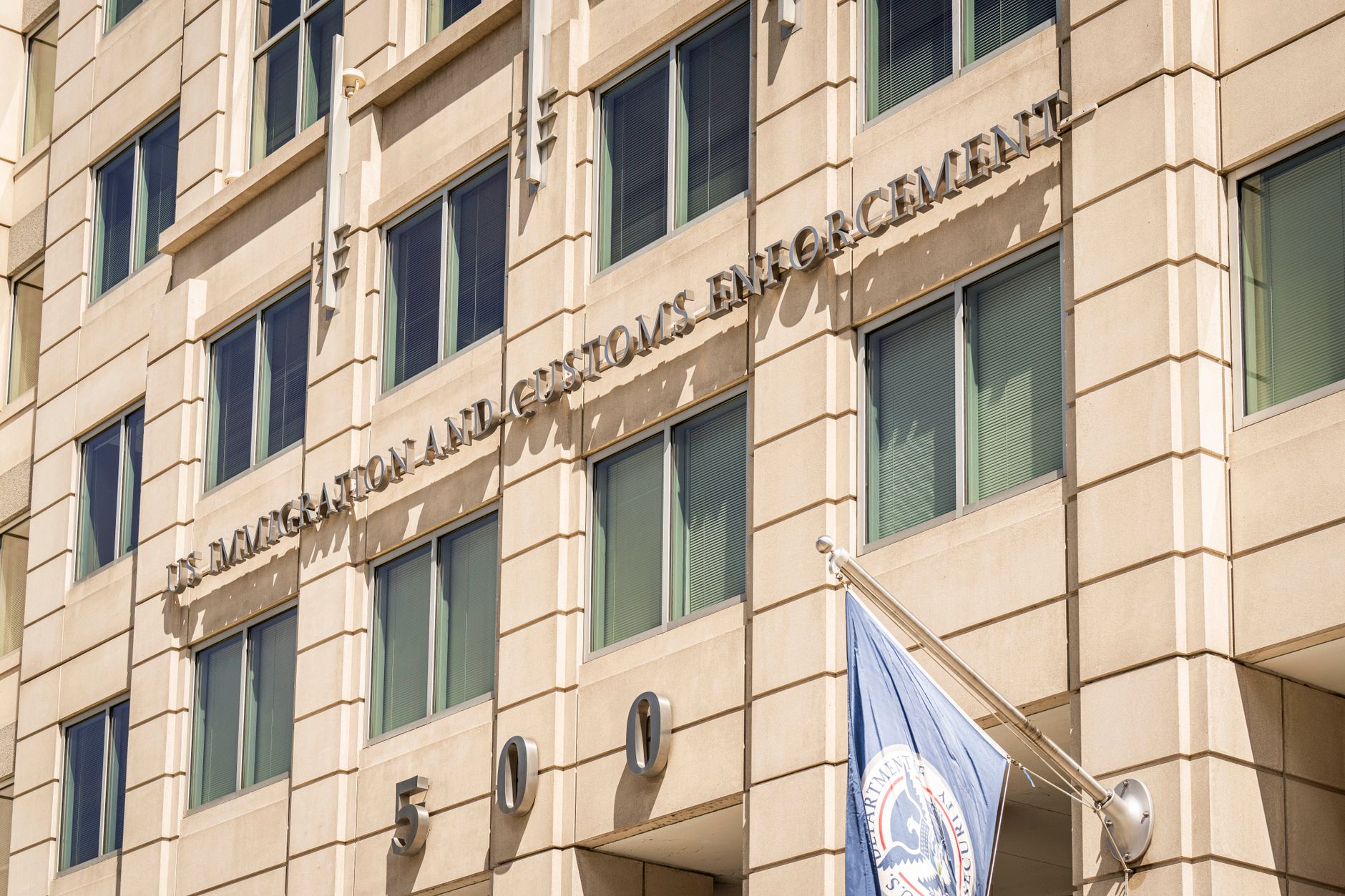
EU and Armenia signal deeper alignment at a summit-style meeting
Armenia’s first bilateral summit with the European Union in Yerevan marked another step in its cautious turn away from Moscow and toward Brussels.
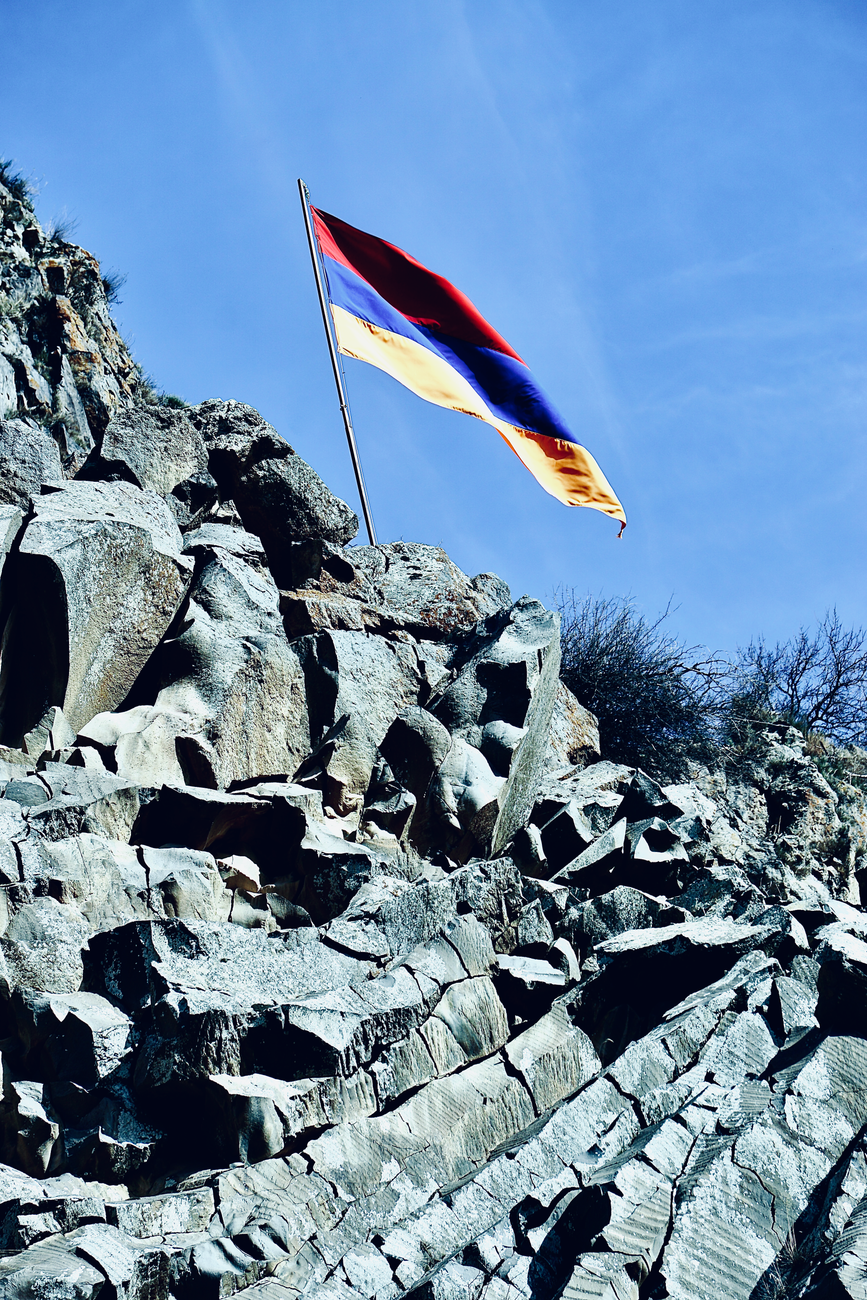
Armenia hosted its first bilateral summit with the European Union in Yerevan on Tuesday, after dozens of European leaders gathered in the Armenian capital for the European Political Community meeting a day earlier.
The Los Angeles Times described the EU-Armenia summit as a landmark diplomatic moment for a Caucasus nation that has formally declared its ambition to join the bloc while loosening ties with longtime ally Russia. The meeting produced a connectivity partnership aimed at strengthening economic ties and deepening security cooperation.
The setting mattered. The supplied European Political Community background says the 8th EPC summit was held in Yerevan on May 4, 2026, with 48 countries participating under the motto “Building the Future: Unity and Stability in Europe.” That placed Armenia at the centre of a European strategic forum, not only as a host but as a country repositioning itself.
The Defense Post, citing AFP, framed the summit as a “leap forward” in EU-Armenia ties. It reported that European Commission President Ursula von der Leyen and European Council President Antonio Costa held talks with Armenian Prime Minister Nikol Pashinyan, resulting in several deals and pledges.
The wider mechanism is Armenia’s search for room to manoeuvre. The Los Angeles Times links the westward turn to strained relations with Moscow after Azerbaijan reclaimed Karabakh in 2023 and ended the rule of ethnic Armenian separatists. Armenian authorities accused Russian peacekeepers of failing to protect Armenian interests, weakening trust in Moscow as a security anchor.
The Defense Post adds the alliance complexity: Armenia remains connected to Russia-led structures, including the Eurasian Economic Union, while it froze its membership in the Moscow-led CSTO security alliance in 2024. Pashinyan’s stated strategy is “diversification,” though analysts cited by the outlet read it as a tilt toward Brussels.
Euractiv’s excerpt gives the economic frame: Armenia is expected to play a role in the “Middle Corridor,” a trans-Caspian trade route linking Europe to Asia while bypassing Russia, with EU investments expected to reach €2.5 billion. That turns diplomatic alignment into infrastructure, trade routing and regional influence.
The source framing is consistent but layered. The Los Angeles Times emphasizes the historic summit and Armenia’s break with Russian influence. The Defense Post stresses the formal EU language of cooperation and the security backdrop. Euractiv foregrounds deals, investment and the Middle Corridor. Together, the supplied sources show a state-level turn that affects Europe, the South Caucasus and trade routes beyond both.
For readers, the practical change is that Armenia is no longer only a small-state diplomacy story. Its choices now sit inside Europe’s security debate, Russia’s weakened regional role and the contest over routes between Europe and Asia. The summit did not complete Armenia’s shift, but it made the direction harder to ignore.
Add context
Know something useful about this story?
Albis is built for public understanding. If you have a source, lived experience, or a missing angle, you can add context for others.
Share context →Sources for this article are being documented. Albis is building transparent source tracking for every story.
Conversation
What are you seeing?
Add local context, a source, a question, or a perspective we may have missed. You can comment as a guest or create a free account.
Loading conversation…
Get the daily briefing free
News from 7 regions and 16 languages, delivered to your inbox every morning.
Free · Daily · Unsubscribe anytime
🔒 We never share your email