Germany's Growth Cut Shows Europe Is Now Pricing the Middle East Shock
Germany's downgraded growth outlook is not just a domestic economics story. It shows the Middle East shock is now being priced into Europe's macro assumptions.
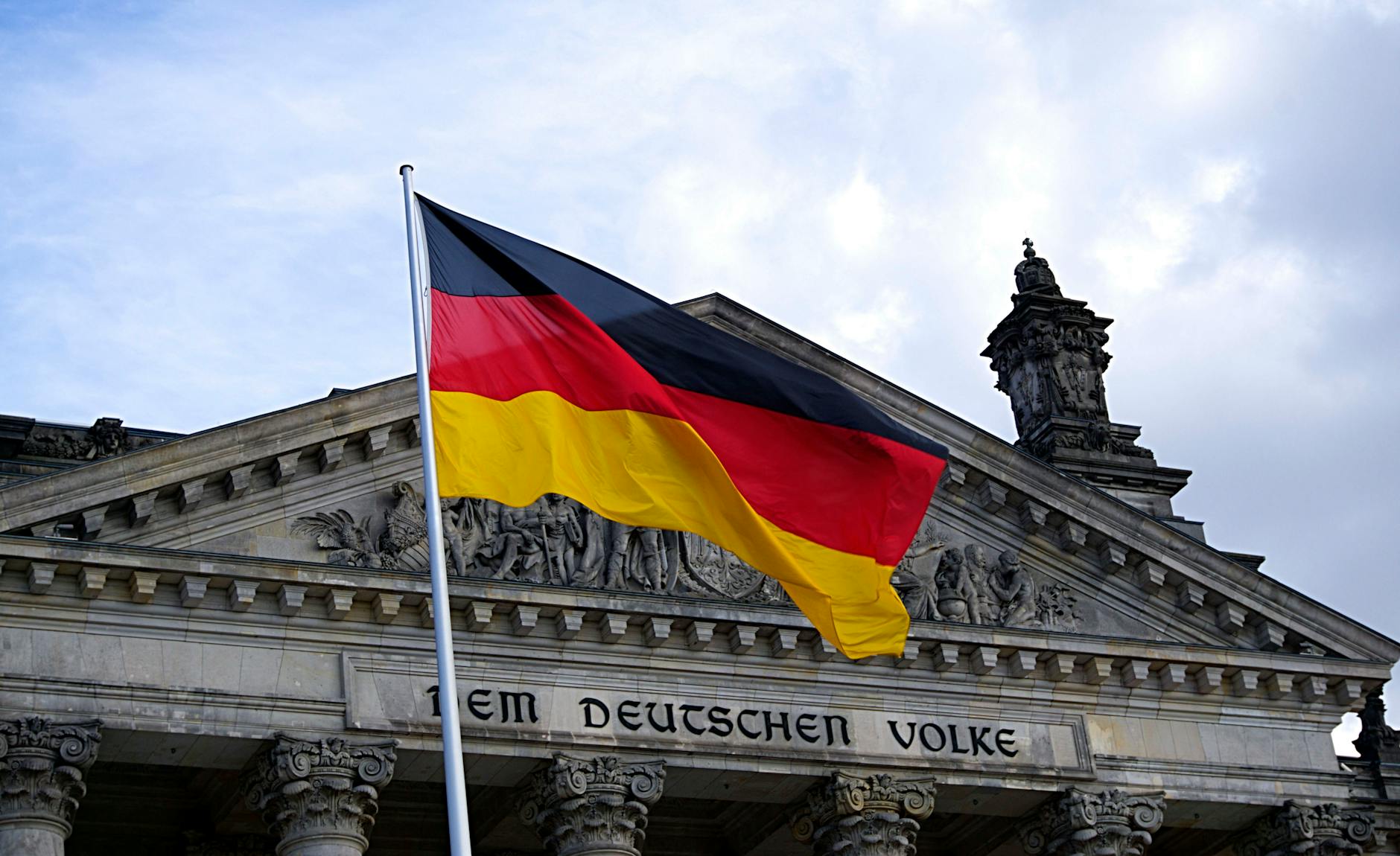
Germany has cut its growth forecast as Europe absorbs the Middle East energy shock. That matters because Germany is still the clearest industrial proxy for how external conflict turns into slower growth, stickier inflation and weaker confidence across the eurozone. This is not breaking war news. It is a macro consequence update.
Growth downgrades are where distant crises stop looking distant.
Germany's forecast cut is the latest proof. For weeks, the Middle East story has been read through ceasefires, blockade language and tanker traffic. Now the fallout is moving into Europe's own baseline assumptions for growth and inflation.
That makes this more than a domestic economics note. It is a state-of-system update.
Albis has already tracked the broader transmission chain in Trade Grows but Fragility Rises Under Shipping Strain and The IMF and World Bank Are Warning That a War Shock Is Moving Into Food Systems. Germany adds a more concrete layer. Europe is no longer only discussing vulnerability. Its biggest economy is revising the numbers.
Reuters reported that Germany cut both its 2026 and 2027 growth outlook while raising inflation expectations. That is the key signal. The issue is not whether every eurozone economy will look identical. It is that the region's economic centre now has to price in higher energy costs, weaker industrial momentum and more supply-chain uncertainty.
Germany matters because it sits at the junction of manufacturing, exports and energy dependence. When its assumptions change, the wider European story changes with them. What looked like external instability starts to become internal restraint.
There is not much perception-gap drama here. Regions that cover the story broadly agree on the basic diagnosis. The split is mostly about emphasis. European coverage reads it as a practical macro downgrade. U.S. and global coverage tend to treat it as one more consequence of the Middle East crisis. That relative consensus is useful in itself. It means the fight is less over interpretation than over how much attention the shift deserves.
It deserves more than it will probably get.
That is because this kind of story lacks spectacle. Forecast revisions do not produce dramatic footage. But they do mark when governments, investors and firms stop treating a geopolitical shock as temporary noise. A revised growth path tells you the crisis has entered planning.
That is the real change here. Europe is not just reacting to headlines from the Gulf. It is starting to build those risks into its economic future.
There is a second layer too. Germany's downgrade does not stay in Germany. It feeds into business investment, eurozone sentiment, household caution and the political space governments have to cushion higher living costs. Singapore Tightens Policy as the Gulf Shock Spreads Into Asian Inflation showed the Asian version of the same pattern. Different regions are now pricing the same shock in different policy languages.
Title honesty matters here. This is not a fresh crisis trigger. It is an economic consequence story about what changed after the shock.
What changed is that Germany has formally lowered its growth expectations. What remains unresolved is whether the pressure stays concentrated in energy and industry or spreads more broadly through employment, confidence and fiscal policy. What to watch next is whether other European economies revise in the same direction and whether companies begin echoing the downgrade in earnings and investment plans.
A conflict becomes a macro event when the spreadsheets change. In Europe, that moment is now harder to deny.
Add context
Know something useful about this story?
Albis is built for public understanding. If you have a source, lived experience, or a missing angle, you can add context for others.
Share context →Sources for this article are being documented. Albis is building transparent source tracking for every story.
Conversation
What are you seeing?
Add local context, a source, a question, or a perspective we may have missed. You can comment as a guest or create a free account.
Loading conversation…
Get the daily briefing free
News from 7 regions and 16 languages, delivered to your inbox every morning.
Free · Daily · Unsubscribe anytime
🔒 We never share your email


