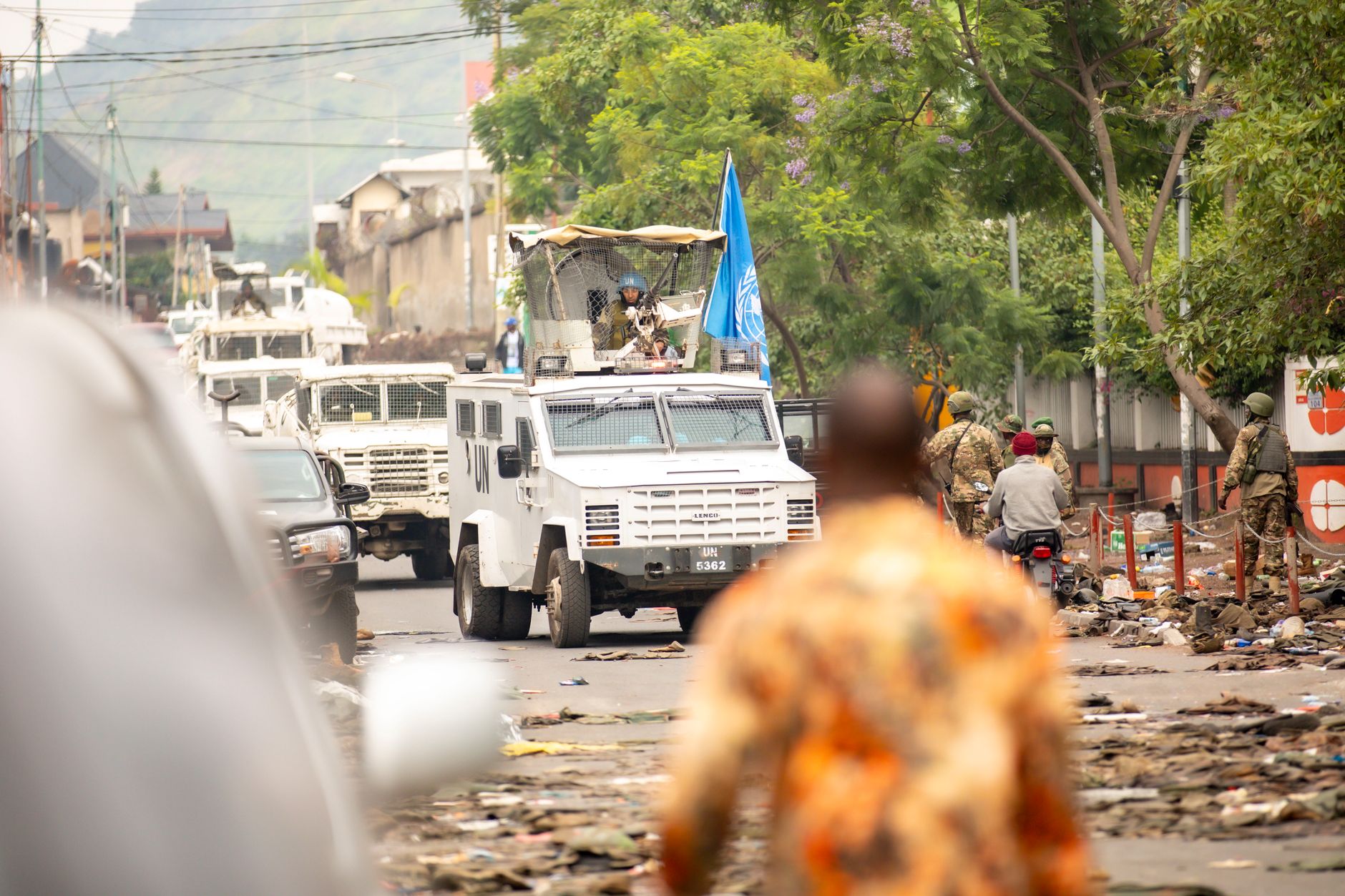
Global food-crisis report warns famine risk persists in Gaza, Sudan and South Sudan
The report ties conflict, climate stress and aid contraction into a single global hunger warning with immediate policy relevance.
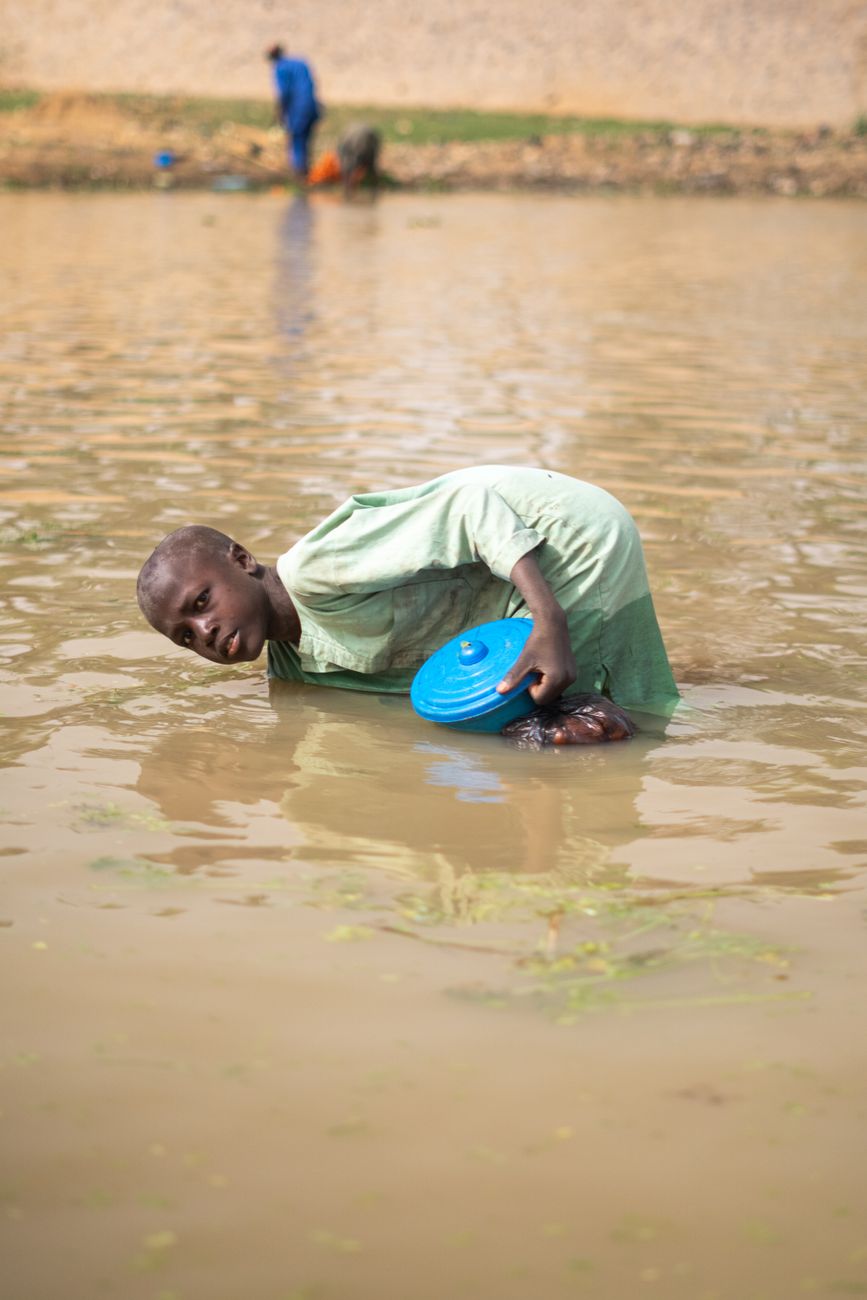
Sudan and South report warns famine risk persists in Gaza, Sudan and South Sudan. Official reassurance in the lead, household or clinic pressure underneath Sudan and South and Middle East sit near the centre of that divide.
The report ties conflict, climate stress and aid contraction into a single global hunger warning with immediate policy relevance. This piece should explain what the loudest frame misses and why that gap matters now. Official reassurance in the lead, household or clinic pressure underneath.
Official reassurance in the lead, household or clinic pressure underneath That matters because audiences can leave the same event with different ideas about what the story is actually about. That split also opens into system-shift as the next layer of coverage.
Human access squeeze is the hinge. The report ties conflict, climate stress and aid contraction into a single global hunger warning with immediate policy relevance. Once that hinge comes into view, the difference between rhetoric, emphasis, and downstream consequence becomes easier to read.
Coverage is clustering in Middle East, Africa, Global. Across that spread, coverage keeps pulling toward consensus, escalation, so readers are not just seeing different tone; they are often being handed a different main plot. The footprint is broad, which usually means downstream effects will travel beyond the country that triggered the headline.
That split is visible across coverage clustered in Middle East, Africa, Global. Even a narrower gap can still change what readers notice first and what they ignore. The report ties conflict, climate stress and aid contraction into a single global hunger warning with immediate policy relevance. The real takeaway is that the public frame and the operating reality are diverging.
From here, the follow-through matters more than the quote. Watch whether Sudan and South actually changes on the ground, whether neighbouring actors copy or resist the move, and whether the story starts showing up in places that were initially quiet. That is usually the moment when a local-seeming development reveals itself as a wider systems signal.
This is one of the stronger live signals in the scan. The important phase is usually the stretch after the trigger but before everyone accepts a new baseline. That is when officials test wording, operators test workarounds, and the first real clues appear around Sudan and South rather than in the headline itself.
By the end, the shape of the story should feel clearer: a real shift, a traceable consequence chain, or a human or systems angle that disappears if you stay with the broad headline alone. Not every item needs to sound monumental. It does need to leave the reader with something concrete to watch tomorrow.
Sources for this article are being documented. Albis is building transparent source tracking for every story.
Get the daily briefing free
News from 7 regions and 16 languages, delivered to your inbox every morning.
Free · Daily · Unsubscribe anytime
🔒 We never share your email