Pakistan-led mediation keeps U.S.-Iran diplomacy alive as parties narrow gaps
If mediation succeeds, it could extend the current de-escalation and reshape sanctions, shipping, and security expectations well beyond the Gulf.
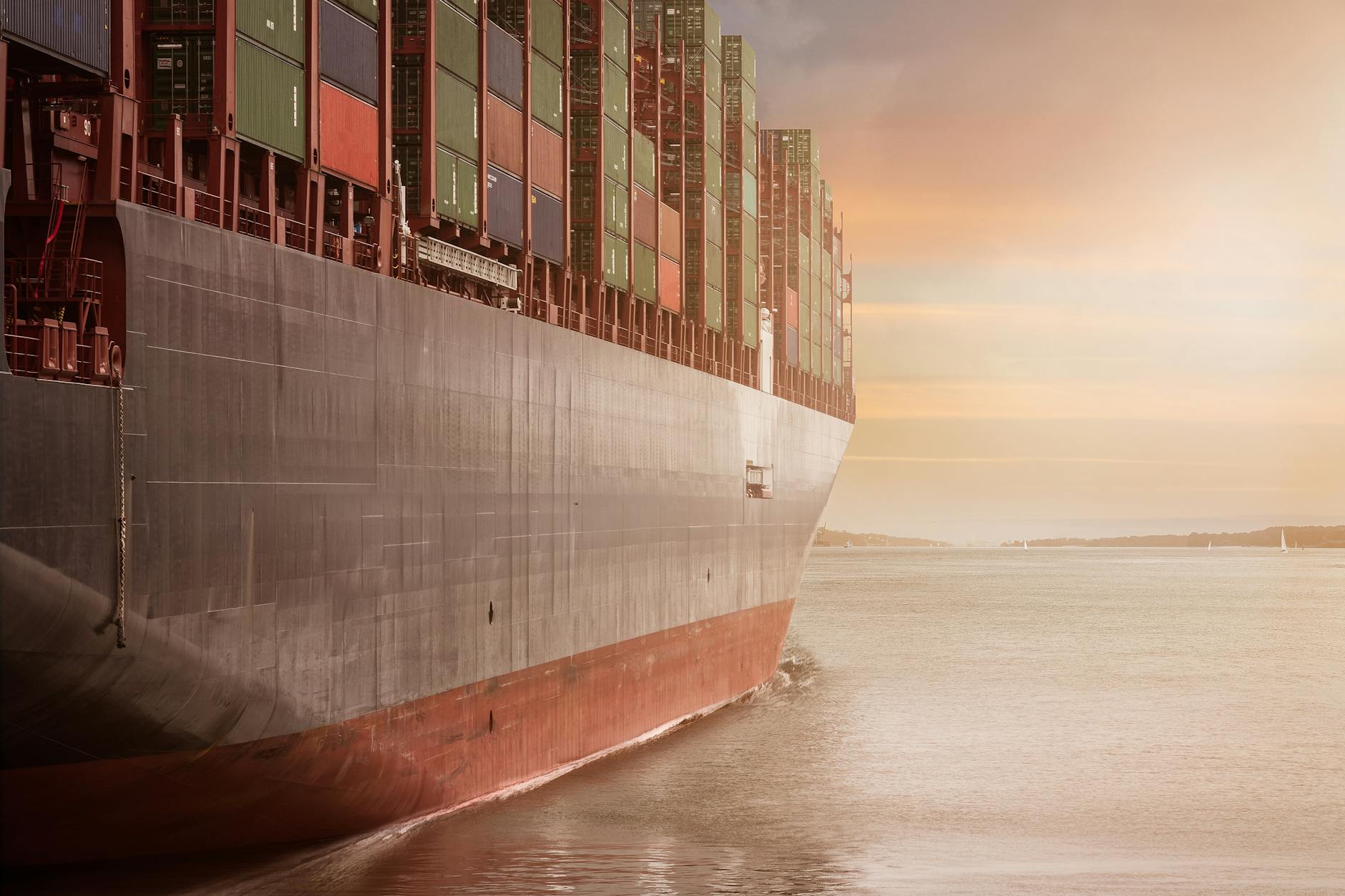
Pakistan-led mediation keeps U.S.-Iran diplomacy alive as parties narrow gaps matters because it changes the system around it, not just the headline cycle.
If mediation succeeds, it could extend the current de-escalation and reshape sanctions, shipping, and security expectations well beyond the Gulf.
From the 2026-04-17 diplomacy scan, the important signal is not only what happened but what it changes next: who gains leverage, what becomes more fragile, and which regions treat the story as core rather than peripheral.
The framing pattern in the scan points to a real gap between simple event coverage and systems consequences. This story is best understood through the pattern of de-escalation, framing, consensus.
What matters now is whether this becomes a one-cycle headline or a durable state change. That depends on what happens next in policy, markets, diplomacy and public response.
For Albis, this is exactly the kind of story worth publishing: globally relevant, unevenly framed, and more structurally important than it may first appear.
Company Daily Scan
Track stories like this for your company.
Albis can turn the same global scan into a private daily briefing for your sector, regions, risks, and watchlist.
See how the company scan works →Sources for this article are being documented. Albis is building transparent source tracking for every story.
Conversation
What are you seeing?
Add local context, a source, a question, or a perspective we may have missed. You can comment as a guest or create a free account.
Loading conversation…
Get the daily briefing free
News from 7 regions and 16 languages, delivered to your inbox every morning.
Free · Daily · Unsubscribe anytime
🔒 We never share your email