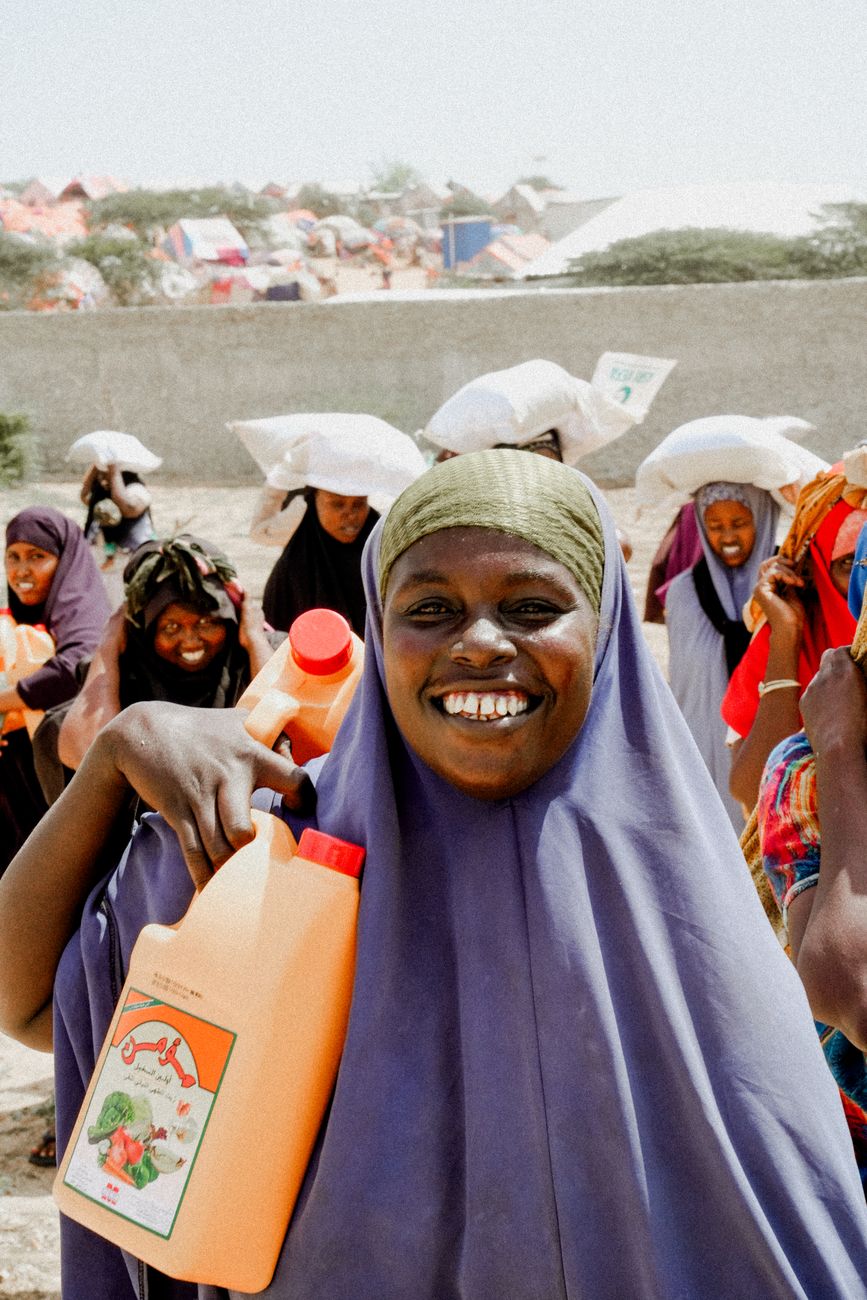
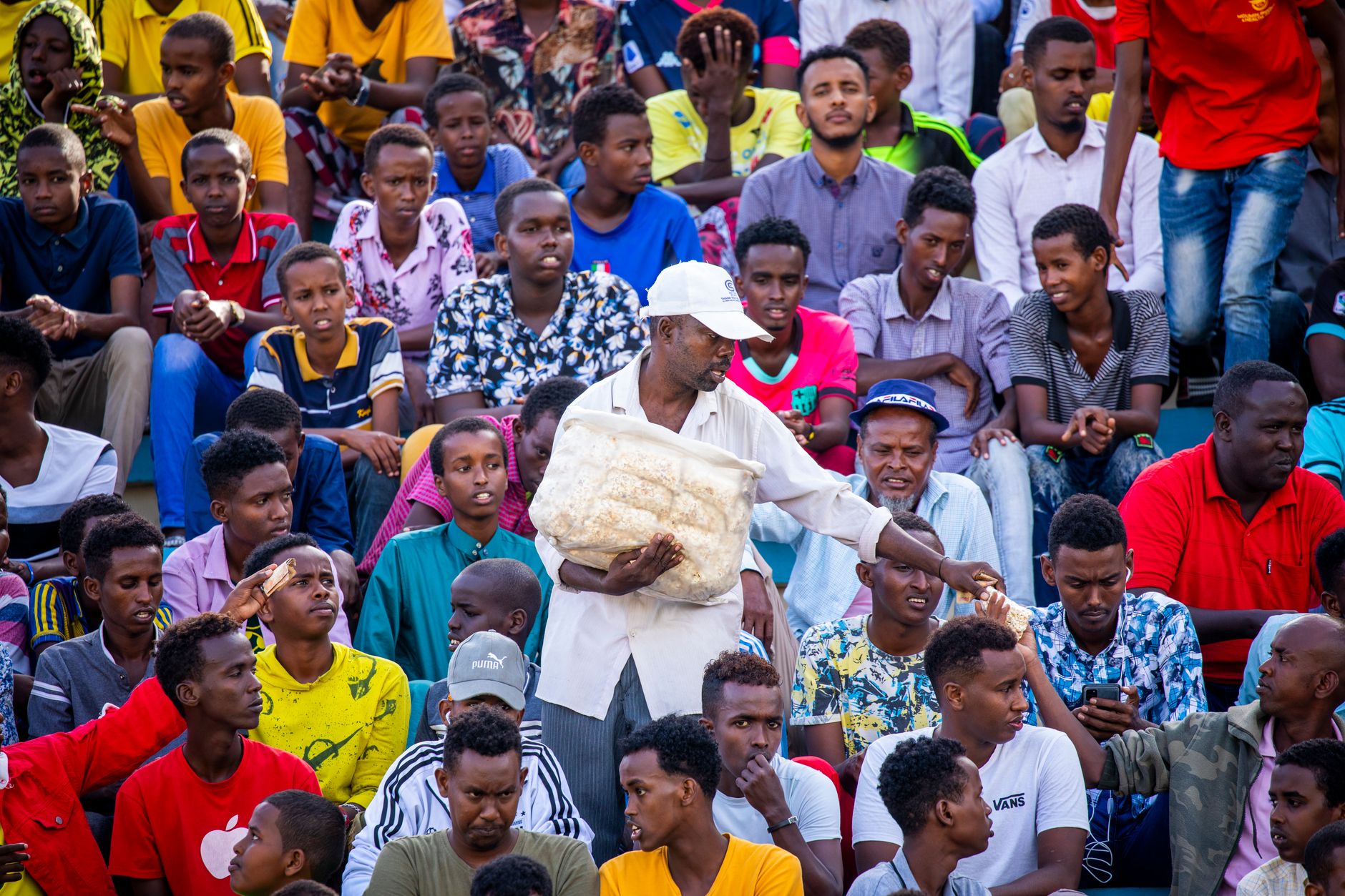
Somalia and Ethiopia face deeper drought and displacement while emergency food assistance is cut back
Aid contraction during climate-linked displacement directly worsens hunger, mobility and disease risk.

Somalia and Ethiopia back. In Africa, food insecurity pressure is no longer theoretical.
That is the point of entry: in Africa, food insecurity pressure is already concrete enough to read as operating reality rather than future risk. Aid contraction during climate-linked displacement directly worsens hunger, mobility and disease risk. This piece should connect a concrete human pressure point to the larger system that is producing it. The useful reading is not just that something happened, but that the decision space around Somalia and Ethiopia is now narrower than it was before.
Aid contraction during climate-linked displacement directly worsens hunger, mobility and disease risk. The next test is whether that shift stays contained or starts changing choices around Somalia and Ethiopia in Africa—from ministries and ports to clinics, courtrooms, warehouses, classrooms, and family budgets. That detail matters because Somalia and Ethiopia is where an abstract development starts becoming a practical constraint for people, operators, or public institutions.
Public-health transmission chain is what connects the local strain to the larger story. The pressure moves through paperwork first, then beds, buses, shelters, court calendars, and city budgets once the policy signal hits the ground. For people inside the system, the difference between rhetoric and reality is measured in waiting time, legal status, shelter capacity, and whether movement becomes more dangerous. The useful reading is not just that something happened, but that the decision space around Somalia and Ethiopia is now narrower than it was before.
Coverage is clustering in Africa. Across that spread, coverage keeps pulling toward omission, escalation, so readers are not just seeing different tone; they are often being handed a different main plot. The perception gap is wide enough that two audiences could walk away thinking the story is about different problems. That detail matters because Somalia and Ethiopia is where an abstract development starts becoming a practical constraint for people, operators, or public institutions.
Food insecurity pressure matters because it tells readers where the abstract shift starts landing in ordinary life. If the signal keeps building, the consequences will show up not just in headlines but in access, waiting time, household budgets, and institutional capacity. The useful reading is not just that something happened, but that the decision space around Somalia and Ethiopia is now narrower than it was before.
The immediate question is whether Somalia and Ethiopia changes on the ground, whether neighbouring actors copy or resist the move, and whether the issue begins appearing in places that were initially quiet. That detail matters because Somalia and Ethiopia is where an abstract development starts becoming a practical constraint for people, operators, or public institutions.
The evidence layer is still uneven, but it is not empty. Current reporting gives readers multi-pattern signal, named actors, while Somalia and Ethiopia, Africa sit closest to the practical consequences. That makes the article less about declaring a finished verdict and more about mapping the operating reality: what is confirmed, where the pressure is landing, and which claims still need stronger proof before they become part of the public record.
The life-systems layer is the reason this belongs in a deeper public file. Public-health transmission chain can move through food insecurity pressure, and Somalia and Ethiopia is one of the places where that movement becomes visible. The useful question is not whether the headline is loud, but whether it changes food, water, energy, health, shelter, movement, work, or public capacity. If the story keeps developing, the consequence will not only be political language; it will be felt through queues, prices, service capacity, travel choices, school calendars, medical risk, energy planning, or household decisions.
The clarity test is simple: strip away slogans, jargon, and partisan reflex, then ask what remains materially true. In this case, public-health transmission chain is the part that can be checked against real-world pressure, and food insecurity pressure is where the effect becomes human rather than abstract. That is the standard for reading the story carefully: not panic, not detachment, but enough understanding to see what is actually being changed.
The regional frame also matters. Coverage is strongest in Africa, but the same facts can carry different meanings depending on whether outlets lead with law, cost, security, humanitarian strain, or domestic politics. Official reassurance in the lead, household or clinic pressure underneath. A public reader needs that distinction because the first frame often decides whether the story is treated as urgent, technical, distant, or personal.
For now, Somalia and Ethiopia is the place to keep watching. If the consequences spread beyond the first announcement, the story will stop looking like a single update and start looking like a new baseline. The useful reading is not just that something happened, but that the decision space around Somalia and Ethiopia is now narrower than it was before.
Company Daily Scan
Track stories like this for your company.
Albis can turn the same global scan into a private daily briefing for your sector, regions, risks, and watchlist.
See how the company scan works →Sources for this article are being documented. Albis is building transparent source tracking for every story.
Get the daily briefing free
News from 7 regions and 16 languages, delivered to your inbox every morning.
Free · Daily · Unsubscribe anytime
🔒 We never share your email