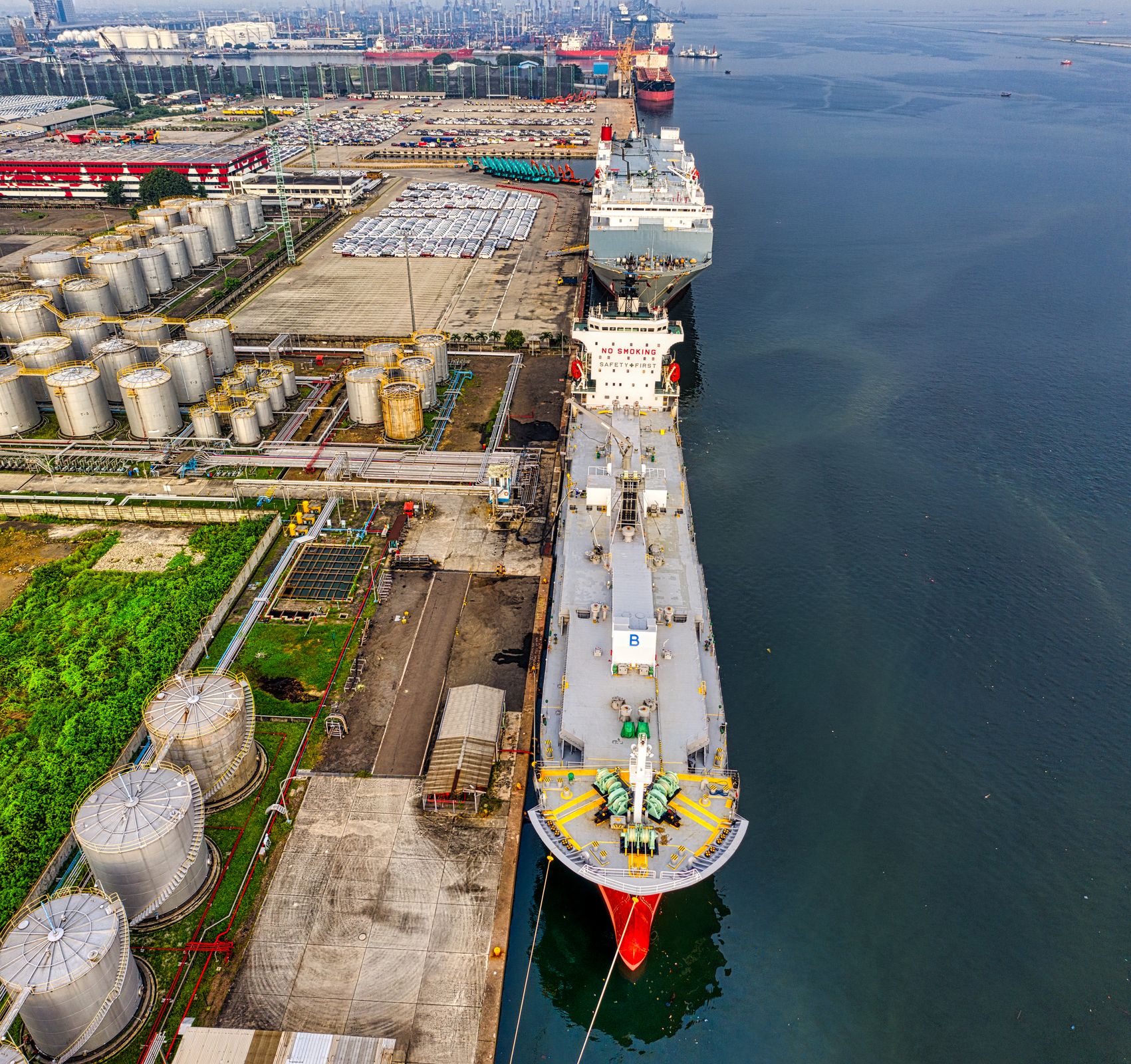
US renews limited waiver allowing some at-sea purchases of sanctioned Russian oil
Even a narrow waiver changes the practical force of sanctions and affects energy trade, war financing, and allied political cohesion.
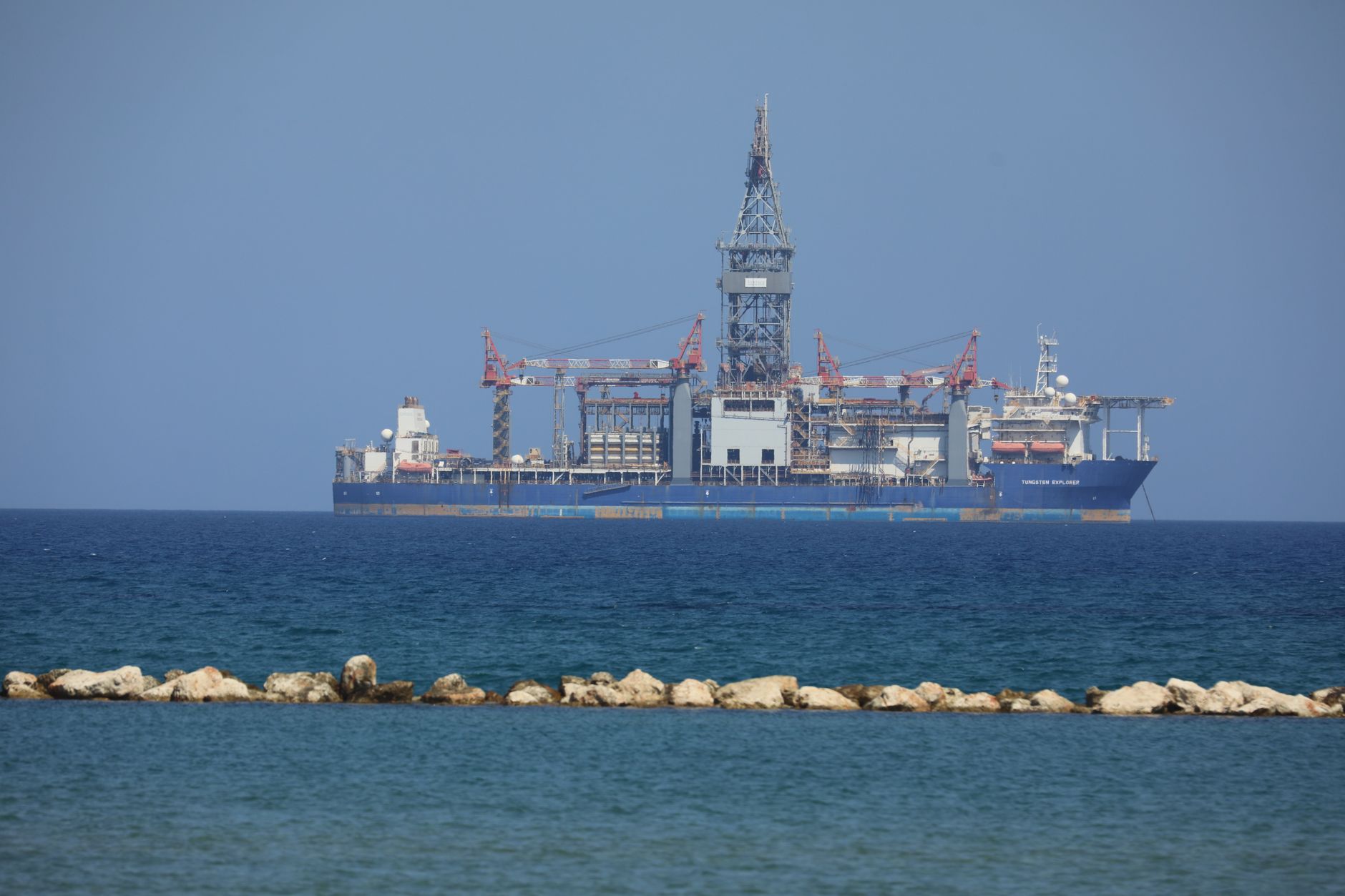
The US Treasury has renewed a narrow waiver allowing some at-sea purchases of sanctioned Russian oil, introducing a limited but meaningful adjustment into a sanctions regime that is often described in much broader, harder lines. The waiver is not a wholesale reversal, and it does not amount to a general rollback of sanctions pressure. But even a tightly scoped exception can matter because sanctions work not only through official principles, but through the operational details that determine what is actually permitted in shipping, trade, and energy settlement.
That is why this development deserves more than a passing mention. In practice, sanctions are never enforced in a perfectly clean binary. They are shaped by waivers, implementation decisions, maritime logistics, timing issues, and political trade-offs. A waiver covering oil already at sea is exactly the kind of technical adjustment that can look minor in headlines but still alter behaviour for traders, insurers, counterparties, and allied governments trying to read Washington’s actual policy direction.
The immediate implication is not that the sanctions regime has collapsed. It is that the US has chosen to create some narrow operational room inside it. That changes how market actors interpret enforcement risk. It can affect whether cargoes move, how counterparties price exposure, and whether governments aligned with Washington perceive flexibility or inconsistency in the broader sanctions strategy. In a conflict-linked energy environment, small implementation changes can have larger symbolic and commercial effects than their formal wording suggests.
There is also a geopolitical layer here. Sanctions are not just financial tools; they are signals to allies, adversaries, and neutral states. A waiver can be read in several ways at once: as practical realism, as technical housekeeping, as a concession to market pressures, or as a sign of uneven enforcement. That is why the perception gap around sanctions stories often matters. Different audiences will not draw the same lesson from the same measure, and that divergence can shape both diplomatic alignment and commercial behaviour.
The energy context makes the issue even more sensitive. This waiver arrives while wider energy stress is already elevated by instability around Iran, Hormuz, and shipping insurance costs. That means the measure will not be interpreted in isolation. It will be read against a larger backdrop in which governments are balancing pressure, price risk, and political cohesion. Even if the waiver is limited, it enters a system where energy availability and sanctions credibility are already under strain.
Coverage patterns reinforce that complexity. Reporting is concentrated in the US, Europe, and global outlets, which makes sense because those are the regions most directly tied to the sanctions framework and its strategic interpretation. But narrower regional attention can also mean the story is understood mainly through elite policy or market lenses, while its second-order effects on trade flows and energy costs receive less public attention elsewhere.
The most important question now is what the waiver signals about implementation going forward. Is it a one-off operational adjustment for cargoes already moving, or an early sign that enforcement flexibility could widen under pressure? Does it reduce friction in the market without changing the broader political line, or does it feed doubts about coherence in sanctions policy? Those are the questions traders, diplomats, and allied governments will be asking immediately.
For readers, the useful takeaway is simple: a limited waiver is still a real policy change. It affects how sanctions are experienced in practice, not just how they are described in press statements. In a system already dealing with war-linked energy strain, even a narrow exception can influence prices, trade behaviour, and the political meaning of enforcement. That is why this measure belongs in the top tier of the current scan rather than in the technical margins.
Add context
Know something useful about this story?
Albis is built for public understanding. If you have a source, lived experience, or a missing angle, you can add context for others.
Share context →Sources for this article are being documented. Albis is building transparent source tracking for every story.
Conversation
What are you seeing?
Add local context, a source, a question, or a perspective we may have missed. You can comment as a guest or create a free account.
Loading conversation…
Get the daily briefing free
News from 7 regions and 16 languages, delivered to your inbox every morning.
Free · Daily · Unsubscribe anytime
🔒 We never share your email