China Warns Floods and Drought Could Strain Food Planning
Chinese authorities are warning of severe floods and drought in 2026, adding climate pressure to an already fragile global food and water outlook.
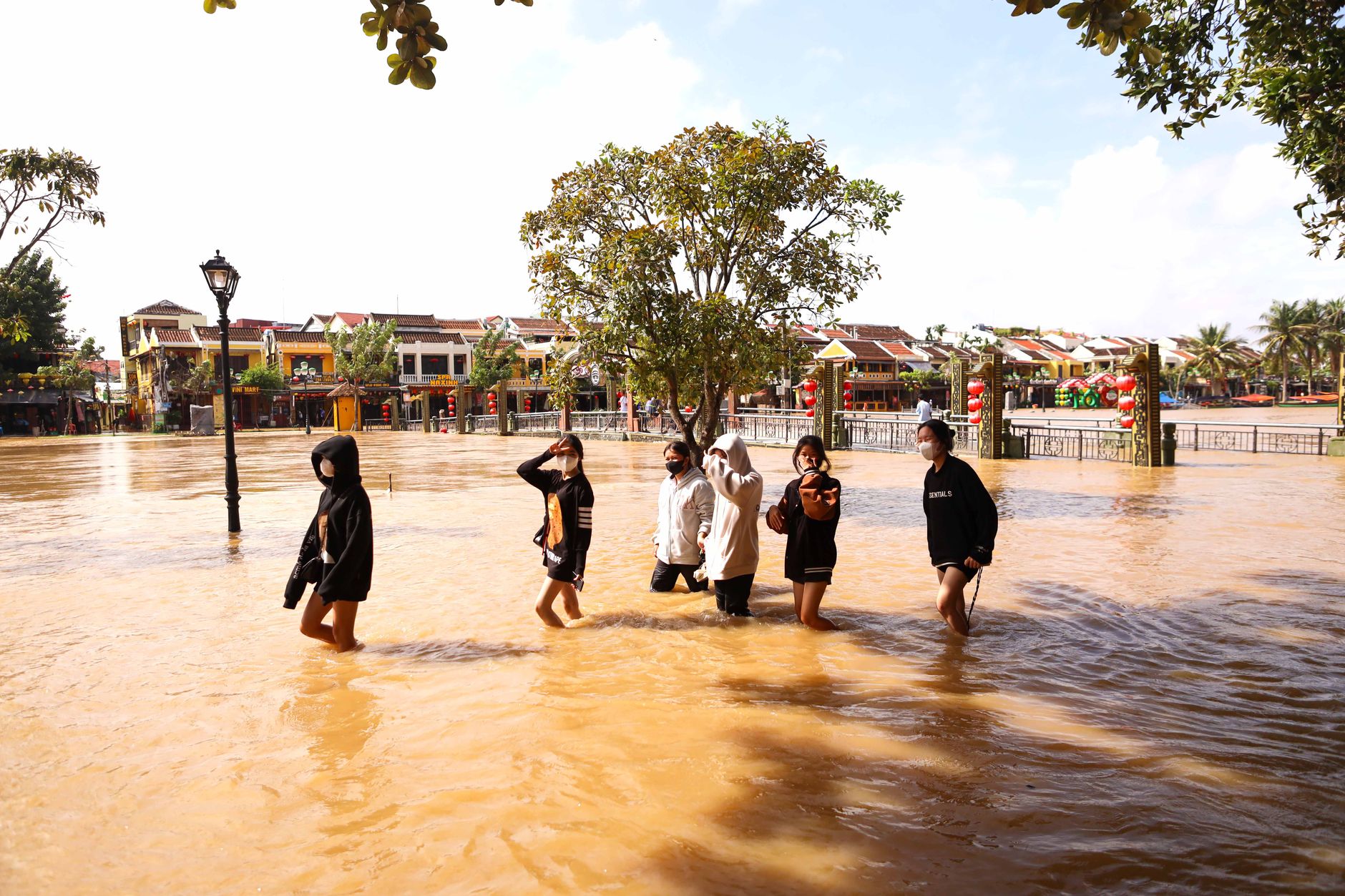
Chinese authorities have warned of severe floods and drought this year, according to official statements and coverage in Asian and U.S. media, adding another source of strain to global food and water systems already under pressure from conflict and trade disruption.
The warning matters because China sits at the center of several linked systems at once. It is a major agricultural producer, a major importer and a large source of industrial demand. Weather stress there does not stay local for long.
Asian coverage has framed the warning as a planning problem for crops, reservoirs and provincial authorities. U.S. reports have treated it more as part of the broader global climate pattern. Both are accurate, but they lead the reader to different places.
In China, the immediate questions are where rain will fall, which rivers will rise and how local governments will protect planting and urban water supply. Outside the region, the focus is more often what prolonged extremes could mean for grain markets, supply chains and inflation.
Chinese officials have issued similar alerts before, but this year’s warning arrives during a period of unusually high sensitivity in food systems. Fertiliser costs are volatile, shipping routes remain exposed and several countries are already managing climate-linked agricultural stress.
Floods and drought can hit the same country in the same season. Heavy rainfall can damage crops, roads and storage in one basin while dry conditions reduce yields and strain water supply elsewhere. That combination makes planning harder than a single hazard.
Agricultural analysts say weather volatility affects food security through timing as much as volume. A flood at planting or harvest can cause outsized losses. A drought during a critical growth phase can reduce output even if total rainfall later appears close to normal.
Chinese coverage has tended to emphasize preparedness, state capacity and the need to protect food production. U.S. reporting places the warning in a larger climate-risk frame, alongside extreme weather elsewhere. One tells a domestic operational story. The other tells a global trend story.
The contrast is visible in whose voices dominate. Chinese reports cite ministries, weather bureaus and local officials. External reports rely more on analysts and global context. That changes the emotional scale of the event. Inside China, it is about fields, dams and city drainage. Outside China, it is another data point in a worsening planetary pattern.
The food implications could extend beyond China’s borders if crop losses affect imports of feed, grains or edible oils. Commodity markets react not only to damage that has happened but to credible warnings of damage that might happen.
Water management is also central. Flood control and drought relief compete for resources, and both require functioning infrastructure. Cities face one kind of risk, rural counties another. Farmers need predictable irrigation and access to inputs. Urban authorities need drainage, emergency response and stable reservoirs.
The timing of the warning gives planners a chance to act, but it also signals that officials see the threat as serious enough to elevate early. That alone can influence planting choices, insurance assumptions and local government budgets.
The story has not yet drawn the same level of global attention as oil or war headlines, even though climate stress can shape food prices for longer. In East Asian coverage, that connection is clearer. Weather is being treated as a core economic and security issue, not as a sidebar to environmental news.
China’s flood and drought outlook will be watched through the main growing season, with provincial forecasts, reservoir management decisions and early crop data likely to determine whether the warning remains precautionary or becomes a major food-market event.
Add context
Know something useful about this story?
Albis is built for public understanding. If you have a source, lived experience, or a missing angle, you can add context for others.
Share context →Sources for this article are being documented. Albis is building transparent source tracking for every story.
Conversation
What are you seeing?
Add local context, a source, a question, or a perspective we may have missed. You can comment as a guest or create a free account.
Loading conversation…
Get the daily briefing free
News from 7 regions and 16 languages, delivered to your inbox every morning.
Free · Daily · Unsubscribe anytime
🔒 We never share your email