Cyclone Vaianu Triggers Evacuations Across New Zealand’s North Island
Authorities ordered evacuations and declared emergencies as Cyclone Vaianu approached New Zealand’s North Island with heavy rain and damaging winds.

Thousands of residents were told to leave parts of New Zealand’s North Island on Saturday as Cyclone Vaianu approached with forecast winds of up to 130 kilometres per hour, coastal flooding and landslide risk.
The storm was expected to make its closest approach on Sunday before passing west of the Chatham Islands on Monday, according to reporting by the Guardian citing New Zealand’s weather forecaster. Emergency declarations were in place in several regions, and local authorities issued evacuation orders in parts of Whakatāne and other exposed coastal areas.
Whakatāne district council told residents in some zones to plan to be away for at least two days. The council warned of storm surge, coastal flooding, landslides and waves of up to 13 metres, according to the Guardian report.
Prime Minister Christopher Luxon urged people to secure property, clear drains and prepare for power cuts. Search results reviewed in the morning scan indicated evacuation orders had also been issued in beachfront parts of Hawke’s Bay, while Auckland faced the risk of flooding if the heaviest rain bands tracked further north.
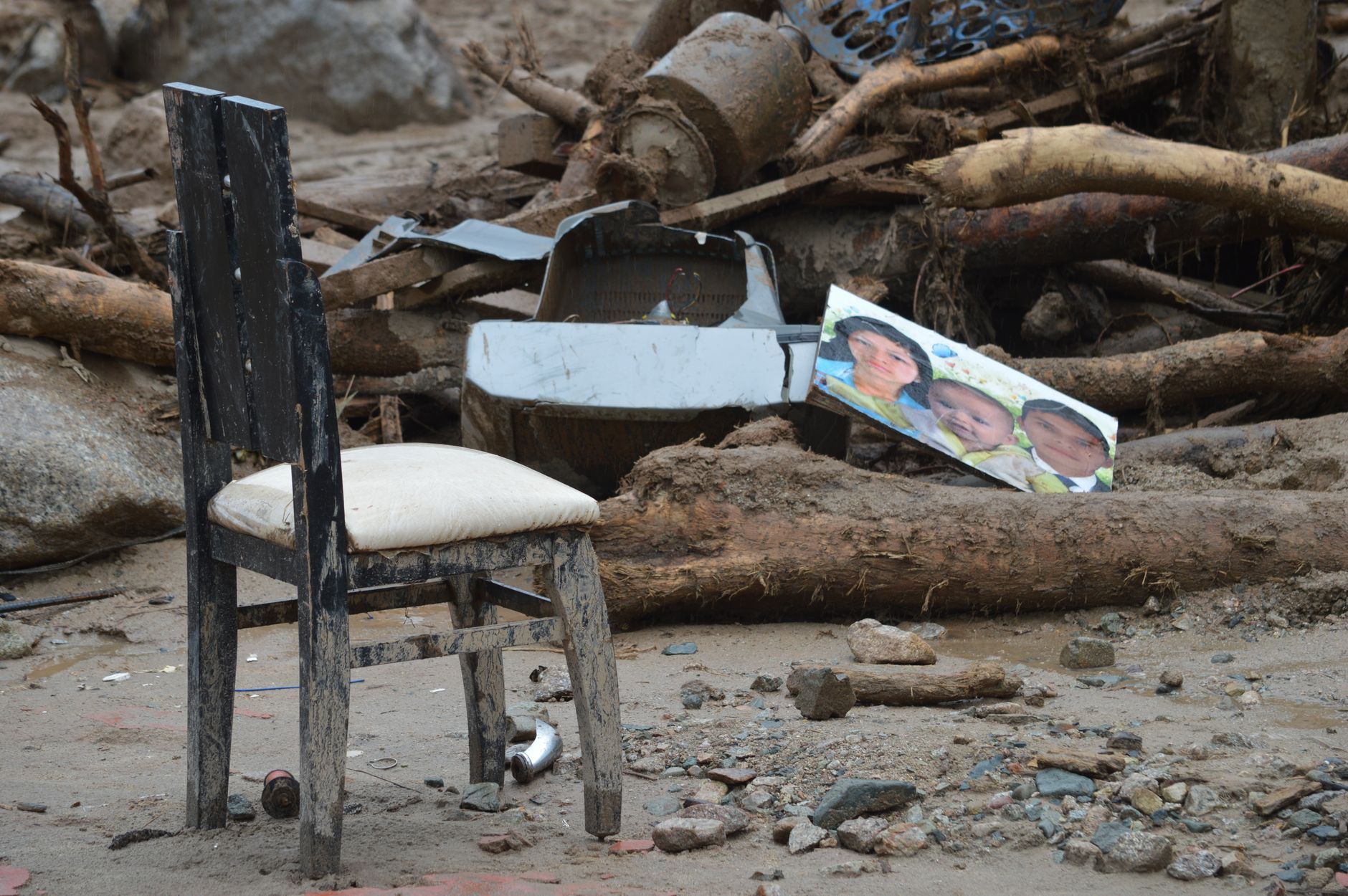
The storm revived memories of Cyclone Gabrielle, which killed 11 people in 2023 and became one of New Zealand’s most destructive natural disasters this century. That memory shapes the response as much as the forecast does. In New Zealand coverage, Vaianu is being treated as a live civil-protection test. Internationally, it still sits lower in the news cycle than war and market headlines.
That difference is common in disaster reporting until infrastructure begins to fail. For residents in low-lying coastal communities, the story is already about roads, homes and whether to leave before dark. For audiences farther away, it appears mainly as weather context unless casualty numbers or major outages rise.
The emergency posture suggests officials want to act earlier than they did in past storms. The scan material flagged Vaianu as the clearest non-geopolitical escalation in the current news cycle because it involves orders on the ground, not just forecasts.
Local authorities have focused on exposed eastern and northern sections of the island where storm surge can combine with saturated ground. That creates a dual hazard: rising water along the coast and slips inland where rain loosens hillsides.
The timing also matters. Weekend evacuations stretch staffing, shelter logistics and transport options, especially in rural districts. Officials have urged residents not to wait for water to rise before moving. Once roads are cut, the same communities can become much harder to reach.
At the time of the latest reports, the main question was not whether Vaianu would hit New Zealand weather systems, but how widely serious impacts would spread. Authorities were expected to update emergency declarations and evacuation orders through Sunday as the storm tracked across the island.
Company Daily Scan
Track stories like this for your company.
Albis can turn the same global scan into a private daily briefing for your sector, regions, risks, and watchlist.
See how the company scan works →Sources for this article are being documented. Albis is building transparent source tracking for every story.
Get the daily briefing free
News from 7 regions and 16 languages, delivered to your inbox every morning.
Free · Daily · Unsubscribe anytime
🔒 We never share your email