Thailand Rewilds Endangered Leopard Sharks in Rare Conservation Gain
Thailand has begun releasing aquarium-bred leopard sharks off Maiton Island in an effort to rebuild a wild population damaged by overfishing and habitat loss.
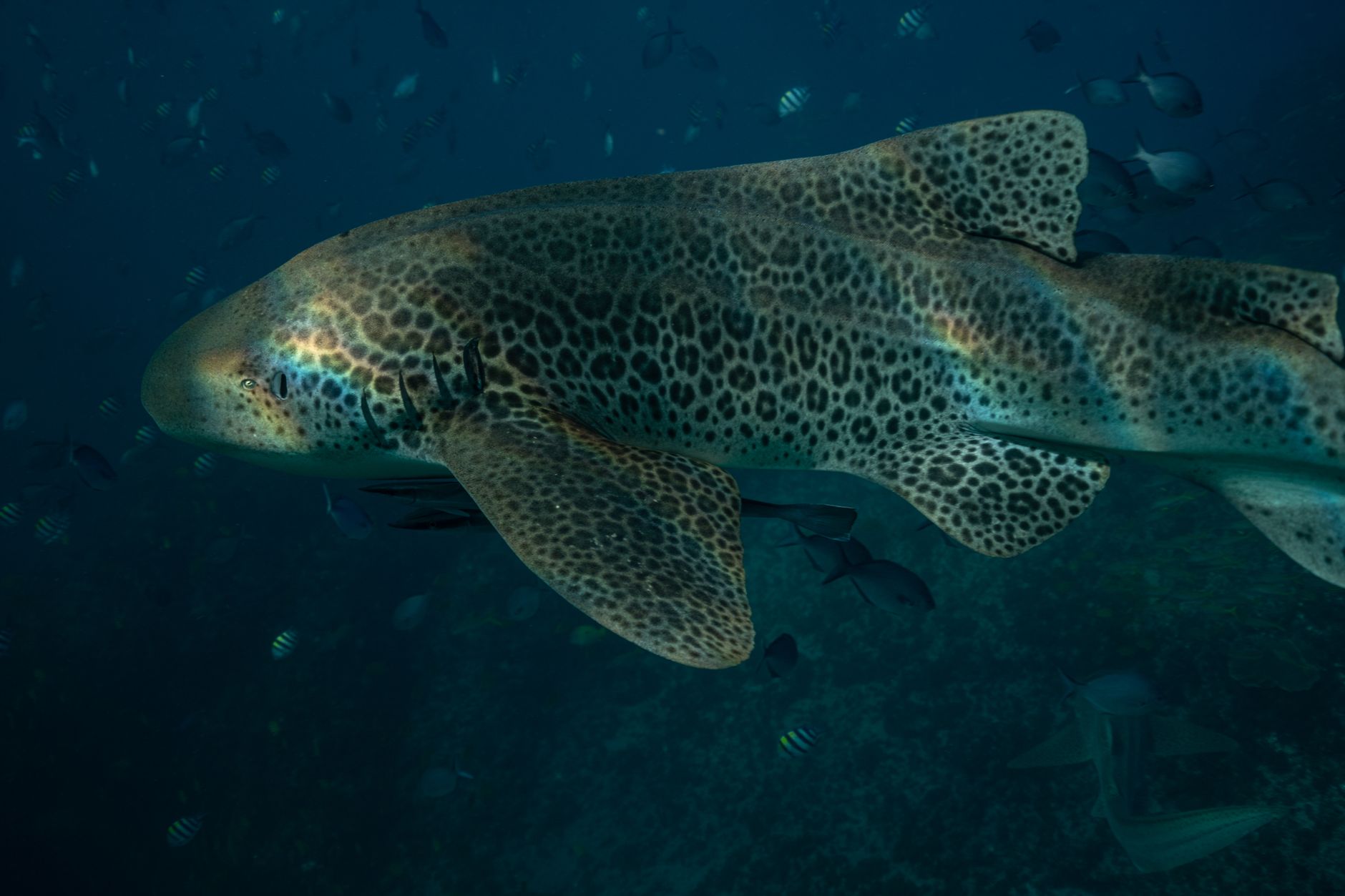
A young Indo-Pacific leopard shark glided into the water off Thailand's Maiton Island in January, marking the country's first attempt to rewild the endangered species, according to Reuters.
The release was small in number but large in meaning. Conservationists have spent years breeding leopard sharks in captivity as wild populations fell because of overfishing, habitat loss and pressure on coral reef ecosystems, Reuters reported.
Thailand's effort stands out because it is trying to move beyond rescue and into restoration. The aim is not only to keep the species alive in tanks, but to rebuild a breeding population in the sea.
Reuters said the project involved aquarium-bred pups being released near southern Thailand as part of a broader conservation push. Scientists and marine groups will track whether the animals survive, adapt and eventually reproduce in the wild.
That timeline matters. Rewilding can look dramatic on day one and still fail later if the habitat is too damaged or fishing pressure remains too high. A shark released to a depleted reef is still entering a depleted reef.
Coverage in Thailand and the wider Asia-Pacific region has treated the project as a practical reef story, according to the April 7 Albis scan. That framing links shark recovery to fisheries, tourism and coastal livelihoods. A healthier reef system supports more than biodiversity. It supports food chains and local income.
In U.S. and European coverage, the same event has tended to appear as an encouraging environmental feature. That is not wrong, but it is more distant. The shark becomes a symbol of conservation success rather than part of a working marine economy.
The distinction is subtle but important. For island and coastal communities, marine restoration is not only about whether a species survives. It is also about whether reefs remain productive and resilient enough to support people living beside them.
Leopard sharks are bottom-dwelling animals that play a role in reef ecosystems. Their decline has been driven by a mix of direct capture and habitat degradation. Rebuilding the species therefore depends on more than breeding programs. It also depends on enforcement, water quality and the condition of nearshore marine habitat.
Thailand has some recent experience balancing those pressures. The country has periodically restricted access to damaged marine sites, promoted restoration work and tried to manage tourism more carefully in sensitive areas. Those policies have had mixed results, but they created the conditions for projects like this to move from lab work into open water.
The story also offers a rare change of register in a scan cycle dominated by war, prices and disrupted systems. Conservation reporting can become ornamental in that context, tucked away as relief at the end of a bulletin. Yet this case is concrete. A species in decline was bred, tagged and released as part of a measured recovery attempt.
There are limits to what can be claimed now. Reuters did not report a recovered population. It reported the beginning of a rewilding effort. Survival rates, habitat quality and breeding outcomes will determine whether the program becomes a template or a footnote.
The regional coverage gap is modest compared with crisis stories, but it still exists. The Middle East, South Asia, Latin America and Africa were largely absent from the frame even though many countries in those regions face similar trade-offs between marine protection and local livelihoods.
The next step is straightforward. Scientists and Thai conservation groups will monitor released sharks around Maiton Island and assess whether more releases are possible. If the animals establish themselves in the wild, Thailand will have more than a good-news conservation story. It will have early evidence that a collapsed marine population can begin to come back.
Company Daily Scan
Track stories like this for your company.
Albis can turn the same global scan into a private daily briefing for your sector, regions, risks, and watchlist.
See how the company scan works →Sources for this article are being documented. Albis is building transparent source tracking for every story.
Get the daily briefing free
News from 7 regions and 16 languages, delivered to your inbox every morning.
Free · Daily · Unsubscribe anytime
🔒 We never share your email