To Fight the Attention Economy, You First Have to Capture Attention
A new documentary premiering at SXSW exposes the attention economy — but 25+ advocacy groups had to coordinate a viral trailer launch to make anyone care.
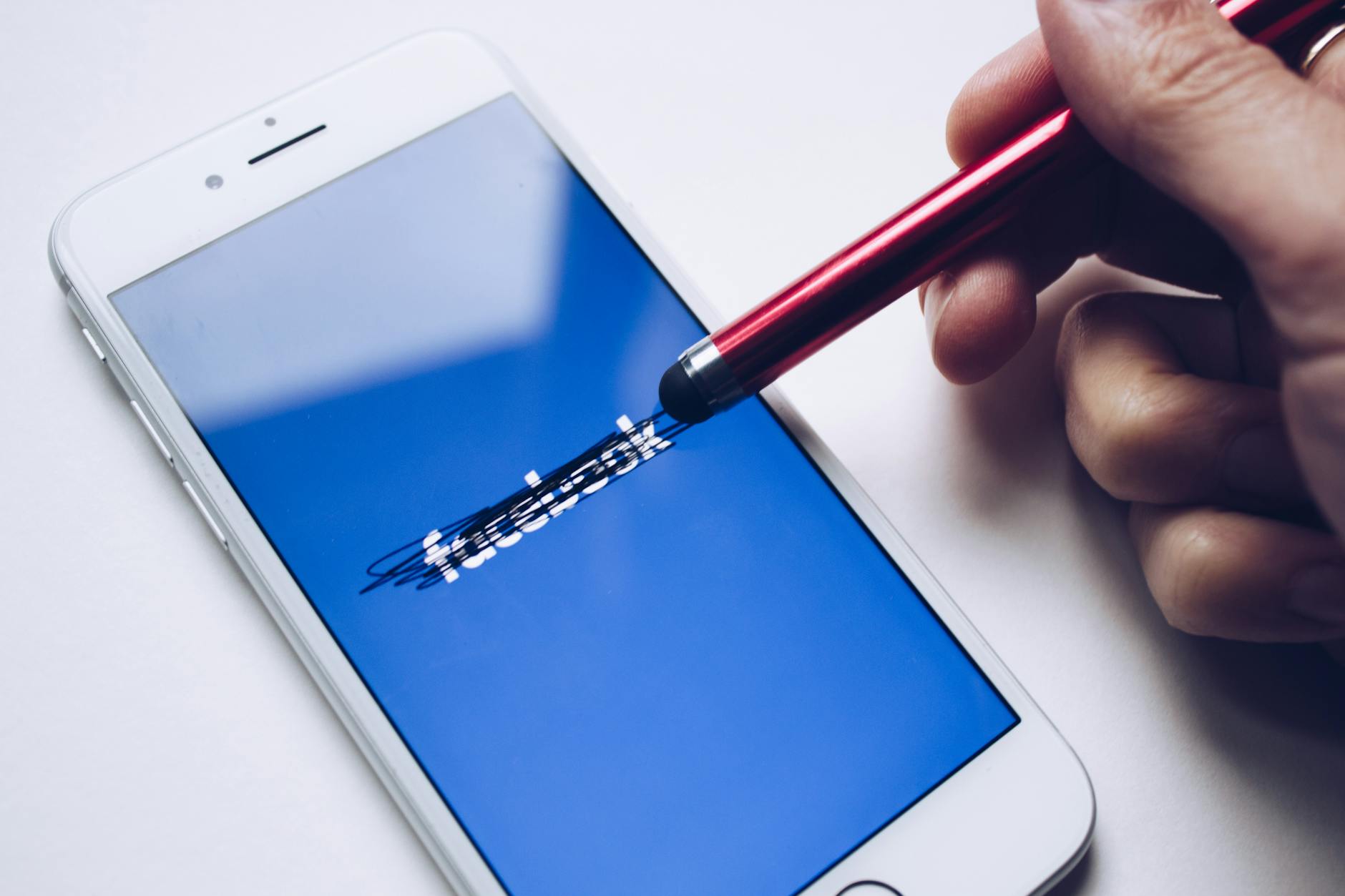
Twenty-five advocacy organizations coordinated a synchronized trailer release this week. They timed it for maximum reach. They used the language of virality. They engineered a moment.
The trailer they launched? A documentary critiquing the exact system they're using to spread it.
That's not hypocrisy. It's the central paradox of fighting the attention economy in 2026.
Your Attention Please premieres this week at SXSW in Austin, Texas. Director Sara Robin set out to make a film about people trying to break unhealthy phone habits. What she ended up documenting was something bigger: how modern technology systems turned human connection into a commodity measured in likes, shares, and followers.And to get anyone to watch it, she had to play the game.
The Irony Isn't Lost on Anyone
The coordinated launch happened March 11. Common Sense Media. Center for Humane Technology. Mothers Against Media Addiction. Smartphone Free Childhood. Scrolling to Death. Twenty-five groups, all posting the same trailer at the same time.
It's a textbook viral launch strategy. The kind marketers dream about.
Sara Robin knows exactly what it looks like. "We have more power than we think," she told CNET in an interview. "There are a lot of different ways to get involved in this, from changing individual habits to changing the culture in your own family and in your community, designing technology differently, getting engaged in these conversations, all the way to pushing for legislative change."
The contradiction is built into the fight itself. You can't ignore the attention economy if you want to change it. You have to understand its tools well enough to use them.
That's what makes this moment different from earlier waves of tech criticism. The people fighting for digital wellbeing aren't rejecting the platforms outright. They're using them strategically, with full awareness of the trade-offs.
When Friendship Became a Number
The documentary traces how social platforms didn't just change communication — they fundamentally rewired social validation.
Friendship used to be private. Affection was emotional. Belonging was felt, not measured.
Now we have metrics for all of it. Followers. Likes. Comments. Views. Shares.
Trisha Prabhu, a digital-safety advocate featured in the film, invented ReThink — an anti-cyberbullying technology that prompts users to pause before sending hateful messages. She's watching AI accelerate the same dynamics that already fuel cyberbullying.
"There's AI exacerbating existing harms, like automating cyberbullying," Prabhu told CNET. "But then I also think there's AI creating completely new harms. There are reports of AI tools encouraging users, including minor users, to commit self-harm."
The film includes the story of a mother whose son died by suicide after relentless online bullying from classmates. It's not abstract. It's not theoretical.
Numbers that started as engagement metrics became proxies for human worth. And when those numbers drop, the consequences are real.
The Timing Matters
The documentary arrives at a moment when lawmakers in the US and abroad are finally debating how social platforms affect youth mental health. Boycotts around AI use are spreading. Researchers are publishing studies on how algorithms shape behavior.
Public awareness around AI has grown faster than it did for social media. Robin says that makes her optimistic. "The systems shaping digital life are built by people," she argues. "Which means they can also be rebuilt."
But awareness doesn't automatically translate into change. The attention economy is global, cross-platform, and extraordinarily profitable. Different regions frame the problem differently — Western coverage emphasizes individual mental health, while regulatory debates in Europe focus on corporate accountability and data rights.
There's no single solution. The film doesn't pretend to offer one.
Instead, it asks a question: What happens when attention — one of the most human parts of our lives — becomes one of the most valuable commodities in the global economy?
The Paradox Is the Point
Here's what the coordinated trailer launch reveals: fighting the attention economy requires capturing attention first.
You can't build a movement around digital wellbeing if nobody sees the message. You can't change platform design if the critique doesn't reach scale. You can't push for legislation if lawmakers aren't hearing from constituents.
The 25 organizations launching this trailer understand that. They're not naive. They know exactly what they're doing.
They're using algorithmic distribution to spread a message about algorithmic harm. They're engineering virality to critique virality. They're playing the game to change the rules.
That tension — between using a system and dismantling it — is the story of tech reform in 2026.
And maybe that's the most honest part of the documentary. It doesn't pretend you can opt out entirely. It doesn't offer a fantasy of disconnection.
It shows the trade-offs. It names the contradictions. And it asks whether we're willing to reclaim something — autonomy, focus, human connection — before the cost of staying plugged in gets even higher.
The film's question isn't rhetorical. It's urgent.
Do you remember the world before smartphones? Most people under 30 don't. They've spent their entire adolescence inside the attention economy, without ever stepping outside it.
For them, this isn't a documentary about what went wrong. It's a blueprint for what comes next.
Sources & Verification
Based on 4 sources from 2 regions
- CNETNorth America
- Film ObsessiveNorth America
- Region FreeInternational
- SXSW OfficialNorth America
Keep Reading
Social Media Is Dying. But Not From Addiction — From Boredom.
Usage peaked in 2022. Posting collapsed. The EU just ordered TikTok to kill infinite scrolling. But the users are already leaving on their own.
Australia Banned Kids From Social Media. The Kids Are Winning.
Two months into the world's first under-16 social media ban, 90% of teens say they never lost access. Six countries are copying the homework anyway.
A 20-Year-Old Is About to Tell a Jury What Instagram Did to Her Brain
The first plaintiff in the landmark social media addiction trial takes the stand. Here's why this case matters for everyone.
Explore Perspectives
Get this delivered free every morning
The daily briefing with perspectives from 7 regions — straight to your inbox.