UN Women's Rights Session Faces Historic Vote Amid Global Legal Backlash
UN women's rights session adopts justice roadmap by historic vote as India removes transgender self-ID rights, UK debates abortion law, and Spain reports deadliest start for gender violence since 2020.
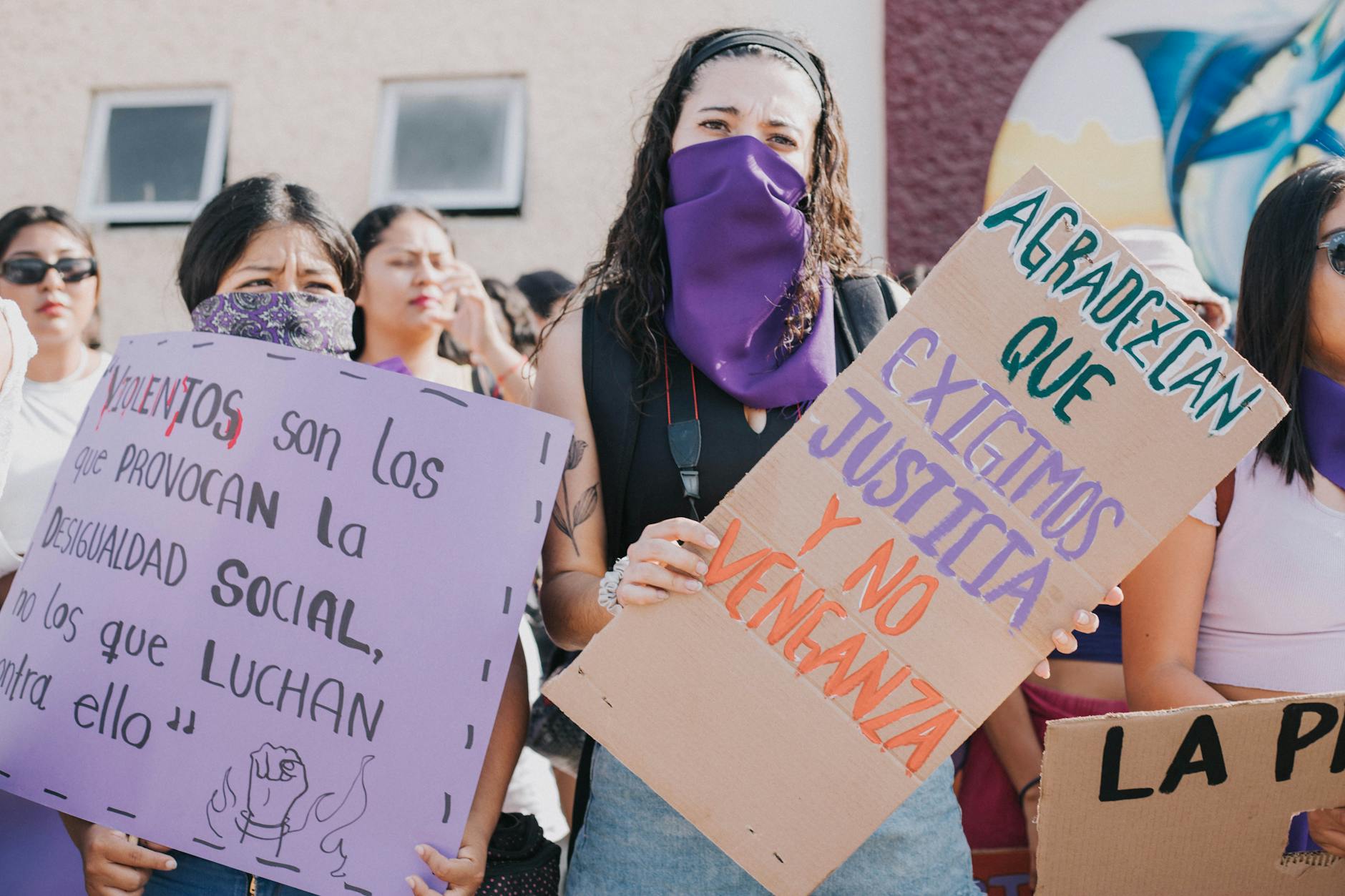
The United Nations Commission on the Status of Women broke 70 years of tradition this month when it adopted its outcome document by vote rather than consensus. The March 10 decision came after the United States objected to language supporting gender equality reforms, marking the first time in the commission's history that member states could not reach unanimous agreement on advancing women's rights.
CSW70 Adopts Gender Justice Roadmap Over U.S. Opposition
The 70th session of the Commission on the Status of Women convened March 9-19 at UN Headquarters in New York under the theme of strengthening access to justice and eliminating discriminatory laws. The commission's agreed conclusions emphasized improving legal protections for women and girls globally. Argentina, Saudi Arabia, and Russia joined the U.S. in proposing objections that would have modified provisions from previous agreements, but these efforts failed to gain sufficient support.
UN Women Executive Director Sima Bahous told delegates that women currently hold only 64 percent of the legal rights afforded to men globally. "When women and girls are denied justice, the damage goes far beyond any single case: it impacts the very fabric of our societies and good governance," Bahous said. "A justice system that fails half the population cannot claim to uphold justice at all."
According to a UN report, 54 percent of surveyed countries have laws that do not define rape based on consent, and 75 percent permit forced marriage of girls. Forty-four percent of countries lack laws guaranteeing equal pay. At current rates, it could take 286 years to eliminate these legal gaps.
India Introduces Bill Removing Transgender Self-Identification Rights
India's parliament introduced the Transgender Persons (Protection of Rights) Amendment Bill on March 13, removing the right to self-perceived gender identity established by a 2014 Supreme Court ruling. The bill proposes that transgender identity be determined through medical certification rather than self-declaration.
The 2026 amendment revises the 2019 Transgender Persons Act, which had incorporated principles from the landmark NALSA v. Union of India judgment. That ruling recognized transgender people as a third gender and affirmed their right to self-identification. LGBT+ groups across India have criticized the new bill as a rollback of constitutional protections.
Union Minister of Social Justice and Empowerment Virendra Kumar introduced the bill in the Lok Sabha. The News Minute reported that activists view the legislation as "nothing but erasure," arguing it undermines decades of progress in transgender rights.
UK House of Lords Debates Abortion Decriminalization This Week
The UK House of Lords is set to vote March 18 on amendments to the Crime and Policing Bill that would remove criminal penalties for women who have abortions. The proposed changes would repeal sections of the 1861 Offences Against the Person Act, which currently makes abortion a criminal offense punishable by life imprisonment.
Labour MP Diana Johnson introduced the decriminalization amendment, which passed the House of Commons last year. The government has offered a free vote in the Lords, with Labour minister Lord Hanson confirming the party will not whip votes on the measure.
Conservative peer Baroness Philippa Stroud has proposed competing amendments that would end telemedicine abortion services introduced during the pandemic. Former Equality and Human Rights Commission chair Kishwer Falkner signed amendments that critics say would restrict reproductive autonomy. Supporters of decriminalization argue the 1861 law is outdated and that countries including Canada, France, and New Zealand treat abortion as a medical rather than criminal matter.
Spain Records Deadliest Start to Year for Gender Violence Since 2020
Spain has recorded 13 femicides in the first two and a half months of 2026, the highest toll for this period since 2020, when 18 women were killed. The deaths represent one woman killed every six days by a current or former partner.
Spanish newspaper Ideal reported that analyses of gender-based killings in 2026 reveal victims are not receiving adequate protection despite risk assessments. The surge follows an increase in domestic violence cases that began in Spain after summer 2025.
Brazil saw its homicide rate drop to 19.2 per 100,000 in 2025 from 21 in 2024, continuing a downward trend since 2019. The decrease meant 3,615 fewer murders, a figure that includes femicides. About half of Brazil's homicides are classified as social conflict, including domestic violence, while 29 percent are crime-related.
Conflict Zones See 87 Percent Rise in Sexual Violence
The UN has recorded an 87 percent increase in conflict-related sexual violence cases over the past two years. The number of women and girls living within 50 kilometers of deadly conflict is at its highest level in decades, with Afghanistan, Haiti, Iran, Myanmar, Palestine, South Sudan, Sudan, Syria, Ukraine, and Yemen identified as areas of particular concern.
Anna, a 20-year-old Ukrainian activist and member of UNICEF's Global Girl Leaders Advisory Group, described the psychological toll on women and girls near conflict zones. "You wake up, check the news, hear another siren, and feel what we call in Ukrainian a 'ком в горлі,' or a lump in the throat," she told IPS News.
In Ukraine, 32 percent of women aged 20-24 and 49 percent aged 25-29 lack access to education, employment, or training, compared to 16.4 percent and 12.2 percent of men in the same age groups. Anna, who was studying abroad when the war began and could not return home, said women are often the first to lose opportunities in conflict and the last to regain them.
Regional Variations in Legal Reform
Equality Now's latest "Words & Deeds" report, titled "Progress and Backlash: Accountability for the Rights of Women and Girls," documents what the organization describes as a global regression in women's rights protections. The report identifies several patterns: budgets for gender equality are being cut, ministries for women's empowerment have been merged or dismantled in several countries, reproductive freedoms have been curtailed, and comprehensive sexuality education is being removed from classrooms.
Yasmeen Hassan, global executive director of Equality Now, wrote that no country currently provides equal legal rights between men and women. The World Bank's Women, Business and the Law 2026 report found that just 4 percent of women live in countries close to full legal equality, and not one of the world's 190 economies has achieved equal economic participation for women.
The UK government published guidance on pay gap and menopause action plans on March 4, ahead of International Women's Day. Equal Pay Day in the U.S. falls on March 26 this year, marking how far into 2026 women must work to earn what men earned in 2025.
The Gambia's Supreme Court is hearing a constitutional challenge to the country's 2015 law banning female genital mutilation. In 2024, parliamentarians rejected a bill to repeal the ban, but the court case could set a precedent by weighing cultural and religious practices against legal protections from gender-based violence.
The Philippines ranked 86th globally in January 2026 for the percentage of women in national parliaments, down from 82nd in December 2022, according to President Ferdinand Marcos Jr. He called himself an ally of women and pledged reforms, though he did not specify what measures would be implemented.
Sources & Verification
Based on 5 sources from 3 regions
- Ms. MagazineInternational
- Inter Press ServiceInternational
- The HinduSouth Asia
- Ideal (Spain)Europe
- Cosmopolitan UKEurope
Keep Reading
Governments Reclassify Gender Violence While Pay Gap Data Shows Persistent Disparities
Governments are elevating gender-based violence to higher legal categories as new workplace data reveals the economic gap between men and women remains wide despite narrowing.
Global Justice Systems Fail Women as Discriminatory Laws Persist in 70% of Countries
Women worldwide have only 64 percent of the legal rights that men possess. No country has achieved full legal equality between women and men. These are the findings of a UN Women report released March 4.
70% of Countries Still Have Laws That Block Women From Equal Justice
Explore Perspectives
Get this delivered free every morning
The daily briefing with perspectives from 7 regions — straight to your inbox.