America Wants to Approve Every AI Chip Sold on Earth — Its Allies Aren't Happy
US draft rules would require government permits for all AI chip exports worldwide, even to allies like the UK and Japan. Here's how the world sees it differently.
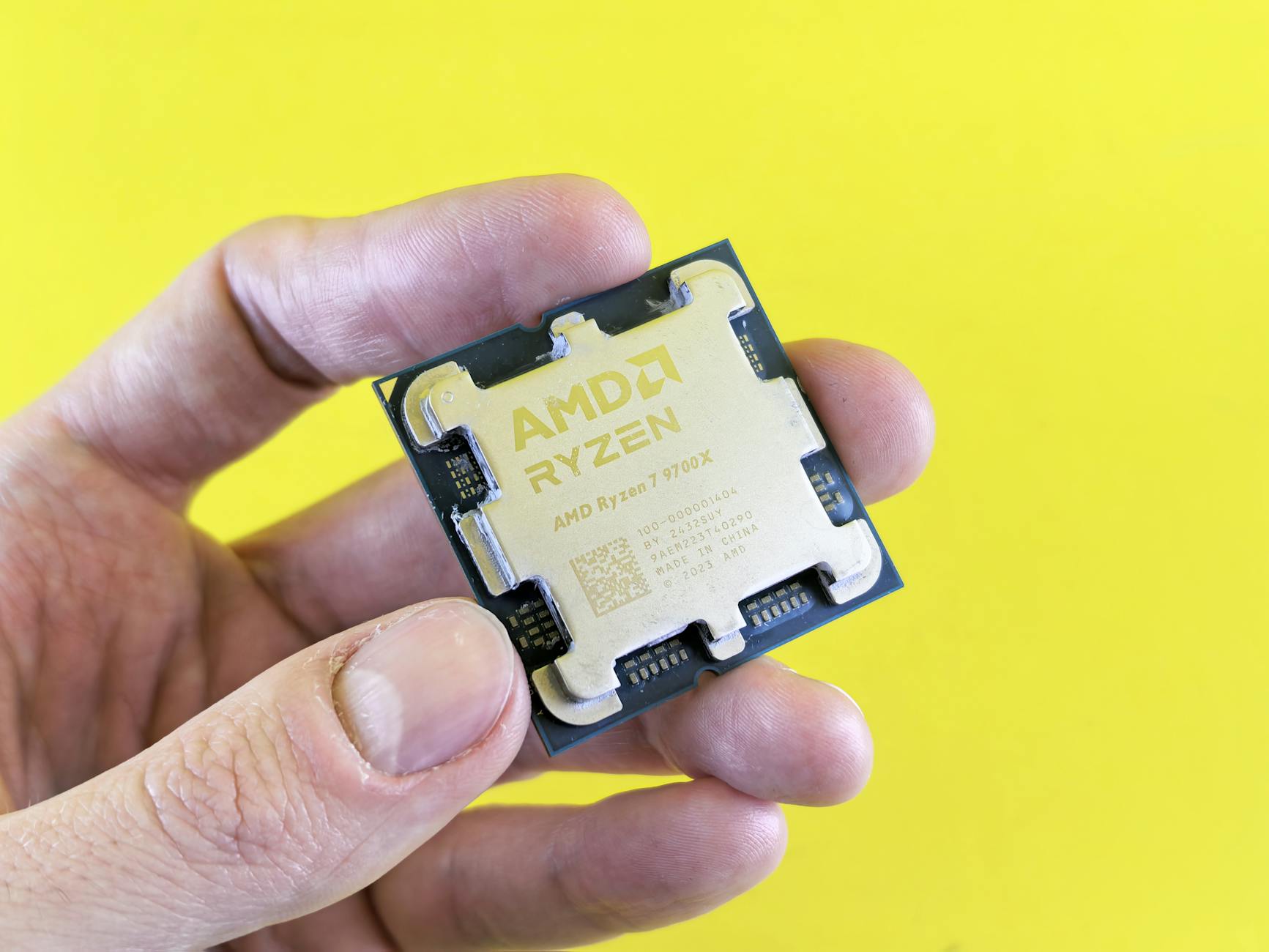
The US Commerce Department wants permission to approve every AI chip sold anywhere on Earth. A 129-page draft rule, first reported on March 5, would require government permits for Nvidia and AMD chip exports to every country — including America's closest allies.
In Washington, it's a national security measure. In Beijing, it's economic warfare. In Brussels and Tokyo, it's something more uncomfortable: proof that your closest ally doesn't trust you.
The Same Rule, Three Different Stories
The Albis Perception Gap Index scored this story at PGI 7.2 — one of the widest gaps of the day. The sharpest divide runs between the US and Asia-Pacific (8.0), followed by the US and Europe (6.5).
Here's why.
American coverage frames the draft as a logical extension of keeping AI technology out of Chinese military hands. TechCrunch reported that "U.S. regulators have allegedly drafted rules that would require U.S. government approval to ship AI chips anywhere outside the U.S." The Commerce Department itself said it's "committed to promoting secure exports of the American tech stack."
The language is revealing. "Promoting secure exports" sounds like facilitation. The actual proposal is the opposite — a licensing regime where Washington decides who gets chips, how many, and under what conditions.
Asia Sees a Power Grab
Asian outlets tell a completely different story. The same policy that America calls "security" looks like imperial control from Tokyo, Seoul, and Taipei.South Korea and Taiwan — home to Samsung and TSMC — have their own national interests in the chip trade. Japan's semiconductor industry is mid-renaissance, backed by heavy government investment. All three countries already enforce chip export controls aligned with US policy.
Being told they now need Washington's permission to buy American chips puts them in the same queue as countries the US considers adversaries. That's not a bureaucratic detail. It's a diplomatic statement.
According to a CSIS analysis, "countries like the Netherlands, Germany, South Korea, Japan, and Taiwan continue to control key chokepoints in the AI and semiconductor value chain." These aren't bystanders. They're essential partners being treated like potential threats.
Europe's Uncomfortable Reality
Europe's reaction sits somewhere between alarm and resignation. The continent doesn't make its own AI chips. It imports them. That makes any US export control regime an existential question for European tech ambitions.
EU Perspectives put it bluntly: "As long as Europe continues to build the car but rent the engine — i.e., relies on imported silicon — export controls will continue to govern Europe's ability to build an AI-based economy."
Executive Vice-President for Tech Sovereignty Henna Virkkunen has acknowledged that Europe's planned AI gigafactories will purchase chips "from outside the EU because we don't have our own production yet."
So when Washington says every chip export needs a permit, Europe hears: your AI future depends on American approval.
The Tiered System
The draft rules aren't a flat ban. They create a tiered review system based on shipment size.
Orders up to 1,000 GB300 GPUs would face streamlined review with exemption opportunities. Larger orders would require more scrutiny. Shipments above 200,000 GPUs — the kind needed for major AI data centers — would require the recipient country's government to make security commitments and invest in US AI infrastructure.
According to Reuters, "installations of up to 200,000 chips could also require visits from U.S. export control officials." That means American government inspectors inside foreign data centers.
The Commerce Department insists this isn't a return to Biden's AI Diffusion Rule, which it called "burdensome, overreaching, and disastrous" before rescinding it last May. But the new proposal goes further than Biden ever did — extending controls to allies that Biden explicitly exempted.
Follow the Money
The PGI's highest-scoring dimension was cui bono (8.5) — who benefits from each narrative.
American coverage frames the rules as protecting national security. But the requirement that foreign buyers invest in US AI infrastructure reveals a second motive: using chip access as economic leverage.
Asian coverage highlights the competitive threat. If every chip order needs Washington's blessing, American companies get a head start. Foreign competitors face delays, uncertainty, and potential denial.
European coverage focuses on sovereignty. A continent trying to build independent AI capacity just discovered its supply chain runs through the US Commerce Department.
Each region's framing perfectly serves its own interests. And each region's blind spots are exactly where the other regions' concerns live.
What Comes Next
The draft is still circulating. Industry comment periods and a final rule aren't expected until mid-2026. Nvidia fell 1.9% and AMD dropped 2.3% on the news — a sign that even American companies aren't sure this helps them.
The question isn't whether the US should control AI chip exports. Every country involved agrees that keeping advanced AI out of the wrong hands matters.
The question is who decides what "wrong hands" means. Right now, Washington is saying: we do. For everyone. Everywhere.
Whether allies accept that — or start building alternatives — will shape the AI industry for a generation.
This story was scored by the Albis Perception Gap Index — measuring how differently the world frames the same events. See today's most divided stories →
Sources & Verification
Based on 4 sources from 3 regions
- TechCrunchNorth America
- WinBuzzerInternational
- ReutersInternational
- EU PerspectivesEurope
Keep Reading
America Wants to Control Every AI Chip on Earth. The Rest of the World Heard Something Else.
The US is drafting rules to approve or deny every major AI chip shipment worldwide. Washington calls it national security. Beijing calls it economic coercion. Both are reading the same policy document.
China's Iran War Rebuke: 'Voice of Reason' or 'Opportunistic Meddling'?
Wang Yi called the Iran war a conflict that 'should never have happened.' Chinese media hailed a peacemaker. American outlets saw a power play. The same speech, read two completely different ways.
China's Taiwan Drills: 'Reunification Exercise' or 'Invasion Rehearsal'? It Depends Where You Read the News
The same military drills around Taiwan are described as a legitimate sovereignty action in Beijing and an invasion rehearsal in Washington. The PGI score of 7.2 reveals one of the sharpest perception gaps in the world right now.
Explore Perspectives
Get this delivered free every morning
The daily briefing with perspectives from 7 regions — straight to your inbox.