The US Has 1,362 Measles Cases in 2026. Most of the World Has No Idea.
The US measles outbreak hit 1,362 cases across 31 states by March 12, 2026 — and 5.87 billion people have never heard about it.
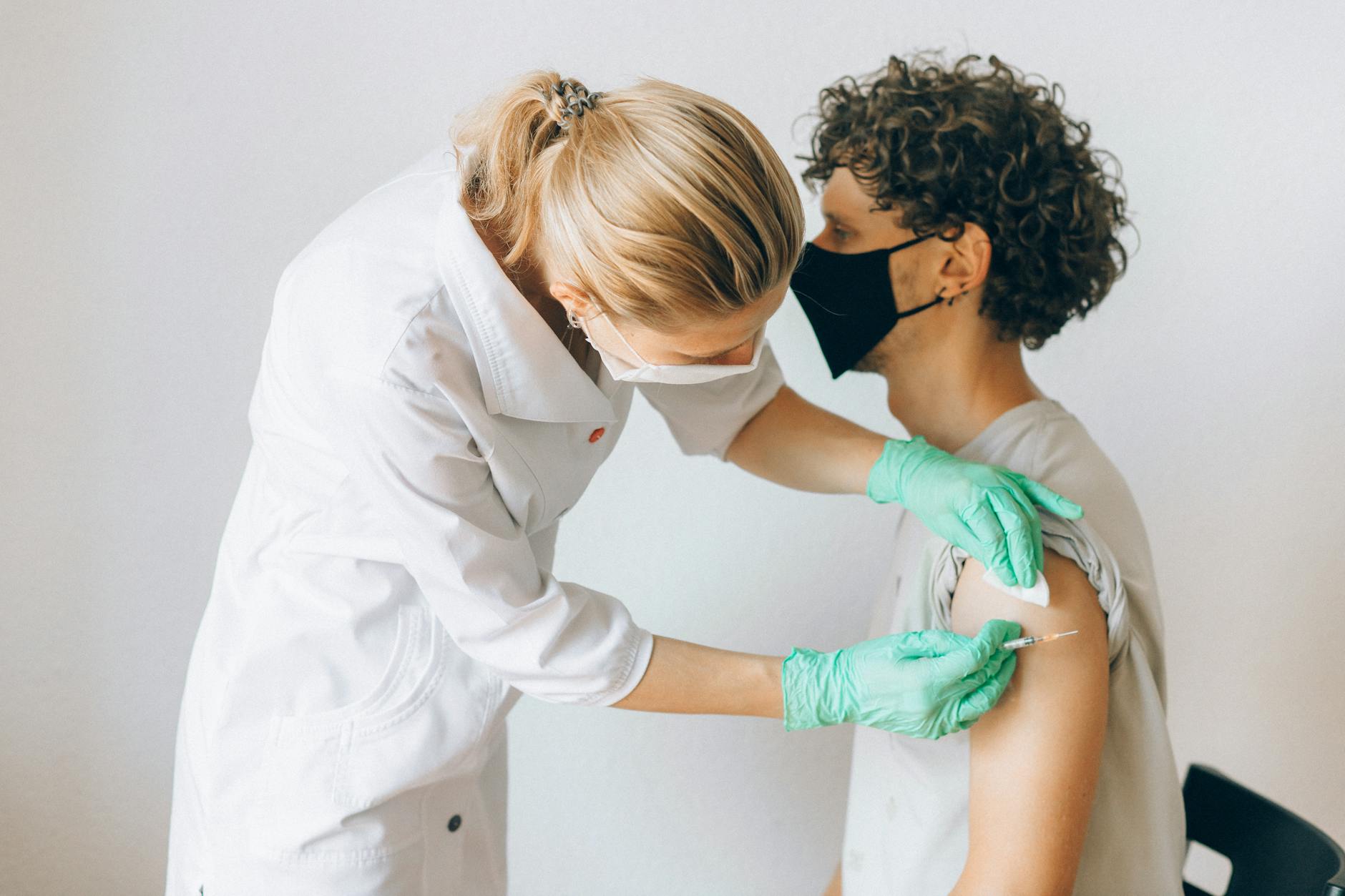
The United States recorded 1,362 confirmed measles cases across 31 states by March 12, 2026. That's more cases in ten weeks than the country saw in any full year between 2001 and 2024. And 5.87 billion people — 94% of the world's population — have no idea it's happening.
Albis's Global Attention Index scores this story a 7.4 out of 10 for invisibility. Only US media is covering it. Europe, the Middle East, Asia-Pacific, South Asia, Africa, and Latin America are completely blind to a public health crisis that could reshape global disease control.
A Disease That Was Supposed to Be Gone
The US was declared measles-free in 2000. That meant no continuous transmission for 12 months — a milestone that took decades of vaccination campaigns to achieve. It's about to be reversed.
The Pan American Health Organization will review the US elimination status in November 2026. But the BMJ reports the decision could come as early as April 13, if PAHO determines the 2025 and 2026 outbreaks are linked by the same viral strain spreading domestically.
The numbers make the case hard to argue. In 2025, the CDC recorded 2,281 cases and 49 outbreaks — triple the 2024 total of 16 outbreaks. Three people died. This year's pace is faster. The country hit 1,000 cases by late February, a milestone that took until August in 2025.
South Carolina Is Ground Zero
One state drives the majority of infections. South Carolina has reported roughly 990 cases since fall 2025, with 919 of those in unvaccinated people. The CDC's modeling highlights how low community immunity and connections between neighboring towns let the virus rip through populations that thought the disease belonged to history.
But it's not just one state. Thirty-one jurisdictions have confirmed cases — from Alaska to Florida, California to Vermont. Washington state saw 26 cases in the first two months of 2026, more than double all of 2025.
The Vaccination Gap
Here's the core problem: measles needs 95% vaccination coverage to maintain herd immunity. It's one of the most contagious viruses known — one infected person can spread it to 12 to 18 others. When coverage drops even slightly, outbreaks follow.
Coverage has been dropping. COVID-19 disrupted routine childhood immunization worldwide, but in the US, the decline has been amplified by rising vaccine exemptions and eroding public trust.
HHS Secretary Robert F. Kennedy Jr. fired all 17 members of the Advisory Committee on Immunization Practices and replaced them with vaccine skeptics, according to the Los Angeles Times. The CDC no longer recommends hepatitis B vaccine for all newborns. Last August, HHS cut funding for 22 mRNA vaccine development projects. Former CDC officials who resigned over the agency's politicization say Kennedy "supercharged" anti-vaccine sentiment that was already inflamed by COVID-era misinformation.
About 94% of confirmed US measles cases in 2026 are in unvaccinated people or those with unknown vaccination status. Five percent have been hospitalized. No deaths so far this year — but in 2025, two children and one adult died. All three were unvaccinated.
Why the World Should Care
This isn't just an American problem. Measles crosses borders. WHO reported over 552,000 suspected cases across 179 countries in 2025, with nearly 45% confirmed. Over 200,000 people in Europe and Central Asia fell ill over three years. Both the US and Mexico are on track to lose their measles-free status simultaneously.
When the world's largest economy — and one of its busiest travel hubs — loses control of a vaccine-preventable disease, the risk radiates outward. Nine measles cases in the US this year were already traced to international visitors. Every unvaccinated traveler becomes a potential vector.
The 95% herd immunity threshold isn't abstract. When communities in the US fall below it, they don't just endanger themselves. They create reservoirs where the virus persists, ready to hitch a ride on a plane to anywhere.
What Happens Next
The April 13 PAHO review could mark a turning point. If the US loses its measles-free certification — a status it's held since 2000 — it would be the starkest symbol yet of a public health system in retreat. The implications ripple into global confidence in vaccine programs, international travel policy, and the credibility of American health institutions abroad.
The MMR vaccine offers up to 97% protection for life after two doses. The science hasn't changed. The virus hasn't mutated. This outbreak is, as University of Georgia epidemiologist Amy Winter told Scientific American, "100 percent a reflection of the recent declines in vaccination rates."
A disease the US eliminated 26 years ago is back. And 5.87 billion people don't know it.
Earlier today, Albis's Global Attention Index also flagged China's lowest GDP target since 1991 — another story the world isn't seeing. Read it here.
Sources & Verification
Based on 4 sources from 3 regions
- CDCNorth America
- Scientific AmericanNorth America
- The BMJEurope
- PAHO/WHOInternational
Keep Reading
America's measles comeback, explained
The US had nearly wiped out measles. Now it's back with nearly 1,000 cases in two months. Here's how elimination status works, why vaccination rates matter, and what happens if the virus takes hold again.
China Just Set Its Lowest Growth Target Since 1991 — and Most of the World Missed It
China cut its GDP target to 4.5-5% at the Two Sessions, the lowest since 1991. Here's why 6 billion people should care.
55 Million People Are About to Run Out of Food. You Probably Haven't Heard.
West and Central Africa face the worst hunger crisis in a decade this summer — 55 million people at crisis levels or worse. The US just cut their food aid. Almost nobody outside Africa and Europe is covering it.
Explore Perspectives
Get this delivered free every morning
The daily briefing with perspectives from 7 regions — straight to your inbox.