The World's Biggest Obesity Drug Just Became a Pill. Most of the World Still Can't Get It.
The FDA approved the first GLP-1 pill for weight loss. It works — 13.6% average weight loss. The catch: 1 billion obese adults, mostly in low-income countries, are priced out.
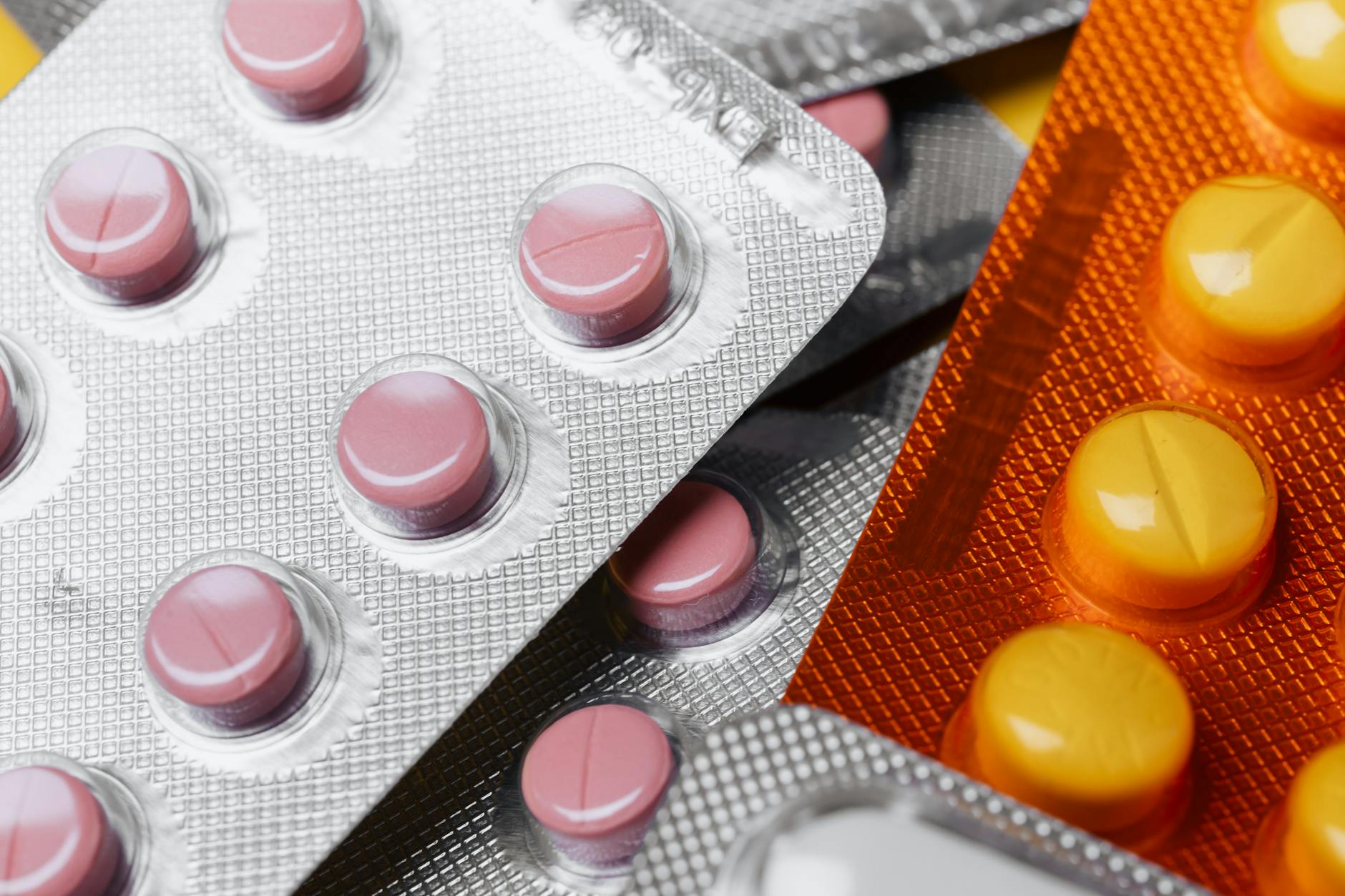
The pill that could reshape how humans manage obesity just got FDA approval — and for the billion people who need it most, it might as well be on the moon.
Novo Nordisk's Wegovy pill (semaglutide 25 mg) became the first oral GLP-1 receptor agonist approved for weight loss this week. The OASIS 4 Phase III trial showed patients lost an average of 13.6% of their body weight over 64 weeks — and those who stayed on the drug hit 16.6%. For context, that's roughly what the injectable version delivers. No needle required.
This is a real breakthrough. Getting GLP-1 drugs to work orally is pharmacologically tricky — the gut usually chews them apart before they're absorbed. Novo Nordisk solved it with a high-dose 25 mg tablet (versus 2.4 mg in the injection) taken on a strict morning routine: empty stomach, small sip of water, nothing else for 30 minutes. Tedious, but it works.
Why This Matters Beyond the Headline
More than 1 billion adults worldwide are now classified as obese. That number has tripled since 1975. By 2035, projections suggest over half the global adult population will be overweight. The countries where obesity is growing fastest aren't the US or Europe — they're South Asia, sub-Saharan Africa, and Latin America, where urban food environments are shifting rapidly toward cheap, calorie-dense processed food.
That's where this story breaks in two.
In the US, the pill form opens new doors. It removes needle anxiety (a real barrier for many patients). It could reach the roughly 40% of Americans who say they'd try GLP-1 therapy but won't inject. And the White House struck a deal with Novo Nordisk to cap Medicare copays at $50 per month — meaningful for 65 million Americans on the program.
Elsewhere, the situation looks different. Without insurance, the injectable Wegovy already costs $1,300–1,400 monthly in the US. A pill version won't be much cheaper. The Lancet Global Health noted bluntly this week that "current prices could place substantial pressure on health system budgets in low-income and middle-income countries, where obesity prevalence is growing most rapidly." That's a polite way of saying: the places that need this most can't afford it.
The Race Behind the Race
There's also a competition story running parallel to the access story.
Structure Therapeutics isn't waiting for Novo Nordisk to own this market. Their experimental pill, aleniglipron, reported Phase 2 data this week: 16% body weight loss at 44 weeks, beating Eli Lilly's oral candidate orforglipron (which hit 11% at 72 weeks). Lilly's pill is expected to get US approval within weeks.
Three major pharma companies are now sprinting toward what could be a $150 billion obesity drug market by 2035, according to Clarivate's Drugs to Watch 2026 report. The race is largely about which pill is most effective, most convenient, and — eventually — cheapest.
That last word is the one everyone is waiting on.
The Lancet flagged that semaglutide's patent expiry will eventually open the door to generics. That's what happened with HIV antiretrovirals — once voluntary licensing deals unlocked generic production, access in low-income countries transformed within a decade. Obesity drugs may follow the same path. But "may" and "eventually" are doing a lot of work in that sentence.
What the WHO Is Doing About It
The World Health Organization published GLP-1 guidelines earlier this year and announced plans to build a prioritization framework — essentially, a system for figuring out who should get GLP-1 treatment first when supply and health systems can't cover everyone.
That's a reasonable response to an impossible problem. It also signals that the gap is real enough to require official management.
Thirteen US states currently cover GLP-1 drugs for weight loss through Medicaid. That number reflects how politically complex and budget-straining coverage decisions are even in a wealthy country. In Nigeria, where 22% of adults are now classified as overweight or obese and public health spending is roughly $20 per person per year, the math doesn't exist.
The Actual Question
A pill form is genuinely easier to access than an injection — in theory. No cold storage chain required. No needle supplies. No clinical setup. In low-resource settings, pills routinely reach patients that injectables can't.
But only if the price allows it.
The conversation about GLP-1 drugs has been dominated by their effects — and they are striking. A 13.6% average weight loss in a controlled trial translates to real reductions in cardiovascular risk, prediabetes reversal (over 70% of trial participants with prediabetes normalised their blood glucose), and the downstream costs of obesity-linked conditions.
What happens next depends on a decision no trial can answer: who decides which countries get access, at what price, and on what timeline?
The obesity crisis is global. The drug is here. The distribution plan isn't.
Albis tracks global health stories through multiple regional lenses. Follow the health topic for ongoing coverage, or explore how different countries are approaching the obesity epidemic at Albis Perspectives.
Sources & Verification
Based on 5 sources from 2 regions
- AJMCNorth America
- The Lancet Global HealthInternational
- STAT NewsNorth America
- Health Policy WatchInternational
- PharmExecNorth America
Keep Reading
We've Had an Approved Alzheimer's Drug for Two Years. We Just Found Out How It Actually Works.
Scientists finally cracked how lecanemab clears brain plaques — it's not the antibody itself, it's one specific part called the Fc fragment. The find could fix the drug's biggest flaw.
Two Cheap Drugs Extended Mouse Lifespan by 70%. But Only If You're Male.
UC Berkeley combined oxytocin and an Alk5 inhibitor in elderly mice. Males lived 73% longer. Females got nothing. What that means for longevity science.
The US Government Just Bet $144 Million That Aging Is a Disease You Can Treat
ARPA-H's PROSPR program funds seven teams to test anti-aging drugs in humans — including rapamycin, semaglutide, and HIV meds.
Explore Perspectives
Get this delivered free every morning
The daily briefing with perspectives from 7 regions — straight to your inbox.