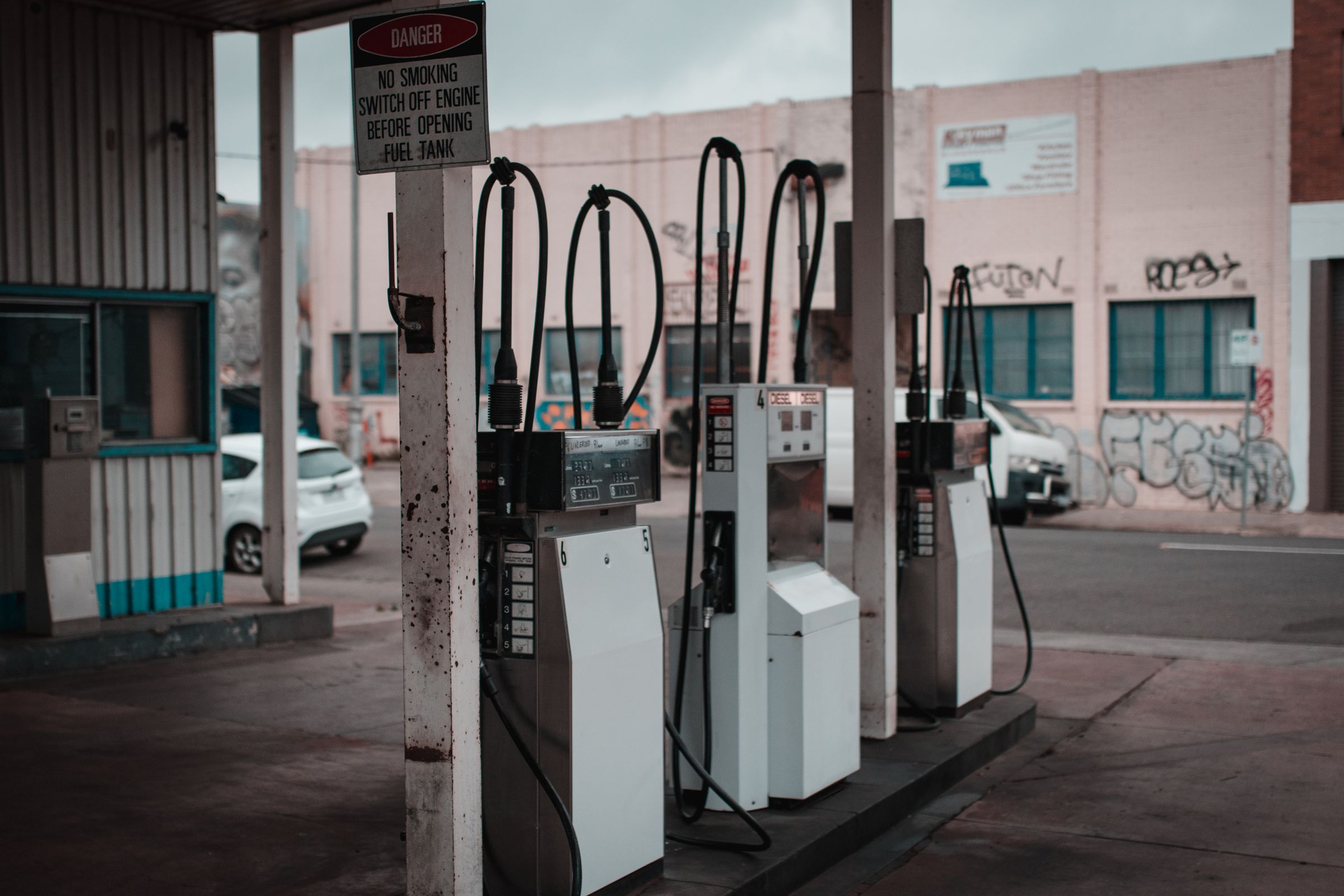
Africa's Fuel Crisis Deepens as Iran War Chokes Supply Lines
Zimbabwe is diluting petrol, Ethiopia subsidising fuel at unsustainable rates, and Kenya's pump prices have doubled — 1.4 billion Africans face cascading energy costs.

Zimbabwe's energy regulator authorised a 15% ethanol blend in petrol on March 29 — up from the standard 10% — to stretch dwindling fuel stocks, according to the Zimbabwe Energy Regulatory Authority. The move came as the country's strategic fuel reserves dropped below seven days of supply for the first time since 2019.
Across the continent, the Iran war's closure of the Strait of Hormuz has created a fuel crisis hitting 1.4 billion people in nations that import most or all of their petroleum products.
Country by Country
Kenya: Pump prices in Nairobi hit 243 Kenyan shillings ($1.87) per litre on April 1, up from 177 shillings in February, according to the Energy and Petroleum Regulatory Authority. The 37% increase in six weeks has triggered protests in Mombasa and Kisumu, where matatu (minibus) operators blocked roads on March 30 demanding government price intervention. Ethiopia: The government increased its fuel subsidy to 42 billion birr ($720 million) per month on March 28, according to the Ministry of Finance. The subsidy, which covers the gap between international and domestic fuel prices, is projected to consume 18% of the federal budget if sustained through June, up from 6% before the Iran war.Ethiopian Finance Minister Ahmed Shide told parliament the subsidy was "unsustainable beyond 90 days at current oil prices" but that removing it would "cause immediate social instability."
Tanzania: President Samia Suluhu Hassan imposed a fuel price cap on March 25, fixing diesel at 3,200 Tanzanian shillings ($1.23) per litre. Fuel importers told Reuters they were selling at a loss under the cap and warned that supplies would dry up within weeks if prices remained frozen. Nigeria: Africa's largest oil producer is paradoxically among the hardest hit. Nigeria exports crude but imports 90% of its refined fuel due to insufficient refinery capacity. The Dangote Refinery in Lagos, which began operations in January 2025, is operating at 55% capacity — below the 80% target — due to crude feedstock disruptions linked to the Hormuz closure, according to company filings.Petrol prices in Lagos rose to 1,100 naira ($0.67) per litre on April 1, up 45% since February. The Nigerian Labour Congress announced a 48-hour general strike starting April 7 unless the government implements price controls.
The Shipping Route Problem
Africa's fuel vulnerability stems from geography. Approximately 40% of sub-Saharan Africa's refined fuel imports transit the Strait of Hormuz or are sourced from Middle Eastern refineries, according to the International Energy Agency's 2025 Africa Energy Outlook.
With the strait effectively closed since March 18, tankers are rerouting around the Cape of Good Hope, adding 10-14 days and $2-4 million per voyage to delivery costs, according to shipping data from Clarksons Research.
"The longer routing means fewer deliveries per month with the same number of tankers," said Michelle Wiese Bockmann, a shipping analyst at Lloyd's List. "African nations are at the back of the queue because they have smaller order volumes and less purchasing power than European or Asian buyers."
Food and Transport Cascade
Rising fuel costs are amplifying food price inflation across the continent. The World Food Programme reported on March 31 that transport costs for food aid in East Africa had risen 34% since the Hormuz closure.
In Kenya, the price of a 2-kilogram bag of maize flour — a dietary staple — rose from 130 to 178 shillings between February and April, according to the Kenya National Bureau of Statistics. Diesel-powered grain mills and transport trucks pass fuel costs directly to consumers.
"This is a classic transmission chain," said Torero Cullen, chief economist at the UN Food and Agriculture Organization. "Oil prices hit transport, transport hits food processing, food processing hits retail, and the poorest households absorb the entire chain."
Responses and Limits
The African Union called an emergency energy summit for April 12 in Addis Ababa. The agenda includes proposals for a continental strategic petroleum reserve and coordinated bulk purchasing agreements.
South Africa, which has the continent's largest refinery capacity, offered to increase fuel exports to neighbouring states on March 27. But South Africa's own refineries are running at 72% capacity due to maintenance backlogs and crude supply constraints, limiting how much it can share.
The International Monetary Fund approved emergency balance-of-payments support for Kenya ($500 million) and Ethiopia ($350 million) on April 1, specifically citing "exogenous energy price shocks" as justification.
Those disbursements will cover weeks, not months. If Brent crude remains above $100 per barrel — it closed at $109.20 on April 2 — African fuel-importing nations face a fiscal and social crisis with no clear end point.
Add context
Know something useful about this story?
Albis is built for public understanding. If you have a source, lived experience, or a missing angle, you can add context for others.
Share context →Sources for this article are being documented. Albis is building transparent source tracking for every story.
Conversation
What are you seeing?
Add local context, a source, a question, or a perspective we may have missed. You can comment as a guest or create a free account.
Loading conversation…
Get the daily briefing free
News from 7 regions and 16 languages, delivered to your inbox every morning.
Free · Daily · Unsubscribe anytime
🔒 We never share your email