Africa's Fuel Stress Is Now Hitting Flights and Tax Policy
The latest African fuel-stress update is not just another pump-price story. Nigerian airlines are threatening shutdown while Kenya has cut fuel VAT to cushion the blow.
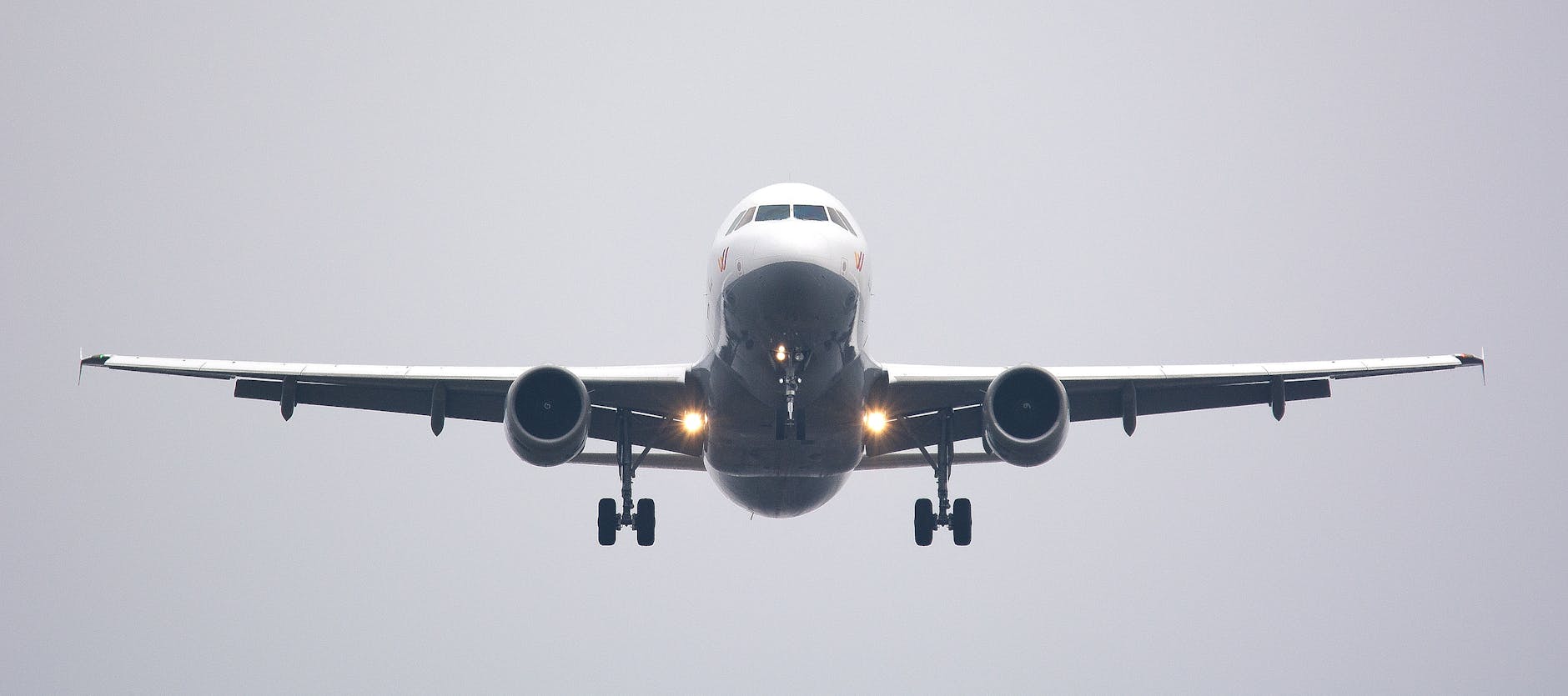
Africa's fuel stress is moving beyond household pain and into transport disruption and tax policy. Nigerian airlines say they may suspend operations over jet-fuel costs, while Kenya has cut fuel VAT to soften the blow for consumers. That makes this a systems update, not just another fuel-price story.
The strongest energy stories are often the ones far from the tanker map.
That is the case here. The latest scan's African fuel item is not simply a repeat of Kenya's retail-price jump. It adds two distinct layers: aviation systems under pressure in Nigeria, and active fiscal cushioning in Kenya.
Those are meaningful state changes.
Albis already tracked the household layer in Kenya Fuel Prices Show How the Gulf Shock Reaches Households and the wider inflation chain in Oil Shock Is Becoming a Household Inflation Story. This update broadens the picture. The issue is no longer only what people pay at the pump. It is how fuel stress starts bending transport systems and forcing policy intervention.
Reuters reported that Nigerian airlines warned they could suspend all flight operations from April 20 unless jet-fuel prices come down. Reuters also reported that Kenya raised retail fuel prices but cut VAT from 16 percent to 13 percent to cushion consumers. Those are different kinds of signals, but they belong to the same story.
One shows operational strain. The other shows fiscal response.
Together they reveal how an external energy shock spreads through vulnerable systems. In Nigeria, the first visible stress point is air transport. In Kenya, the government has already moved from observation to intervention. That matters because once states start trimming taxes to offset imported fuel pain, the crisis is no longer abstract. It is competing with budget space.
This is exactly the kind of story that should not be buried under business pages. Fuel shocks hit households, food distribution and public services quickly in import-dependent economies. Aviation is only one visible edge of that pressure. The same cost surge can move into bus fares, delivery routes, farming inputs and market prices.
That is why the scan scored this as the top GAI story of the cycle. The attention gap is large. African outlets have stronger reasons to frame the issue through lived system stress. Outside the region, the same developments are easier to treat as secondary spillover from a bigger geopolitical story.
But this is the bigger story for the people living with it.
There is also a policy lesson in Kenya's VAT cut. Governments facing fuel stress usually have three bad options: pass the costs through, subsidise them, or try some partial cushion that still leaves everyone unhappy. Kenya's move shows the transition from passive exposure to active mitigation. That is a meaningful threshold.
It also raises the next question. How long can that mitigation be sustained if the wider shock lasts?
This is where the humanitarian and systems lens matters. Higher fuel costs are not only an economics issue. They change mobility, access and affordability. When flights are threatened and fuel taxes are trimmed, the story has already moved into state capacity and daily life.
Title honesty matters here. This is not a fresh breaking article about a single dramatic fuel move. It is a consequence and continuity story about what changed in the latest phase.
What changed is that fuel stress is now visibly hitting African aviation while governments begin using tax policy to cushion the blow. What remains unresolved is whether these responses are enough to stop wider transport and food-system strain. What to watch next is whether more carriers cut routes, whether fares rise sharply and whether other governments start copying Kenya's fiscal response.
An oil shock becomes a life-systems story when people cannot move, goods cost more to move and governments start paying to slow the damage. Parts of Africa are already at that point.
Company Daily Scan
Track stories like this for your company.
Albis can turn the same global scan into a private daily briefing for your sector, regions, risks, and watchlist.
See how the company scan works →Sources for this article are being documented. Albis is building transparent source tracking for every story.
Conversation
What are you seeing?
Add local context, a source, a question, or a perspective we may have missed. You can comment as a guest or create a free account.
Loading conversation…
Get the daily briefing free
News from 7 regions and 16 languages, delivered to your inbox every morning.
Free · Daily · Unsubscribe anytime
🔒 We never share your email

