China’s Lower Pork Tariffs Bring Relief to Spain, Not Certainty to Europe
China’s final ruling lowered tariffs on EU pork imports, easing pressure on Spanish exporters while keeping a broader EU-China trade dispute alive.
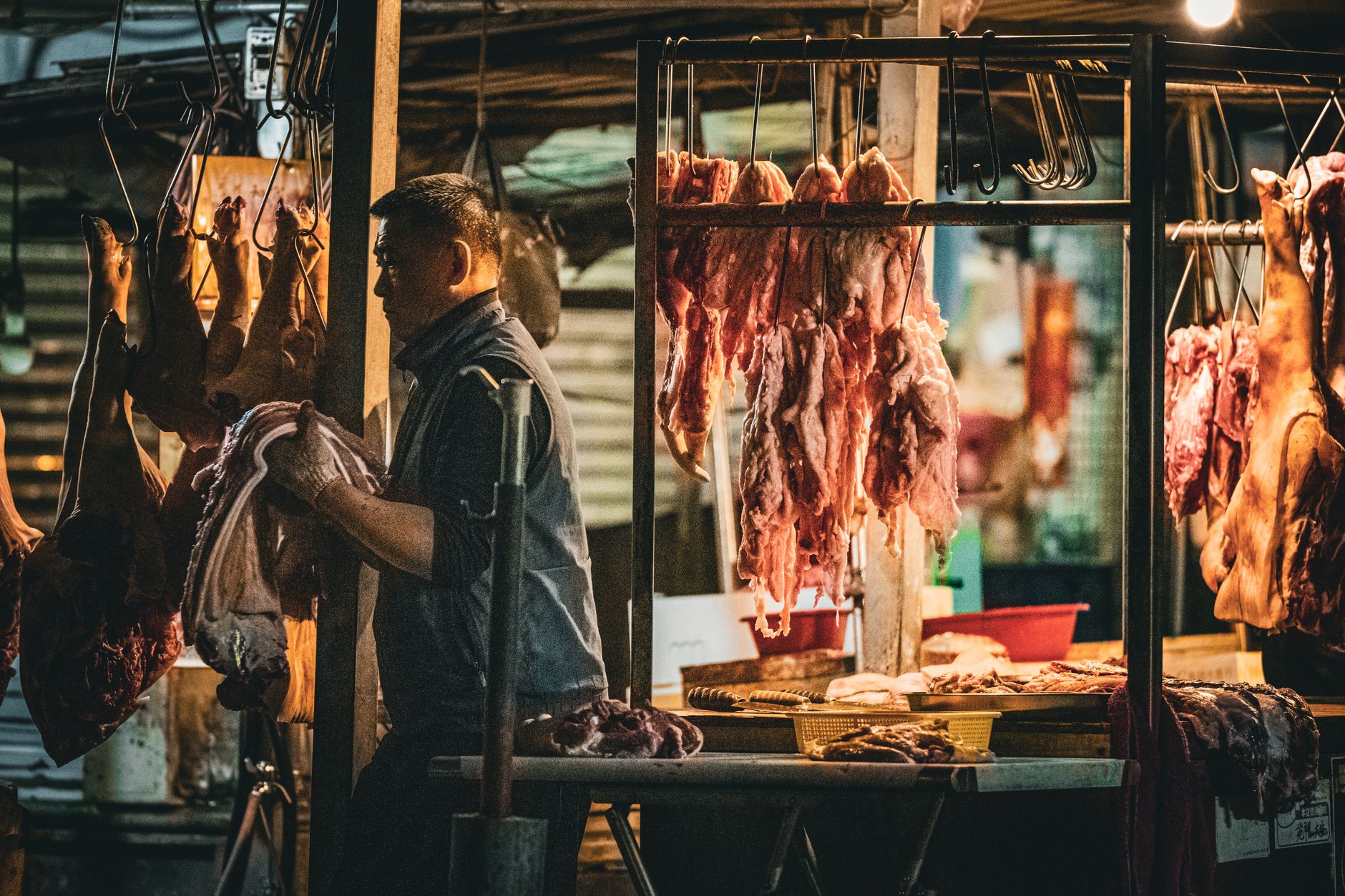
China remains the main non-EU destination for Spanish pork, with exports worth more than 1.097 billion euros in 2024, according to Spain’s agriculture ministry.
That is why Beijing’s final decision to reduce tariffs on European Union pork imports counts as more than a technical trade adjustment for Spain’s meat industry. Scan data from April 11 identified the move as a quiet but real trade shift that has drawn much more attention in Europe and sector media than in broader English-language coverage.
Spain’s agriculture ministry said tariffs imposed by China on European pork took effect on Sept. 10 and ranged from 15.6% to 20% for Spanish exporters, reaching 62.4% in some cases across the European Union. The ministry said it had met pork-sector representatives to review the economic impact and told companies the government would support those affected.
The ministry also tried to calm the market. It said the sector had acted with collaboration and transparency and expressed confidence that the tariffs would be lifted as soon as possible. That is a different tone from market reporting in late 2025, when the dispute was widely read as retaliation for the EU’s duties on Chinese electric vehicles.
The April 11 scan described the Chinese move as underseen rather than insignificant. In Brussels and Madrid, it is a sector story with direct effects on processors, exporters and farm income. In Chinese trade reporting, it has been handled more as a policy adjustment inside a broader state-managed dispute. Outside the directly affected regions, it has barely traveled.
That mismatch matters because pork is not a symbolic export for Spain. The ministry said Spain is the world’s third-largest pork producer after China and the United States and the largest in the European Union, with annual output of more than 4.9 million tonnes in 2024. It said China alone accounted for 11.2% of Spain’s national pork production by value.
A lower tariff reduces immediate pressure, but it does not settle the larger trade relationship. The scan package for April 11 said the perception gap around this story is lower than around the Iran and Lebanon files because there is less dispute over the facts. The gap lies in importance. European coverage treats the ruling as a meaningful signal for agricultural livelihoods. Wider international coverage tends to treat it as a side note in a larger EU-China contest.
That broader contest is still alive. The deep-investigation brief said Chinese and Spanish trade reporting had carried the story much more intensely than English general news, which often folded it into a wider commodity or tariff roundup. That split changes the way the event is understood. In general news, it looks like a modest easing measure. In the sector itself, it is a question of margins, plant throughput and where exporters redirect volume if China changes course again.
Spain’s ministry also used the meeting to push a second message: diversification. It highlighted the opening of Australia to heat-treated pork as a response to a longstanding industry request. That gives exporters another outlet, but not one large enough to make China irrelevant.
The domestic stakes are clear in Spain. The ministry said the pork industry is central to production, investment, innovation and regional employment. It also linked the discussion to consumer protection, traceability and sustainability reforms already under way in the sector.
For the rest of Europe, the ruling is a reminder that food trade can become a pressure valve in disputes that start somewhere else. Brussels fought Beijing over electric vehicles. Spanish pork exporters were among the companies counting the costs.
The next marker will be whether Beijing leaves the lower tariff structure in place long enough for contracts and shipping patterns to adjust. If that happens, the ruling may be remembered as a de-escalation in a narrow but important part of the EU-China trade fight. If tariffs rise again, the relief offered this week will look more like a pause than a settlement.
Company Daily Scan
Track stories like this for your company.
Albis can turn the same global scan into a private daily briefing for your sector, regions, risks, and watchlist.
See how the company scan works →Sources for this article are being documented. Albis is building transparent source tracking for every story.
Get the daily briefing free
News from 7 regions and 16 languages, delivered to your inbox every morning.
Free · Daily · Unsubscribe anytime
🔒 We never share your email