Fertilizer at $800 a Ton. Spring Planting Can't Wait.
Urea prices have doubled since the Iran war began, and the spring planting window in Asia and Africa closes in two weeks.
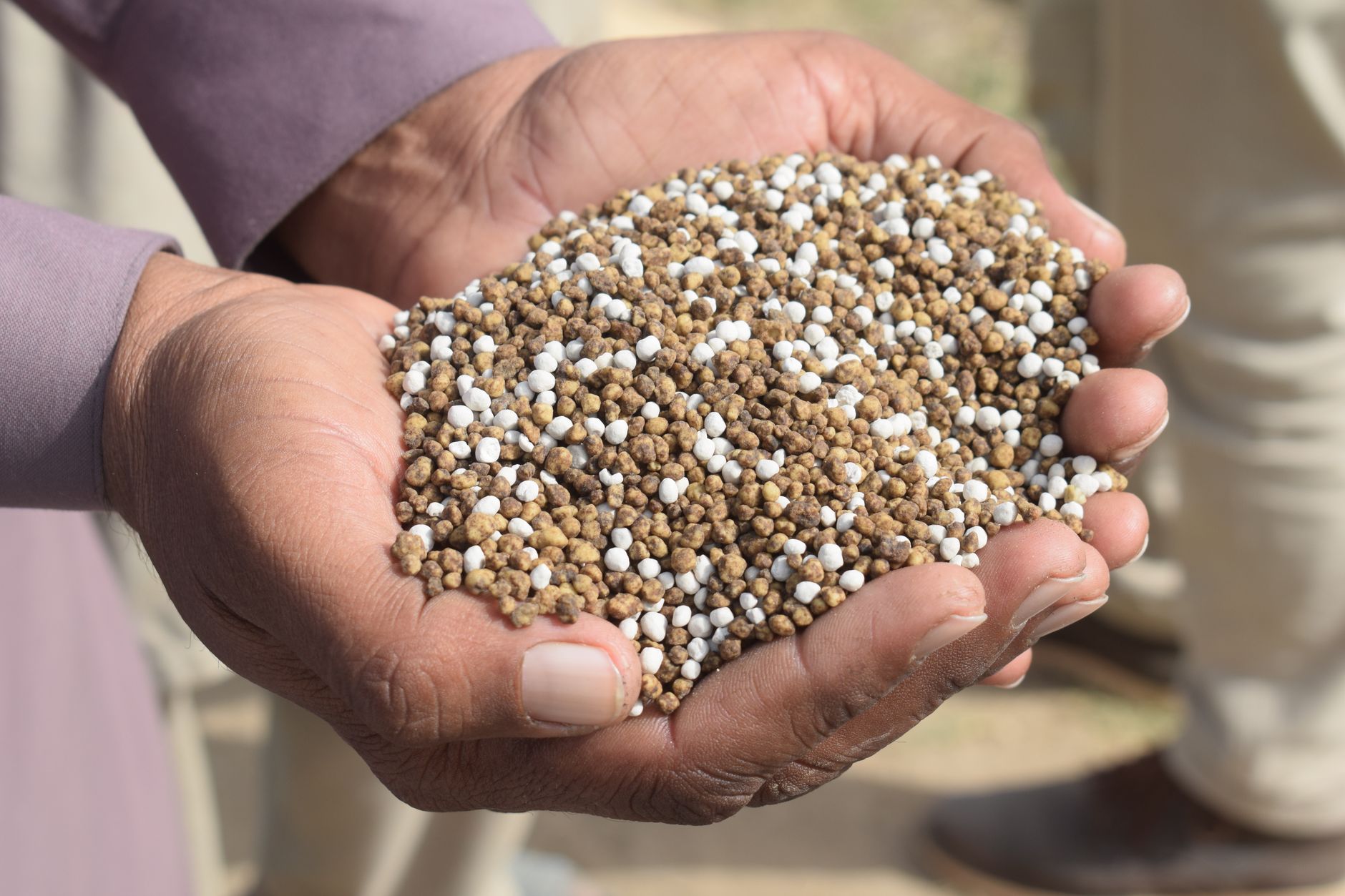
Urea, the world's most widely used nitrogen fertilizer, hit $800 per metric ton on the Baltic Exchange this week, double its price from four weeks ago. Thirty percent of global fertilizer trade passes through the Strait of Hormuz, and three weeks of disruption have choked supply lines during the narrow window when farmers must plant or lose the season.
The price spike is not abstract. In Bangladesh, rice farmers in the Rangpur division told the Daily Star they could not afford urea at current prices and would reduce planted acreage by a third. In Nigeria, the Fertilizer Producers and Suppliers Association said members had halted imports because shipping insurance costs made deliveries uneconomical.
"If farmers don't plant in the next 10 to 14 days, you don't get a second chance," said David Laborde, director of food and trade policy at the International Food Policy Research Institute. "Crops have calendars. Wars don't care about them."
Hormuz and the Fertilizer Corridor
The Persian Gulf produces roughly 15% of global urea output. Saudi Arabia, Qatar, and Oman operate large-scale urea plants that normally export through Hormuz to South and Southeast Asia, East Africa, and Latin America.
Iran itself produces 25 million tons of urea annually, making it one of the world's top five producers, according to the Iran Petrochemical Commercial Company. Iranian exports have halted entirely since US strikes began.
With Hormuz transits down 18% and insurance premiums up 340%, fertilizer shipments that would normally take two weeks from the Gulf to Mumbai or Dar es Salaam are either stranded or rerouted around the Cape of Good Hope at three times the cost.
"The delivered price is what matters to a smallholder farmer," said Wandile Sihlobo, chief economist at the Agricultural Business Chamber of South Africa. "The FOB price doubled. Add tripled freight costs. You're looking at fertilizer that's effectively unaffordable for subsistence agriculture."
Spring Planting Under Threat
The timing is critical. April is peak planting season for rice across South and Southeast Asia, maize in East Africa, and wheat in Central Asia. These crops require nitrogen application at planting or within the first weeks of growth. Missing the window means reduced yields that cannot be recovered.
India, the world's second-largest fertilizer consumer, has drawn down its strategic urea buffer stock to 2.1 million tons from 4.8 million tons at the start of March, according to the Department of Fertilizers. The government extended a 10% subsidy increase on Tuesday, but farmers' groups called it insufficient.
Pakistan's National Fertilizer Development Centre reported urea stocks at 180,000 tons, enough for roughly 12 days at normal application rates. Pakistan Tehreek-e-Insaf lawmaker Shafqat Mahmood told Geo News the country was "heading toward a food production crisis that will make the 2022 floods look manageable."
Price Cascade to Food
The chain from fertilizer to food prices is direct and fast. The UN Food and Agriculture Organisation's Food Price Index rose 4.2% in March, driven primarily by cereals and vegetable oils. The FAO warned Wednesday that a sustained fertilizer shortage would push the index higher through mid-year.
The World Food Programme, already managing a crisis of 318 million people at crisis-level hunger, said fertilizer costs were now a factor in its budget shortfalls. "When inputs cost more, food costs more, and our purchasing power drops," said WFP spokesperson Tomson Phiri.
Sri Lanka's experience in 2022 offers a preview. When the country abruptly banned synthetic fertilizer imports, rice yields fell 40% within one season, according to the Central Bank of Sri Lanka's annual report. That crisis contributed to the country's economic collapse and political upheaval.
No Quick Fix
Alternative nitrogen sources exist — organic fertilizers, crop rotation with legumes — but cannot replace synthetic urea at the scale and speed needed for this planting season. Ammonia, the precursor to urea, requires natural gas to produce, and gas prices have risen in tandem with oil.
China, the world's largest fertilizer producer, imposed export restrictions on urea last week to secure domestic supply, according to the Ministry of Commerce. The restrictions removed roughly 8 million tons of annual export capacity from the global market.
The next major fertilizer trade benchmark is set for April 11, when the International Fertilizer Association publishes its monthly market report. Agricultural ministers from G20 nations have requested an emergency session, though no date has been confirmed.
Add context
Know something useful about this story?
Albis is built for public understanding. If you have a source, lived experience, or a missing angle, you can add context for others.
Share context →Sources for this article are being documented. Albis is building transparent source tracking for every story.
Conversation
What are you seeing?
Add local context, a source, a question, or a perspective we may have missed. You can comment as a guest or create a free account.
Loading conversation…
Get the daily briefing free
News from 7 regions and 16 languages, delivered to your inbox every morning.
Free · Daily · Unsubscribe anytime
🔒 We never share your email


