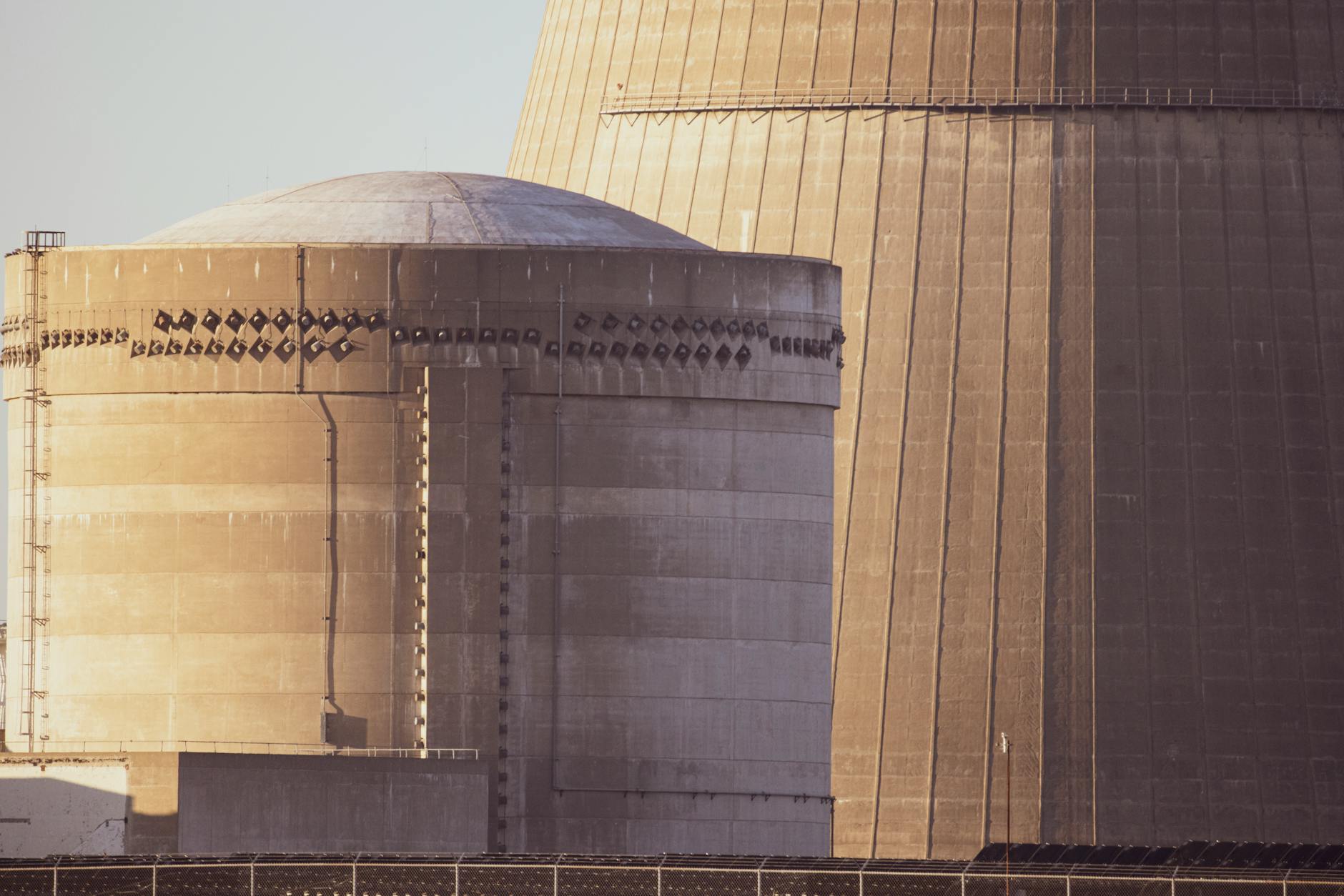
Oil sinks on talks hope even as physical risk stays in place
Crude fell on renewed hopes for U.S.-Iran diplomacy, but tanker flows, insurance costs, and refinery planning still point to a supply system under strain.
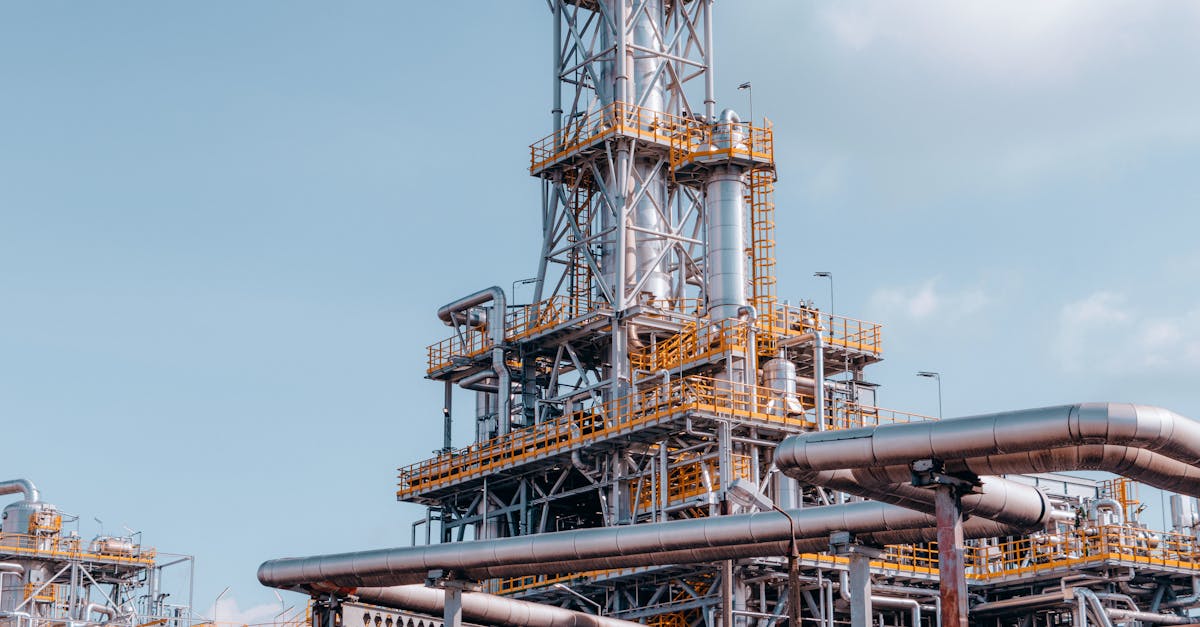
Traders pushed oil prices lower after reports of possible new U.S.-Iran talks, betting that diplomacy might hold before another direct escalation hits the Gulf. The move was fast, logical, and incomplete. Markets can reprice in minutes when the odds of conflict appear to improve, but the physical system behind those prices — tankers, insurers, ports, refiners, and buyers — moves much more slowly.
That gap is the core tension behind today’s energy story. The BBC reported that crude fell after earlier spikes above $100 a barrel as talk of fresh negotiations began to circulate. On one level, that reaction makes sense. A ceasefire that survives and expands into a longer process reduces the chance of severe disruption through the Strait of Hormuz, and Hormuz risk is one of the clearest ways to inject fear into the oil market. But a lower futures price is not proof that the underlying supply problem has been solved.
Reuters has been blunt on that point: even if the strait is said to be open, restoring oil flows is a slower and harder task. Cargoes have to be repositioned. Shipowners need to decide whether the route is acceptable. Insurers have to price the danger in ways that counterparties can live with. Refiners and importers have to judge whether today’s diplomatic signal is strong enough to trust for next week’s deliveries. None of that settles because the market likes a headline.
The result is a system in which prices can fall while risk stays embedded in operations. That sounds contradictory only if oil is treated as a single story. It is really two stories running at different speeds. The first is financial: how traders react to new information, rumor, probability, and positioning. The second is logistical: whether real barrels move from producer to buyer without enough friction to alter supply availability. The first can turn in an afternoon. The second takes time.
This distinction matters beyond trading desks. Governments tracking inflation, fuel costs, and strategic reserves need to know whether price relief is likely to last. Airlines, shipping companies, manufacturers, and import-heavy economies are all exposed to the same question. If the decline in crude is driven mainly by diplomatic hope rather than restored throughput, then the market remains vulnerable to reversal. One failed meeting, one new seizure, or one contradictory signal from Tehran or Washington can erase the optimism just as quickly as it arrived.
There is also a recurring mistake in how energy risk is communicated. Headlines often make it seem as if markets are irrationally overreacting to politics. In reality, markets are doing what they are built to do: assigning a probability to future disruption before that disruption shows up in visible shortages. The problem is not the speed of the reaction. The problem is that price movement can create the illusion of resolution. A lower number on the screen looks like stabilization even when the pipeline behind it remains uncertain.
The present setup offers a good example. Yes, renewed talks would matter. Yes, oil can fall further if the ceasefire extends and shipping conditions improve. But no, the decline itself is not the state change. The real state change would be a verified extension of the truce, a sustained easing of maritime risk, and enough confidence in Hormuz traffic that insurers and operators stop behaving defensively.
That is why the energy market should be read as a warning label as much as a verdict. It is telling the world that diplomacy still has room to work, but it is not granting certainty that diplomacy has succeeded. The physical supply chain remains exposed to exactly the same fragilities that drove prices sharply higher in the first place.
For readers outside finance, the cleanest takeaway is this: oil is cheaper this morning because traders think the worst outcome may be avoidable. That is a sentiment change, not a completed repair. Until ships move consistently, insurers loosen up, and the U.S.-Iran ceasefire proves it can outlast the immediate crisis, the market is still balancing on a thin layer of optimism spread over unresolved supply risk.
If that optimism gains structure through real talks, the drop in crude could stick. If not, today’s slide will look less like relief and more like another temporary pause inside a system that still cannot tell whether diplomacy or disruption is about to win.
Add context
Know something useful about this story?
Albis is built for public understanding. If you have a source, lived experience, or a missing angle, you can add context for others.
Share context →Sources for this article are being documented. Albis is building transparent source tracking for every story.
Conversation
What are you seeing?
Add local context, a source, a question, or a perspective we may have missed. You can comment as a guest or create a free account.
Loading conversation…
Get the daily briefing free
News from 7 regions and 16 languages, delivered to your inbox every morning.
Free · Daily · Unsubscribe anytime
🔒 We never share your email