Pacific-led UN resolution backs the world court's climate obligations ruling despite US resistance
This strengthens the legal and diplomatic foundation for future climate litigation, compensation claims, and pressure on fossil-heavy states.
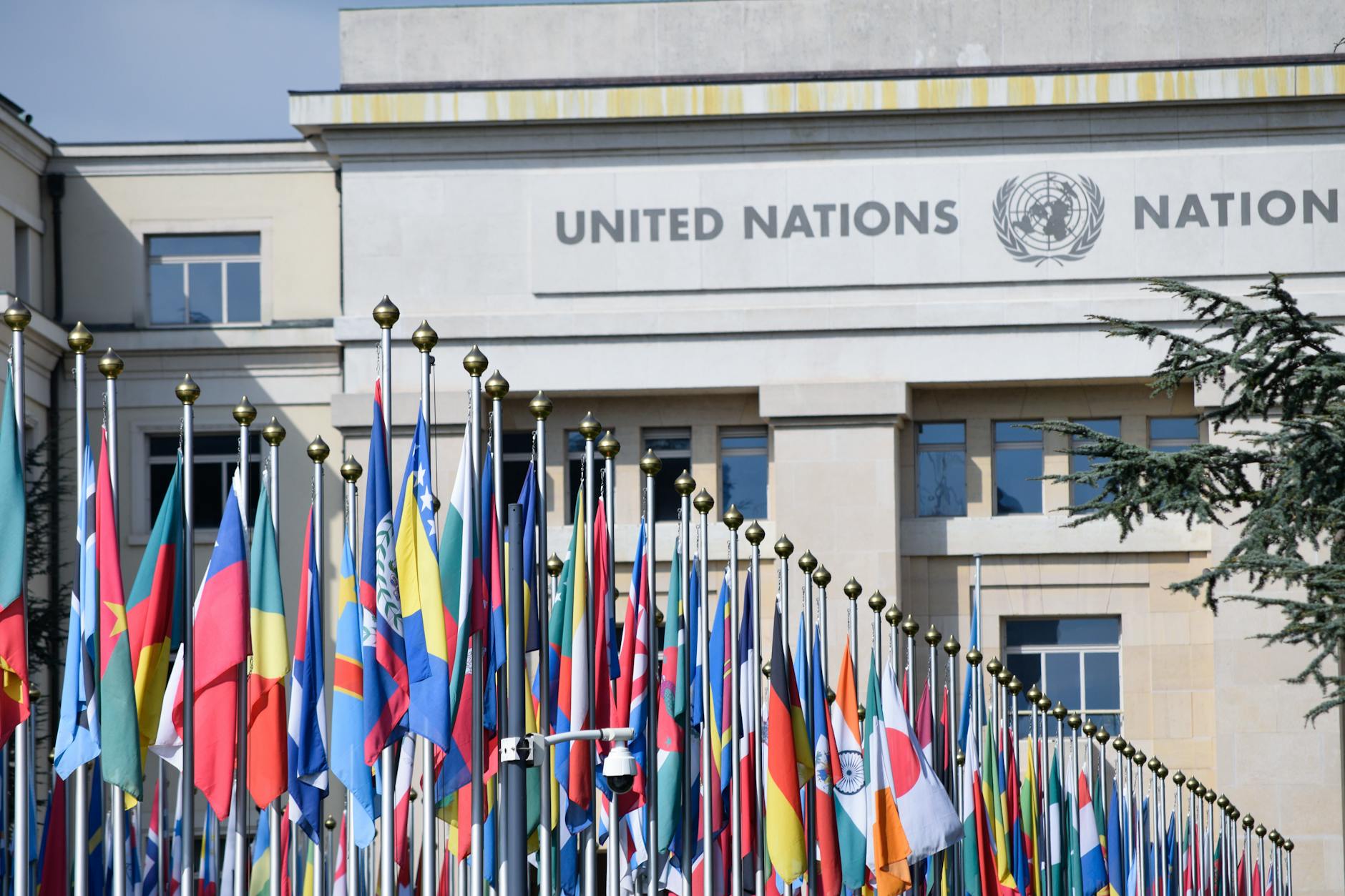
Pacific island states have helped push a UN resolution backing the world court’s climate-obligations ruling, keeping legal pressure on high-emitting countries even as the United States resists the move.
UN is not just colour; it is the cleanest route into the larger pattern. This piece should use an unusual detail as the cleanest route into the larger pattern. The oddity matters because it lights up policy and rules shift from the side. A strange local detail can expose stress, adaptation, workaround behaviour, or institutional denial faster than a polished policy statement ever will. The useful reading is not just that something happened, but that the decision space around UN is now narrower than it was before.
This strengthens the legal and diplomatic foundation for future climate litigation, compensation claims, and pressure on fossil-heavy states. The next test is whether that shift stays contained or starts changing choices around UN in Pacific and Global—from ministries and ports to clinics, courtrooms, warehouses, classrooms, and family budgets. That detail matters because UN is where an abstract development starts becoming a practical constraint for people, operators, or public institutions.
Policy and rules shift is what turns this from a single update into a moving story. This strengthens the legal and diplomatic foundation for future climate litigation, compensation claims, and pressure on fossil-heavy states. The first effects tend to show up in contracts, compliance decisions, and delayed shipments, because companies move faster than ministries rewrite their public language. The visible event and the practical fallout are pulling attention in different directions.
Coverage is clustering in Pacific, Global. Across that spread, coverage keeps pulling toward state-change, consensus, so readers are not just seeing different tone; they are often being handed a different main plot. The footprint is broad, which usually means downstream effects will travel beyond the country that triggered the headline. That detail matters because UN is where an abstract development starts becoming a practical constraint for people, operators, or public institutions.
This reaches further than a climate headline. This strengthens the legal and diplomatic foundation for future climate litigation, compensation claims, and pressure on fossil-heavy states. It presses on financing, household hedging, commodity rules, and industrial strategy at the same time. Reveals a surprising edge-case with broader meaning. This strengthens the legal and diplomatic foundation for future climate litigation, compensation claims, and pressure on fossil-heavy states. The odd detail matters because it exposes a broader shift earlier than the headline does.
The immediate question is whether UN changes on the ground, whether neighbouring actors copy or resist the move, and whether the issue begins appearing in places that were initially quiet. That detail matters because UN is where an abstract development starts becoming a practical constraint for people, operators, or public institutions.
The evidence layer is still uneven, but it is not empty. Current reporting gives readers clear consequence line, multi-pattern signal, cross-region footprint, named actors, while UN, US, Pacific sit closest to the practical consequences. That makes the article less about declaring a finished verdict and more about mapping the operating reality: what is confirmed, where the pressure is landing, and which claims still need stronger proof before they become part of the public record.
The life-systems layer is the reason this belongs in a deeper public file. Policy and rules shift can move through everyday access, cost, safety, or institutional capacity, and UN is one of the places where that movement becomes visible. If the story keeps developing, the consequence will not only be political language; it will be felt through queues, prices, service capacity, travel choices, school calendars, medical risk, energy planning, or household decisions.
The regional frame also matters. Coverage is strongest in Pacific, Global, but the same facts can carry different meanings depending on whether outlets lead with law, cost, security, humanitarian strain, or domestic politics. The visible event and the practical fallout are pulling attention in different directions. A public reader needs that distinction because the first frame often decides whether the story is treated as urgent, technical, distant, or personal.
The honest uncertainty is how far the effect travels from here. The next proof will come from changes around UN: whether official promises turn into delivery, whether affected groups change behaviour, whether neighbouring systems absorb the pressure, and whether later reporting confirms the early pattern or narrows it. Until then, the strongest reading is cautious but serious: the signal is real enough to track, not settled enough to oversell.
For now, UN is the place to keep watching. If the consequences spread beyond the first announcement, the story will stop looking like a single update and start looking like a new baseline. The useful reading is not just that something happened, but that the decision space around UN is now narrower than it was before.
Company Daily Scan
Track stories like this for your company.
Albis can turn the same global scan into a private daily briefing for your sector, regions, risks, and watchlist.
See how the company scan works →Sources for this article are being documented. Albis is building transparent source tracking for every story.
Get the daily briefing free
News from 7 regions and 16 languages, delivered to your inbox every morning.
Free · Daily · Unsubscribe anytime
🔒 We never share your email


