South Korea Breaks Sanctions, Buys Russian Naphtha 2026
South Korea imported Russian naphtha for the first time since 2022, breaking its own sanctions to keep hospitals stocked with IV bags. Three factories already shut. Here's why.

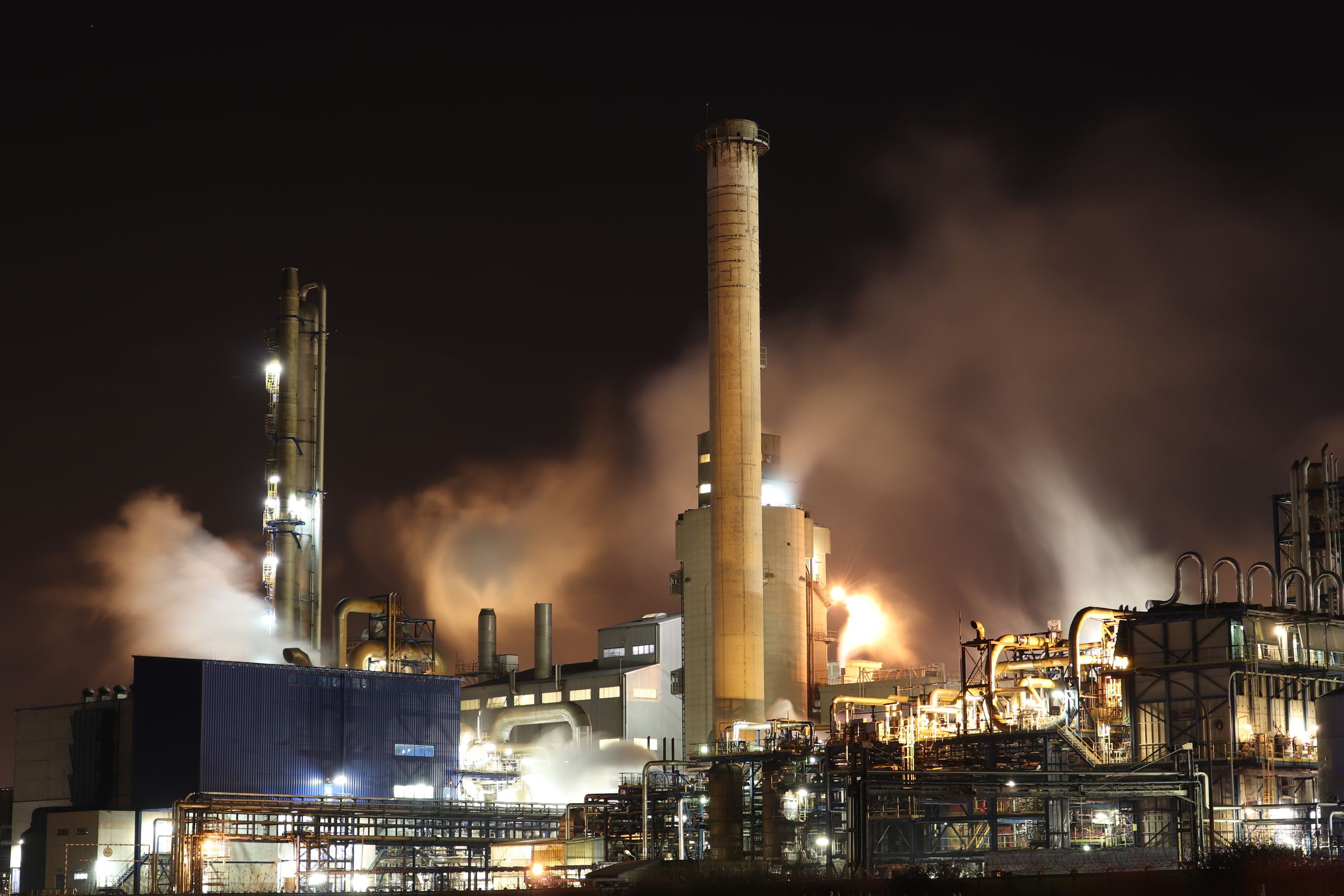
South Korea just bought Russian naphtha for the first time since December 2022. A private company completed the purchase after Washington quietly lifted enforcement of secondary sanctions — a concession that says more about the Iran war's energy shock than any official statement.
The alternative was worse. South Korea's petrochemical industry — the backbone of everything from chip manufacturing to hospital IV bags — is down to two weeks of naphtha stockpiles. Three of the country's largest chemical plants have already shut.
The Rice of Industry Is Running Out
Koreans call naphtha "the rice of industry." It's the petroleum derivative that becomes ethylene, which becomes plastics, textiles, rubber, food packaging, medical supplies, and chip chemicals. South Korea imports 45% of its naphtha. Of those imports, 77% come from the Middle East — through the Strait of Hormuz.
When Iran closed that strait a month ago, supply collapsed.
Naphtha prices surged past $1,100 per barrel, nearly double pre-war levels. LG Chem shut its No. 2 naphtha cracking centre in Yeosu on March 23. Yeochun NCC shut its No. 3 plant and cut output at two others. Lotte Chemical pulled a maintenance shutdown forward by three weeks, halting 1.23 million tonnes of annual ethylene capacity at Yeosu on March 27.
These aren't obscure facilities. Together, they feed Samsung's chip fabs, Hyundai's assembly lines, and every hospital in the country.
From Garbage Bags to IV Bags
The crisis hit kitchen tables before boardrooms. Koreans started hoarding garbage bags after 71% of plastics manufacturers got notices about supply cuts. Retailers imposed two-pack limits. Online sellers posted delays. Social media filled with photos of empty shelves.
Then it reached hospitals. IV bags are polyethylene — a naphtha derivative. The Ministry of Food and Drug Safety started checking pharmaceutical inventories and reviewing emergency measures. Syringes, medical tubing, chemo delivery systems — all need the same raw material now measured in weeks, not months.
"If the conflict drags on, it could hit the entire hospital environment, from surgeries to chemotherapy," a pharmaceutical industry official told Seoul Economic Daily.
On March 27, the government banned all naphtha exports for five months. Every barrel produced domestically stays in the country. Export requires direct ministerial approval. Priority goes to healthcare, core industries, and essential consumer goods — in that order.
The Sanctions U-Turn Nobody Announced
Three years ago, South Korea voluntarily stopped buying Russian crude and naphtha to stand with Western sanctions over Ukraine. A principled stand from a country outside NATO, at real economic cost.
Now the principle's met the IV bag.
On March 26, Seoul confirmed the US had cleared non-dollar payments for Russian oil products. Korean companies can pay in yuan, roubles, or dirhams without facing secondary sanctions. The trade ministry called it a removal of "financial and sanctions barriers." Washington called it a temporary easing to curb oil price spikes.
By March 30, a private Korean company completed the first import. The government told lawmakers it's working to secure more.
PGI 5.9. Three regions, three stories. In Seoul, this is survival — the world's 10th-largest economy doing what it must to keep 52 million people's hospitals running. In Brussels, it's a precedent that could unravel the entire sanctions architecture built since 2022. In Washington, it's an ally whose reliability just became a question mark.
What Happens Next
Russian naphtha's a stopgap, not a solution. Lawmakers admitted scaling up imports will take time — logistics, payment systems, and shipping routes all need rebuilding after three years of zero trade. The Hormuz blockade continues. Naphtha prices sit at record levels. Experts warn of a full energy crisis by late April.
The deeper story's structural. South Korea built the world's fifth-largest petrochemical industry on one assumption: Middle Eastern oil always flows through a 33-kilometre strait. That broke on March 1. Russian naphtha bought with Chinese yuan is the emergency patch. Nobody's talking about what comes after.
Seven days until Trump's April 6 Iran deadline. If the strait stays closed, two weeks of naphtha becomes zero — and the choice between sanctions principles and hospital supplies won't be a choice at all.
Add context
Know something useful about this story?
Albis is built for public understanding. If you have a source, lived experience, or a missing angle, you can add context for others.
Share context →Sources & Verification
Based on 5 sources from 0 regions
Conversation
What are you seeing?
Add local context, a source, a question, or a perspective we may have missed. You can comment as a guest or create a free account.
Loading conversation…
Get the daily briefing free
News from 7 regions and 16 languages, delivered to your inbox every morning.
Free · Daily · Unsubscribe anytime
🔒 We never share your email