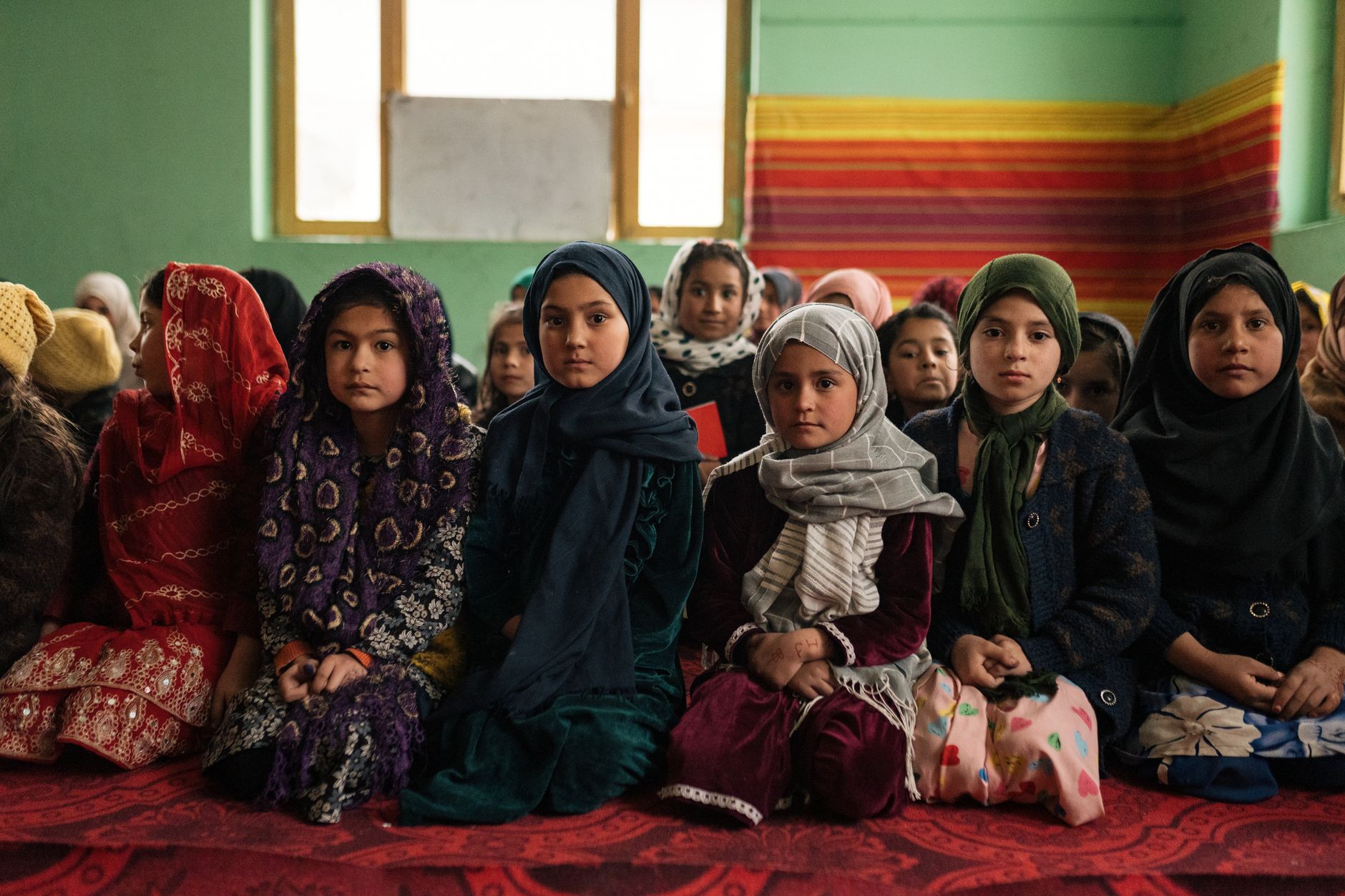
UNESCO's 2026 Global Education Monitoring report sharpened the equity countdown to 2030
Education inequality is a long-horizon systems risk because it feeds future labour shortages, political exclusion and uneven economic growth.

Global Education Monitoring report sharpened the equity countdown to 2030. Global Education Monitoring is the odd detail worth watching because it reveals a surprising edge-case with broader meaning.
Global Education Monitoring is not just colour; it is the cleanest route into the larger pattern. This piece should use an unusual detail as the cleanest route into the larger pattern. The oddity matters because it lights up human access squeeze from the side. A strange local detail can expose stress, adaptation, workaround behaviour, or institutional denial faster than a polished policy statement ever will.
Education inequality is a long-horizon systems risk because it feeds future labour shortages, political exclusion and uneven economic growth. The next test is whether that shift stays contained or starts changing choices around Global Education Monitoring in Global—from ministries and ports to clinics, courtrooms, warehouses, classrooms, and family budgets.
Human access squeeze is what turns this from a single update into a moving story. Education inequality is a long-horizon systems risk because it feeds future labour shortages, political exclusion and uneven economic growth. The chain usually runs through routing, insurance, delivery timing, and then price—well before consumers see a neat explanation at the pump or on the invoice. Official reassurance in the lead, household or clinic pressure underneath.
Coverage is clustering in Global. Across that spread, coverage keeps pulling toward consensus, so readers are not just seeing different tone; they are often being handed a different main plot.
Direct lived consequences is where the story becomes tangible. Education inequality is a long-horizon systems risk because it feeds future labour shortages, political exclusion and uneven economic growth. That is why a route story rarely stays a route story: it becomes a costs story, a supply story, and eventually a household or industrial planning story. What stands out is that it reveals a surprising edge-case with broader meaning. Reveals a surprising edge-case with broader meaning. Education inequality is a long-horizon systems risk because it feeds future labour shortages, political exclusion and uneven economic growth. The odd detail matters because it exposes a broader shift earlier than the headline does.
From here, the follow-through matters more than the quote. Watch whether Global Education Monitoring actually changes on the ground, whether neighbouring actors copy or resist the move, and whether the story starts showing up in places that were initially quiet. That is usually the moment when a local-seeming development reveals itself as a wider systems signal.
By the end, the shape of the story should feel clearer: a real shift, a traceable consequence chain, or a human or systems angle that disappears if you stay with the broad headline alone. Not every item needs to sound monumental. It does need to leave the reader with something concrete to watch tomorrow.
Sources for this article are being documented. Albis is building transparent source tracking for every story.
Get the daily briefing free
News from 7 regions and 16 languages, delivered to your inbox every morning.
Free · Daily · Unsubscribe anytime
🔒 We never share your email