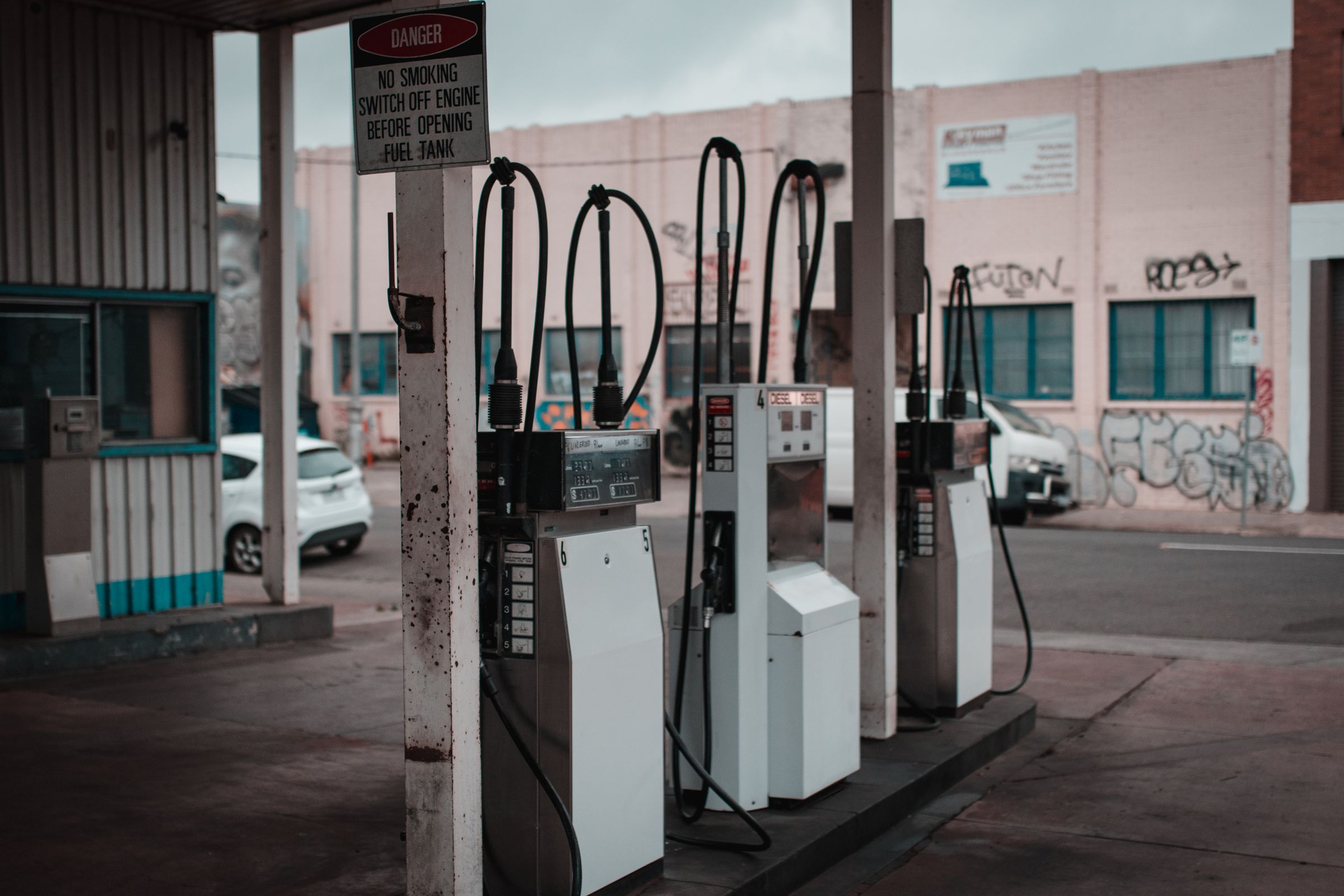
Brent Crude Posts Record 59% Monthly Gain — Largest Since 1988
Oil prices surged 59% in March, the largest monthly gain since records began, as the Strait of Hormuz closure choked global supply.
Brent crude closed at $115.40 a barrel on Monday, capping a 59% gain for March — the largest single-month increase since at least 1988, when ICE Futures Europe began tracking the benchmark.
The previous record, a 41% monthly rise in January 1991 during the first Gulf War, lasted 35 years. March 2026 shattered it by 18 percentage points.
West Texas Intermediate posted a 54% gain over the same period, closing at $111.20.
What Drove It
The trigger is singular: the effective closure of the Strait of Hormuz, through which roughly 21% of the world's daily oil consumption passes. Iranian military operations have made the strait impassable for most commercial shipping since early March.
"This isn't a supply shock. It's a supply amputation," said Amrita Sen, director of research at Energy Aspects. "You can't replace 17 to 18 million barrels a day of transit capacity with anything."
The International Energy Agency estimated global oil supply fell by 11.1 million barrels per day in March relative to February. Strategic petroleum reserve releases from the US, Japan, South Korea, and IEA member states covered roughly 4.5 million barrels per day. The remaining deficit drove prices.
Who Pays
The price surge hits unevenly. Oil-importing nations across Asia face the steepest costs.
Diesel prices across Southeast Asia rose 81% in four weeks, according to CEIC data. India's rupee crashed past ₹95 to the dollar on Monday as import costs soared. South Korea is weighing public driving restrictions for the first time in 35 years, according to its Ministry of Trade. Australia halved its fuel excise for three months, absorbing billions in lost revenue.
Egypt ordered all shops closed by 9 PM to conserve energy, affecting over 100 million people. The Philippines reported fuel reserves down to 45 days.
In Europe, German inflation hit 2.8% in March, its first rise since 2023, driven entirely by energy costs, data from the Federal Statistical Office showed. Consumer confidence across the eurozone collapsed to levels not seen since the 2022 energy crisis, according to the European Commission's March survey.
Asian equity markets reacted sharply. The Nikkei 225 fell 4.5% on Monday. South Korea's KOSPI dropped 5%. Both indices posted their worst single-day losses in over a year.
The Recession Line
Economists at JPMorgan, Goldman Sachs, and Oxford Economics have converged on $120 per barrel as the threshold at which global GDP growth turns negative. Brent sits $4.60 below that line.
"At $115, you get demand destruction. At $120, you get recession," said Jan Hatzius, Goldman Sachs' chief economist, in a note to clients Monday. "We are pricing in a 55% probability of global contraction in Q3."
The US Federal Reserve has not commented on the oil shock's implications for monetary policy. The European Central Bank faces a direct conflict: rising energy-driven inflation argues for rate increases, while collapsing consumer demand argues for cuts.
What Comes Next
Three factors will determine whether Brent breaches $120 in April.
First, the Hormuz closure's duration. President Trump told aides Monday he is willing to end the Iran war even with the strait still closed, according to CNN. If that happens, the supply disruption becomes structural rather than temporary.
Second, OPEC+ spare capacity. Saudi Arabia holds roughly 2 million barrels per day of spare production capacity, but Riyadh has not announced plans to increase output. The kingdom's silence has drawn criticism from Washington.
Third, strategic reserve depletion. IEA member states hold 1.2 billion barrels in emergency reserves, enough to cover the current deficit for roughly 80 days at current draw rates. After that, there is no backstop.
The last time oil posted a monthly gain above 40%, the global economy entered recession within six months.
Add context
Know something useful about this story?
Albis is built for public understanding. If you have a source, lived experience, or a missing angle, you can add context for others.
Share context →Sources for this article are being documented. Albis is building transparent source tracking for every story.
Conversation
What are you seeing?
Add local context, a source, a question, or a perspective we may have missed. You can comment as a guest or create a free account.
Loading conversation…
Get the daily briefing free
News from 7 regions and 16 languages, delivered to your inbox every morning.
Free · Daily · Unsubscribe anytime
🔒 We never share your email