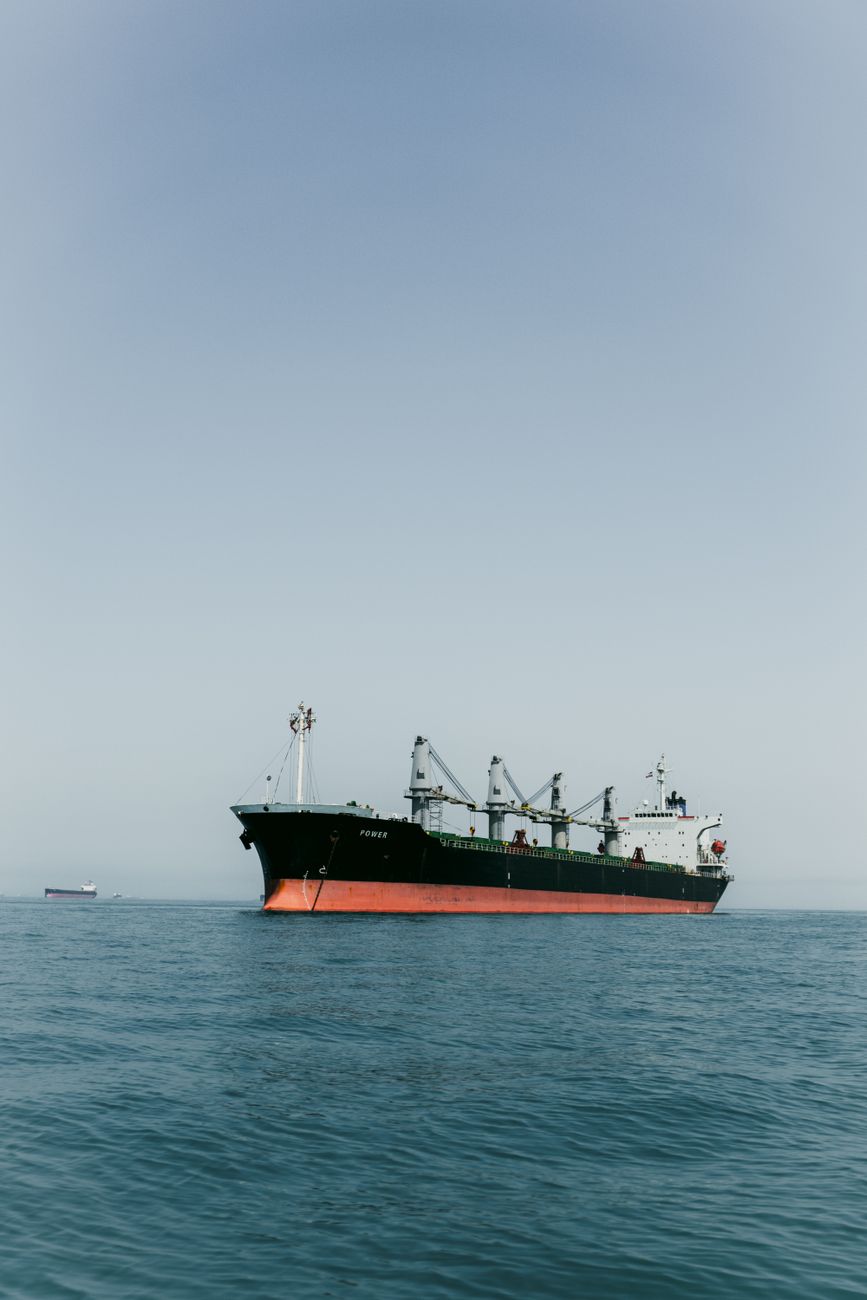
Hormuz Reopened, Then Closed Again. That Volatility Is the Real Story.
The Strait of Hormuz briefly reopened during the ceasefire window, then shut again as blockade pressure returned. The real update is not simple disruption. It is a chokepoint flipping state in real time.
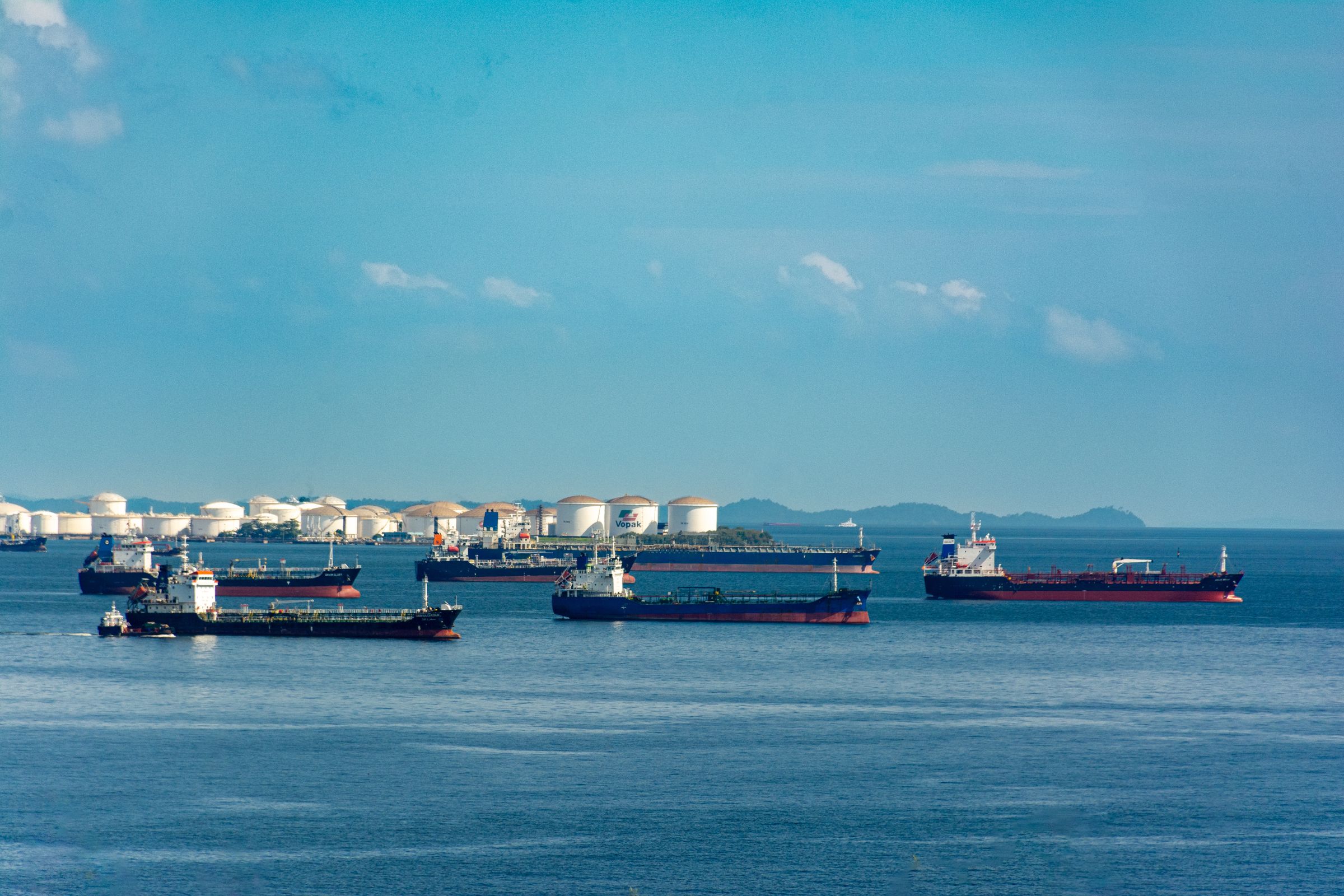
For about a moment, the world's most sensitive oil chokepoint looked almost boring again.
That was the signal traders wanted. During the ceasefire window, Iran said commercial shipping through the Strait of Hormuz was open. Oil eased. Deal speculation grew. Freight nerves softened just enough for people to start talking about normalization.
Two days later, the strait was effectively shut again.
That sequence matters more than either headline on its own. The honest update is not simply that Hormuz is "still disrupted" or that it "reopened." The stronger fact is that the chokepoint flipped state twice in days: closed, then open, then closed again. Volatility itself is now the story.
That changes how the entire episode should be read.
Albis already covered the reopening as a meaningful de-escalation signal because it was one. A live chokepoint moving back toward commercial passage changes fuel assumptions, shipping plans and diplomatic expectations immediately. But today's distinct layer is what happened after that. The reopening did not settle the question of access. It proved access can still be granted and withdrawn as bargaining pressure.
That is a different kind of risk.
Markets can price a closure. They can price an open route. The hardest thing to price is a corridor whose status depends on rapidly shifting political conditions that are only partly visible from outside. Shipowners need more than headlines. They need rules that still exist by the time the vessel reaches the narrows.
That is why Western business coverage and regional political coverage keep sounding like they are describing different events. In European and U.S. reporting, the emphasis falls on what the reversal means for freight rates, insurers and inflation expectations. In Middle Eastern framing, the strait is not just a market artery but an instrument of leverage inside a larger sovereignty fight. In South and East Asia, where import dependence is more immediate than diplomatic theatre, the practical question is blunter: can energy cargo move next week at a price planners can still absorb?
That gap matters because the economic consequences do not wait for diplomatic clarity.
If a tanker route is open only conditionally, refiners hesitate. Insurers widen premiums. Buyers build contingency costs back into contracts. Governments start asking whether emergency support, stock releases or subsidy measures may need to stay in place longer than hoped. A chokepoint does not need to be fully shut to keep transmitting inflation.
This is also why title honesty matters. This is not breaking news about a fresh war opening out of nowhere. It is a state-change update. What changed is that the ceasefire window briefly produced a real maritime reopening, then failed to stabilize it. That is more useful than pretending the latest closure is the only thing that happened.
What remains unresolved is bigger than vessel counts. Can any future reopening survive if wider sanctions and blockade pressure remain active? Is commercial passage being used as a bargaining chip toward a larger arrangement, or as a temporary signal with no durable architecture behind it? And if talks progress, who controls the terms of "open" next time?
What to watch next is not just whether the strait reopens again. Watch whether insurers lower premiums, whether shipping traffic returns at scale, and whether officials begin describing access in durable rules instead of temporary exceptions.
Hormuz matters most when it stops making news. Right now it is making too much of it.
That is the real signal: the artery is no longer just blocked or unblocked. It is politically reversible in real time, and the world economy now has to plan around that.
Add context
Know something useful about this story?
Albis is built for public understanding. If you have a source, lived experience, or a missing angle, you can add context for others.
Share context →Sources & Verification
Based on 2 sources from 2 regions
Conversation
What are you seeing?
Add local context, a source, a question, or a perspective we may have missed. You can comment as a guest or create a free account.
Loading conversation…
Get the daily briefing free
News from 7 regions and 16 languages, delivered to your inbox every morning.
Free · Daily · Unsubscribe anytime
🔒 We never share your email