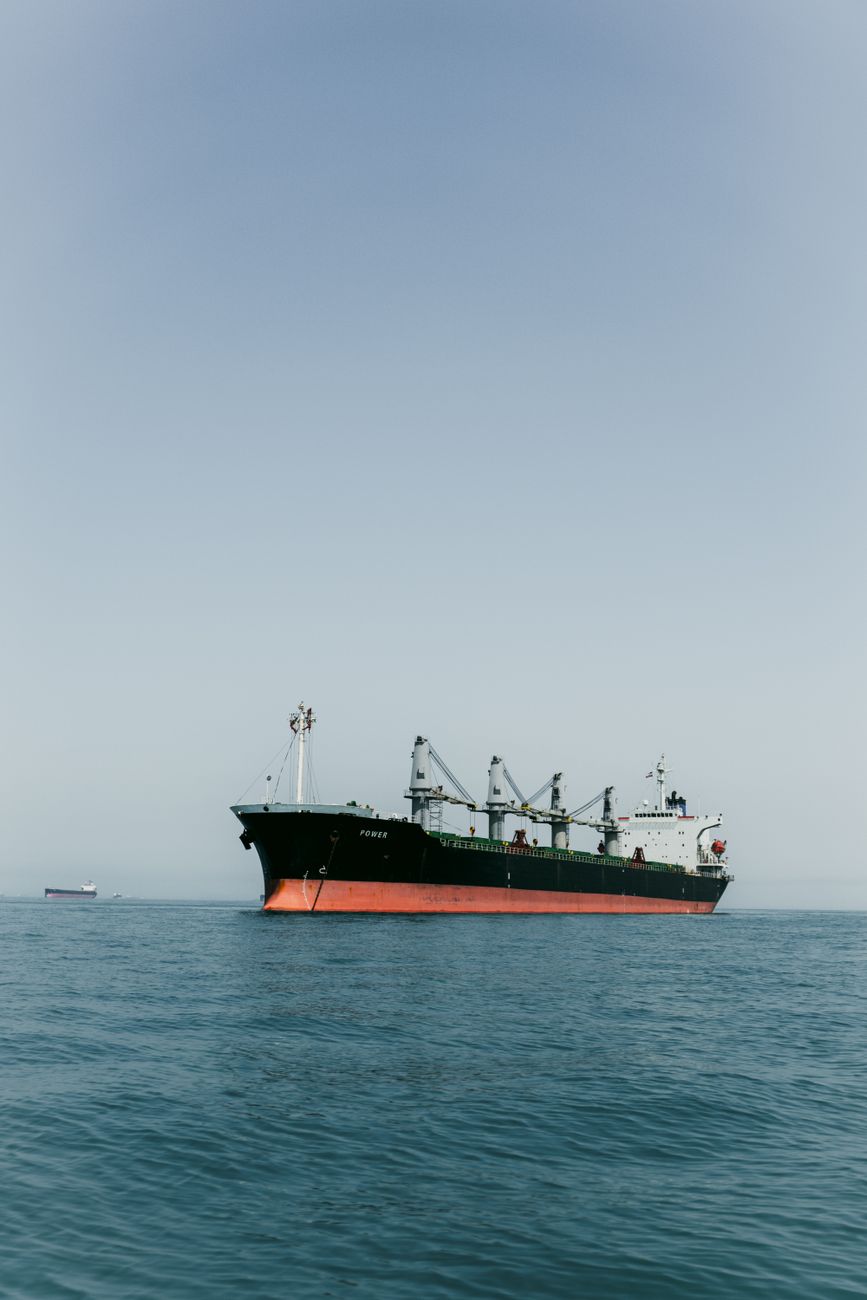
Hormuz Transit Rules Are Softening. The Blockade Framework Still Hasn't Gone Away
The latest Hormuz update is not a full reopening. It is a narrower shift toward conditional transit while the wider blockade and sanctions architecture remains in place.
Hormuz transit rules are softening at the margins, but the blockade framework is still live. That is the real update from the latest Middle East negotiations. Some shipping conditions appear to be easing, yet sanctions pressure and corridor control remain unresolved, so this is not a full reopening of the Strait of Hormuz.
A shipping lane does not need to be fully closed to stay dangerous.
That is the cleanest way to read the latest Hormuz turn. The scan suggests negotiators are narrowing differences over what traffic can move and under what conditions. That is meaningful. But it is not the same thing as normal passage returning.
Albis has already tracked the earlier phases in Hormuz Clearing Begins but the Shipping Shock Is Still Passing Through and U.S.-Iran Talks Are Still Alive. That Changes How to Read the Blockade. This update sits one layer beyond both. The question is no longer only whether ships can move. It is whether the rules of movement are being renegotiated without removing the coercive structure around them.
That distinction matters because markets care about routine, not possibility. A tanker owner wants to know if a route will still function next week. Importers want to know if insurance, freight and timing can be planned. Governments want to know whether fuel and fertilizer costs can stop transmitting panic into the rest of the economy.
Right now the answer is still only partly yes.
The latest shift points to a conditional corridor. Reuters reporting described narrowing gaps over Strait of Hormuz management and possible lower risk for some traffic on the Omani side. That is a real state change. It means the crisis is moving away from binary language about open versus closed and toward a more political question: who gets passage, on what terms, and under whose guarantees.
That is why this is a better read than another generic oil-price story. Transit governance is becoming the hinge variable. The military phase, the diplomatic phase and the inflation phase now run through the same narrow waterway.
The perception gap remains high because regions are not really reading the same event the same way. In U.S. coverage, transit softening can look like pressure working. In Middle Eastern coverage, it looks more like corridor bargaining under duress. In South Asia and Europe, the emphasis is less ideological. The concern is whether import exposure and shipping risk are easing enough to matter in practice.
Those frames produce very different conclusions from the same facts. One reading says de-escalation is taking hold. Another says the blockade has simply become more selective.
That difference matters beyond oil. A partially functioning corridor can still keep freight costs high, distort refinery planning and leave fertilizer buyers cautious. Britain and France Open a Different Hormuz Track: Seafarers, Shipping and Sanctions showed the same pattern from a European angle: the crisis is now being managed through layered operational fixes, not a clean political settlement.
Title honesty matters here. This is not fresh breaking news about Hormuz reopening. It is a consequence update about how the corridor is being managed while the underlying conflict logic remains in force.
What changed is that transit rules appear to be softening at the margins. What remains unresolved is bigger: sanctions, enforcement and the wider political architecture still have not been settled. What to watch next is whether conditional passage becomes routine commercial flow, or whether every movement still depends on a negotiation that could snap back into confrontation.
If the corridor becomes predictable, the shipping shock starts to fade. If it stays conditional, the world will keep paying for a blockade that is softer in language than in effect.
Company Daily Scan
Track stories like this for your company.
Albis can turn the same global scan into a private daily briefing for your sector, regions, risks, and watchlist.
See how the company scan works →Sources for this article are being documented. Albis is building transparent source tracking for every story.
Conversation
What are you seeing?
Add local context, a source, a question, or a perspective we may have missed. You can comment as a guest or create a free account.
Loading conversation…
Get the daily briefing free
News from 7 regions and 16 languages, delivered to your inbox every morning.
Free · Daily · Unsubscribe anytime
🔒 We never share your email