Liberation Day, One Year Later: Factory Jobs Down, Prices Up
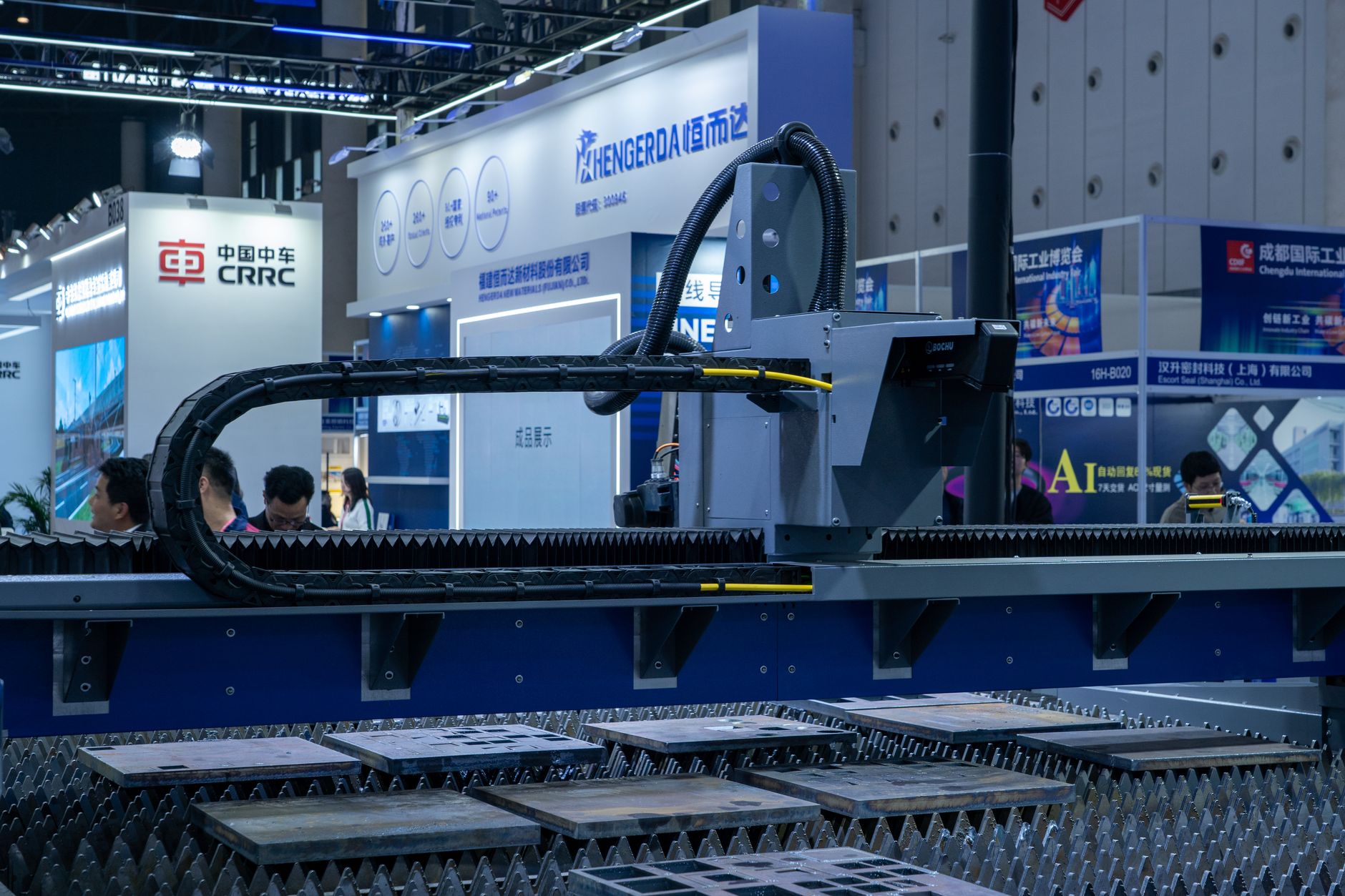
One year after Trump's 'Liberation Day' tariffs, the US has lost up to 100,000 factory jobs and manufacturing output has fallen below Biden-era levels.
One year ago today, President Donald Trump signed executive orders imposing sweeping tariffs on imports from China, the European Union, and dozens of other trading partners, calling it "Liberation Day" for American manufacturing. Twelve months later, the numbers tell a different story.
The US economy has shed between 93,000 and 100,000 manufacturing jobs since April 2, 2025, according to Bureau of Labor Statistics payroll data through February 2026. Manufacturing output, measured by the Federal Reserve's industrial production index, fell 2.1% over the same period — dropping below the level recorded during Joe Biden's final quarter in office.
The Promise
Trump framed the tariffs as the centrepiece of an industrial revival. "These tariffs will bring back millions of jobs. Factories will be built. Products will say 'Made in America,'" he said at the April 2, 2025 signing ceremony in the Rose Garden.
The initial tariff schedule imposed duties of 60% on Chinese goods, 20% on EU imports, and 10-25% on products from South Korea, Japan, Vietnam, and India. Subsequent rounds raised Chinese tariffs to 145% on many categories.
The administration projected that the measures would create 2.5 million manufacturing jobs over five years, citing a National Trade Council analysis that independent economists at the time called "deeply flawed."
What Happened Instead
Factories did not come back. They closed.
Whirlpool shut its washing machine plant in Clyde, Ohio in November 2025, laying off 1,100 workers. The company cited rising steel costs — driven in part by tariffs on imported steel — that made domestic production uncompetitive with plants in Mexico, which faced lower tariff rates.
Stellantis idled its Belvidere, Illinois assembly plant indefinitely in January 2026, eliminating 1,350 jobs. CEO Carlos Tavares said in an earnings call that tariffs on imported components had "added $2,400 to the production cost of every vehicle at that facility."
Small manufacturers fared worse. The National Association of Manufacturers surveyed 1,200 member companies in February and found that 34% had reduced headcount since April 2025, while only 8% had hired additional workers. Sixty-one percent reported higher input costs that they could not fully pass to customers.
Consumer Prices
The Tax Foundation estimated in a March 2026 analysis that tariffs added an average of $1,900 in annual costs to a typical American household through higher prices on goods ranging from electronics to clothing to groceries.
The Consumer Price Index for goods rose 4.8% year-over-year in February 2026, outpacing the 3.1% increase in the overall CPI. Furniture prices rose 11.2%. Consumer electronics rose 7.4%.
The Federal Reserve Bank of New York's March Survey of Consumer Expectations found that Americans expect inflation to average 4.7% over the next year — the highest reading since the survey began tracking expectations in 2013.
"Tariffs are a tax. They have always been a tax," said Kimberly Clausing, an economist at the Peterson Institute for International Economics who has tracked the policy's effects. "The question was always who would pay it. The data is now clear: American consumers and workers."
Trade Deficit Widens
The tariffs were explicitly designed to shrink the US trade deficit. The opposite occurred. The goods trade deficit widened to $98.4 billion in February 2026, up from $69.4 billion in March 2025, according to Census Bureau data.
Economists attribute the paradox to several factors. Retaliatory tariffs from China and the EU reduced American exports. Companies front-loaded imports before each new tariff round, inflating the numbers. And the strong dollar — bolstered in part by higher interest rates — made American goods more expensive abroad.
China's retaliatory tariffs hit American agriculture hardest. Soybean exports to China fell 44% in 2025 compared to 2024, according to the US Department of Agriculture. The administration's $28 billion farm bailout programme, extended in January, has partially offset the losses but not replaced the market access.
The Administration's View
White House economic adviser Kevin Hassett said on Fox Business Tuesday morning that the tariff programme "is working exactly as designed" and that job losses were "transitional adjustments" that would reverse "once reshoring investments come online in 2027 and 2028."
Hassett pointed to 14 factory construction announcements made since April 2025 as evidence of progress. The Reshoring Initiative, an industry group that tracks such announcements, confirmed the figure but noted that only three of the 14 projects have broken ground. The rest remain in planning or permitting stages.
The Commerce Department's next manufacturing employment report is due April 4. Economists surveyed by Bloomberg expect a further decline of 12,000 to 18,000 jobs in March, driven in part by the Iran war's disruption of global supply chains.
Add context
Know something useful about this story?
Albis is built for public understanding. If you have a source, lived experience, or a missing angle, you can add context for others.
Share context →Sources for this article are being documented. Albis is building transparent source tracking for every story.
Conversation
What are you seeing?
Add local context, a source, a question, or a perspective we may have missed. You can comment as a guest or create a free account.
Loading conversation…
Get the daily briefing free
News from 7 regions and 16 languages, delivered to your inbox every morning.
Free · Daily · Unsubscribe anytime
🔒 We never share your email