Europe and China Keep the SMILE Mission Moving Despite a Launch Delay
The ESA-China SMILE mission reached its launch window this week, then slipped on a technical issue, offering a rare example of scientific cooperation holding through a fractured geopolitical climate.
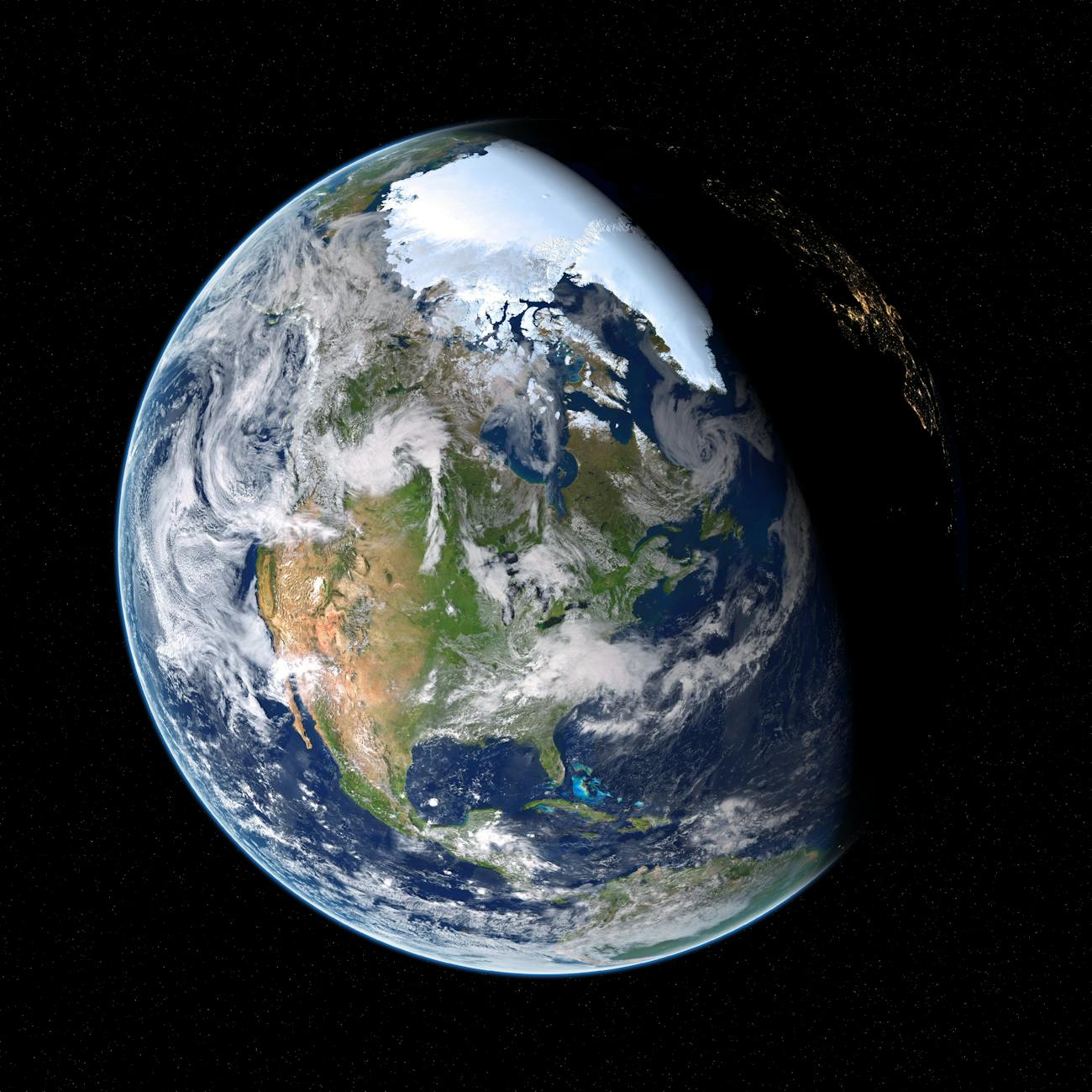
The European Space Agency said the launch window for the SMILE mission ran from April 8 to May 7, 2026, before a technical issue on the Vega-C production line forced a postponement. ESA said on April 6 that a new launch date would be confirmed later.
The mission, short for Solar wind Magnetosphere Ionosphere Link Explorer, is a joint ESA-China project designed to study how the solar wind interacts with Earth's magnetosphere. ESA said in earlier mission updates that SMILE had passed its qualification and flight acceptance review, clearing the spacecraft for launch.
In most political sectors, Europe-China cooperation now arrives with qualifiers. In space science this week, it arrived with a countdown clock, a launch campaign and then a delay notice. The postponement was technical, according to ESA, not political.
That distinction is part of the story. Western security debates often frame cooperation with China through dependency, leakage or strategic competition. Chinese state and science coverage usually presents missions like SMILE as proof that long-term research partnerships can survive a harsher world. European space institutions tend to describe the same work in procedural language: reviews passed, launch windows opened, next date pending.
All three framings point to something real. Governments have become more cautious about technology transfer and strategic infrastructure. At the same time, some scientific missions still depend on years of joint design, shared instrumentation and stable execution across borders.
ESA said SMILE will observe the magnetic buffer that protects Earth from charged particles from the Sun. The agency has described the mission as a way to improve understanding of space weather, which can disrupt satellites, power grids and communications systems.
That makes the project more than symbolic. Severe space-weather events can interfere with the same systems governments now classify as critical infrastructure. A mission aimed at understanding those risks sits at the intersection of science cooperation and resilience planning.
The regional contrast is striking. In Europe, the mission is usually presented as a science program with operational benefits for forecasting. In China, the partnership is also a diplomatic signal that high-end cooperation remains possible outside the language of sanctions and blocs. In the United States, when the mission appears at all, it is often peripheral to larger stories about China policy and the strategic uses of space.
Silence can frame a story as clearly as argument. A mission that gets broad attention in European and Chinese science circles can pass almost unnoticed in broader Anglophone news because it does not fit the dominant conflict template.
SMILE is not alone in showing that split, but it is unusually clear. On Earth, trade routes, chip supply chains and military alliances are hardening. In orbit, engineers still have to solve the same old problems of payload integration, launch readiness and instrument performance, whatever governments say about the mood of the era.
The delay means the immediate milestone is no longer liftoff on the original schedule. ESA said a new launch date would be announced later, and the mission team will now wait for updated guidance on the Vega-C timeline.
Add context
Know something useful about this story?
Albis is built for public understanding. If you have a source, lived experience, or a missing angle, you can add context for others.
Share context →Sources for this article are being documented. Albis is building transparent source tracking for every story.
Conversation
What are you seeing?
Add local context, a source, a question, or a perspective we may have missed. You can comment as a guest or create a free account.
Loading conversation…
Get the daily briefing free
News from 7 regions and 16 languages, delivered to your inbox every morning.
Free · Daily · Unsubscribe anytime
🔒 We never share your email

