India's Three-Front Oil Crisis Response Works
Navy warship escorts, a ₹10/litre excise cut, and a massive Russian oil pivot — India's response to the Hormuz crisis is working. Why isn't anyone outside South Asia paying attention?

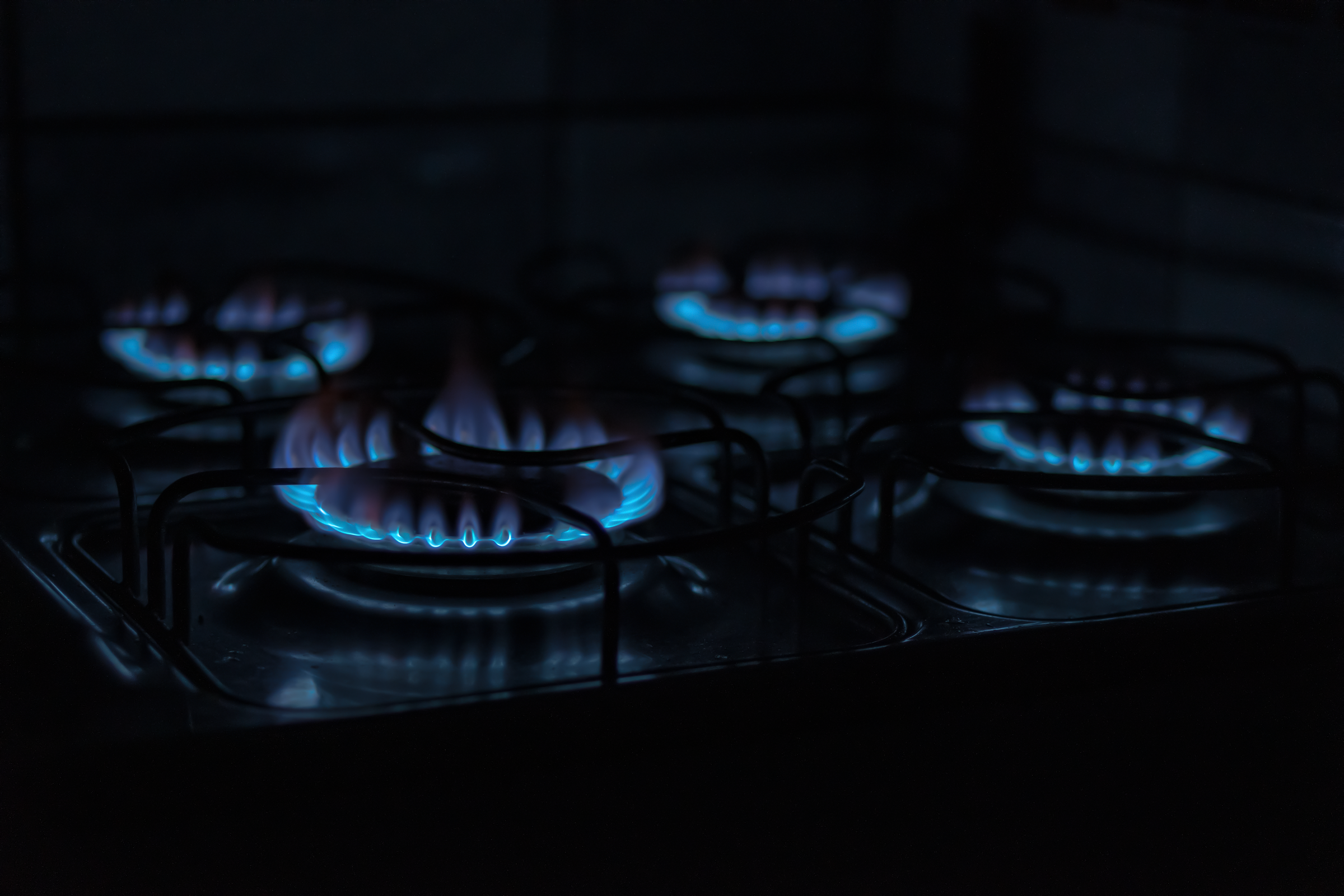
A mother in Delhi sits on a pavement outside a gas distributor's office with her six-month-old daughter, waiting for a cooking gas cylinder that may never come. She's been doing this for four days. Her family eats one meal a day from outside. She boils her baby's milk at a neighbour's house.
That was two weeks ago. What happened next is the story almost nobody outside South Asia has heard.
Three moves in three weeks
India — a country that imports 88% of its crude oil and routes 90% of its cooking gas through the Strait of Hormuz — launched a three-front emergency response that has, by most measures, actually worked.
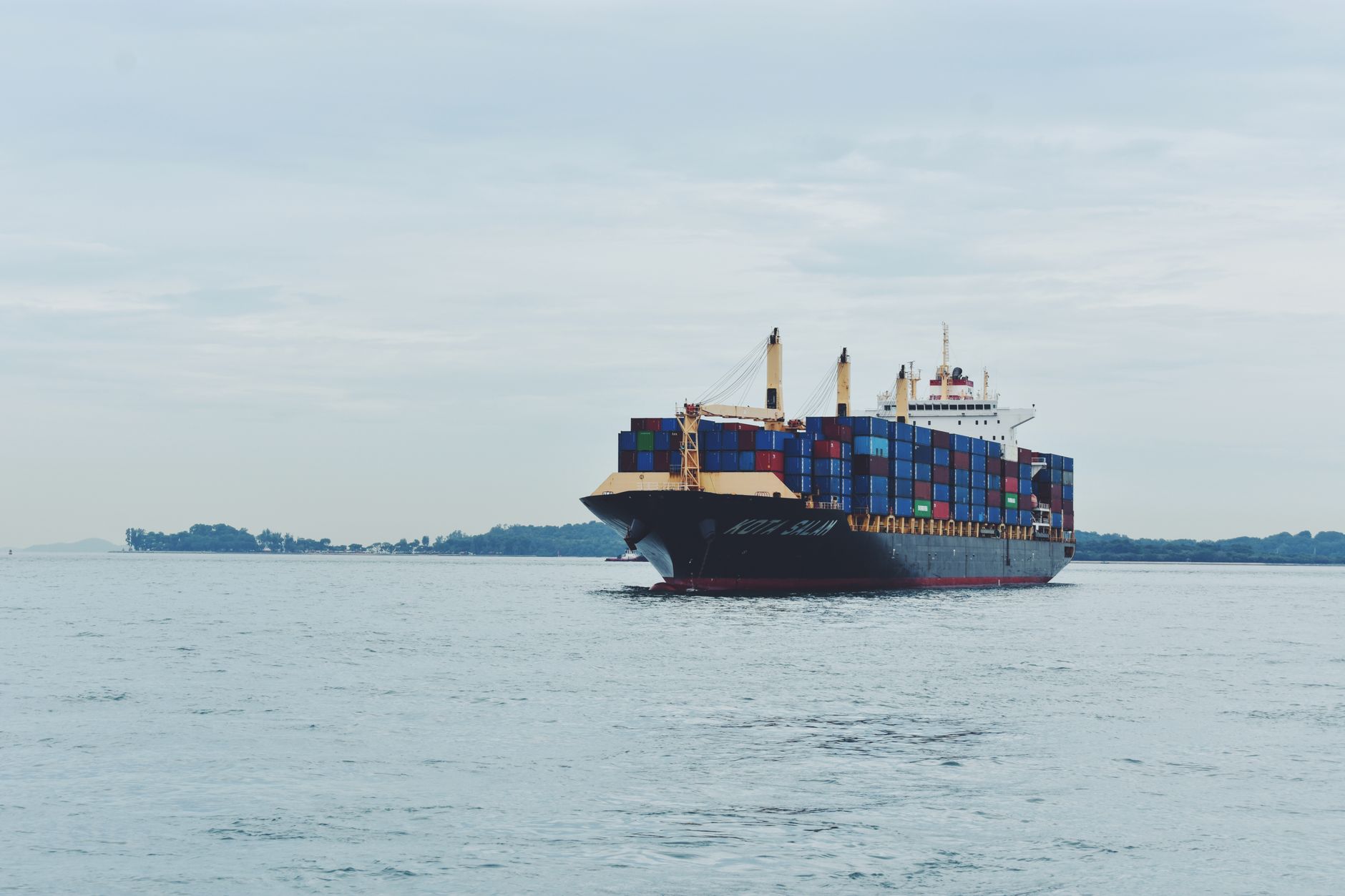
Front one: warships. Under Operation Urja Suraksha ("Energy Security"), the Indian Navy deployed frigates INS Shivalik and INS Nanda Devi to escort fuel tankers through the Gulf of Oman. The first convoy carried 92,700 metric tonnes of LPG. By late March, Indian warships had shepherded multiple petroleum tankers through waters that most commercial vessels won't enter unescorted. Pakistan launched parallel escort operations — two rival nuclear powers cooperating on the one thing they agree matters: keeping the lights on. Front two: the excise cut. On March 27, Delhi slashed Special Additional Excise Duty on petrol from ₹13 to ₹3 per litre. Diesel duty went to zero. The move doesn't lower prices at the pump — it absorbs the pain that oil marketing companies were haemorrhaging at ₹15 per litre in losses. Without it, state-owned refiners would have either collapsed or been forced to pass $113 oil straight onto 1.4 billion consumers ahead of elections in four states. Front three: the Russia pivot. Indian refiners have dramatically reversed course on Russian crude purchases. After scaling back Russian imports under US pressure in early 2026, the Hormuz crisis forced an about-face. March imports from Russia are expected to hit 60 million barrels — roughly 2 million barrels per day — and could reach 40% of India's total crude intake. Russia had 9.5 million barrels sitting in vessels near Indian waters, ready to redirect within weeks.Why it's working (so far)
The numbers tell the story. India now routes 70% of its crude imports outside the Strait of Hormuz, according to its Ministry of Petroleum. It has secured roughly 60 days of oil supply. It's not just surviving — it's supplying neighbours. Sri Lanka received 38,000 metric tonnes of fuel. Nepal and Bhutan continue receiving uninterrupted deliveries. India is sending 40,000 metric tonnes of diesel to Bangladesh by April.
The State Bank of India estimates that if oil holds near $100, GDP growth drops to 6.6% and inflation rises to 4.1%. At current prices above $113, the picture is grimmer. But the alternative — doing nothing — would have been catastrophic. India's cooking gas crisis saw black market cylinders selling at 4x normal prices just three weeks ago.
February food inflation hit 3.47%. The real fear is what comes next: 60% of India's ammonia — the building block of fertiliser — comes from Saudi Arabia and Oman. "Input costs for farmers will go up, and we will see food inflation," warned Arnab Basu of PwC India. "That will have a direct impact on growth."
The framing gap
The Albis Perception Gap Index scored India's oil crisis response at 5.7, with the sharpest divergence between South Asian and Western coverage. Hindi-language media framed the excise cut as a "masterstroke" and "historic reduction." Navy escort operations were presented as national strength. The Russia pivot was positioned as strategic adaptation.
English-language outlets barely mentioned any of it.
When Western media covers India's energy situation at all, it appears as a line item in broader commodity reports — "emerging markets face pressure" — not as the story of how 1.4 billion people are navigating the worst energy crisis since 1973. The Guardian ran a powerful dispatch from Delhi's gas queues. Reuters covered the Russian crude surge. But the three-front strategy as a coherent response? That story lives almost entirely in Hindi and Indian English media.
G Krishnakumar, former chairman of Bharat Petroleum, put it bluntly at a Business Today summit: "This is the biggest crisis the world has faced since the 1973 oil crisis. We have mitigated it fairly well so far, but we need to do much more." India is short 25 to 30 LPG cargoes. It has just 20 days of cooking gas reserves — against a global norm of 40 to 60 days.
What's next
The gap between "working" and "sustainable" is about six weeks. April brings the kharif planting season. Farmers need fertiliser. Fertiliser needs ammonia. Ammonia needs Gulf shipping. If Hormuz stays constrained through May, the crisis moves from gas queues to food prices — and that's a problem no excise cut can fix.
India's response has been fast, creative, and largely invisible to the world. That invisibility matters. When the G7 met last week to discuss the oil crisis it can't fix, India wasn't at the table. The world's third-largest energy consumer, running warships through contested waters to feed 1.4 billion people, didn't warrant a mention in the communiqué.
Maya Rani eventually got her gas cylinder. Millions of others are still waiting.
Add context
Know something useful about this story?
Albis is built for public understanding. If you have a source, lived experience, or a missing angle, you can add context for others.
Share context →Sources & Verification
Based on 5 sources from 3 regions
- The GuardianEurope
- BloombergInternational
- ReutersInternational
- Times of IndiaSouth Asia
- India TodaySouth Asia
Conversation
What are you seeing?
Add local context, a source, a question, or a perspective we may have missed. You can comment as a guest or create a free account.
Loading conversation…
Get the daily briefing free
News from 7 regions and 16 languages, delivered to your inbox every morning.
Free · Daily · Unsubscribe anytime
🔒 We never share your email