Pentagon Kharg Island Ground Raid Plans Leaked 2026
The Washington Post reported Pentagon ground raid plans for Iran's Kharg Island oil hub. Seven regions read the same leak and saw seven different wars.

The Pentagon is preparing options for weeks of ground operations in Iran, including seizing Kharg Island — the hub for 90% of Iran's oil exports. The Washington Post broke the story on March 28. It spread to every region on Earth. The same plans produced seven different wars depending on where you read them. The Albis Perception Gap Index scored it 7.6 — the most divergent story of the day.
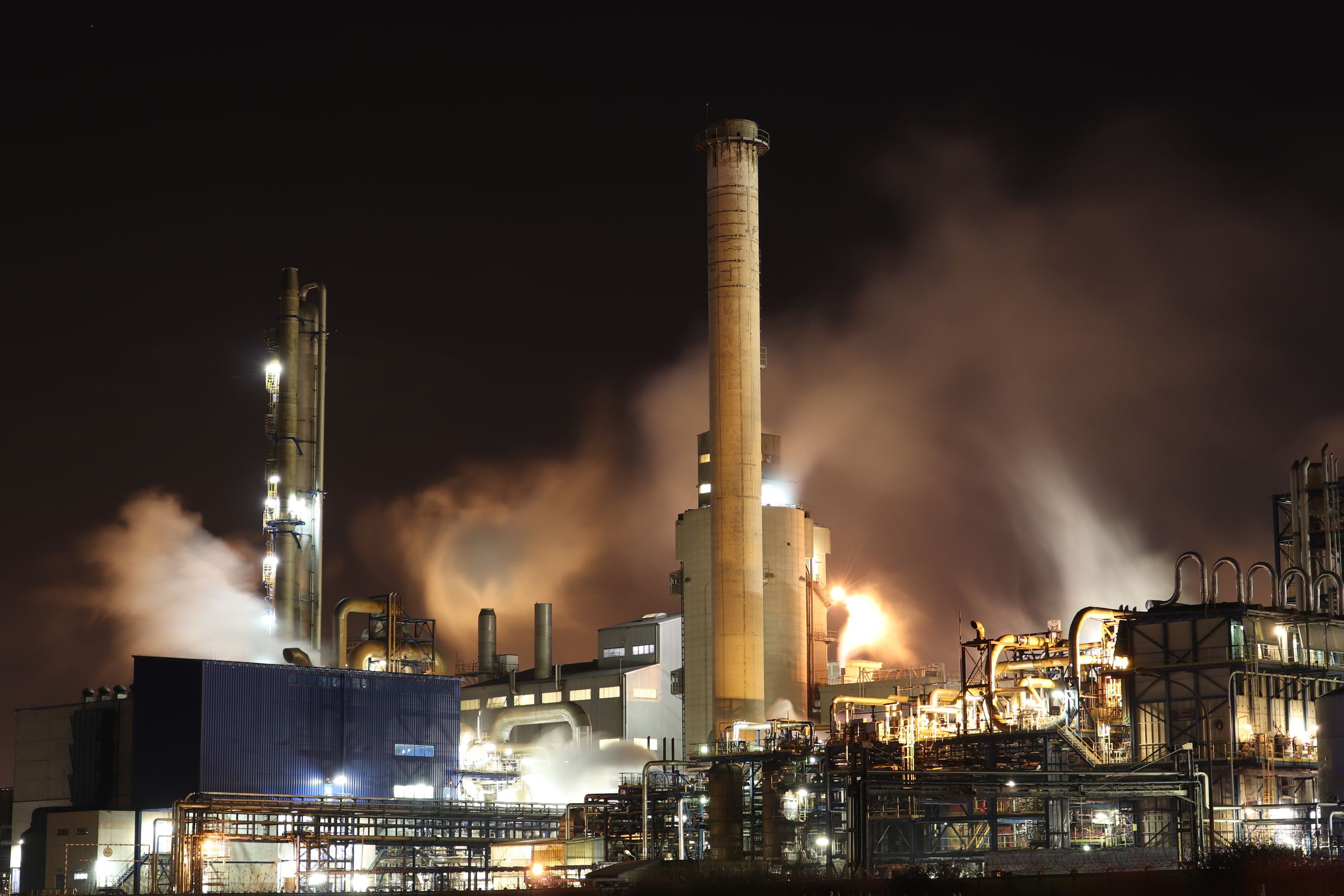
One leak. Seven readings. The WaPo reported the Pentagon is preparing ground raids on Iranian oil infrastructure, with Kharg Island — a rocky outcrop 25km off Iran's coast handling 950 million barrels of crude per year — as the centrepiece. Within hours, the document landed in newsrooms from Washington to Tehran to Beijing. What happened next is a case study in how the same facts become different wars.
The American version: "Maximum optionality"
CNN, WaPo, and Reuters framed the plans as contingency options — one menu item among many Trump hasn't ordered. Press secretary Karoline Leavitt told reporters: "It's the job of the Pentagon to make preparations in order to give the commander-in-chief maximum optionality." The WSJ and Axios reported the Pentagon was also considering 10,000 more troops and a broader bombing campaign.
The key word in US coverage: "preparing." Not executing. Not deciding. Preparing. The frame is a responsible military bureaucracy doing its job. A former defence official told India Today: "This is not last-minute planning. It's been war-gamed."
The Iranian version: "Delusional — but we're ready"
Iranian media pulled an unusual dual stance. Speaker Qalibaf's statement, marking 30 days of war, led with an accusation: "The enemy signals negotiation in public, while in secret it plots a ground attack." That accusation — bad faith — was the Farsi headline. The fiery threat came second.
"Our forces are waiting for the arrival of American troops on the ground to set them on fire and punish their regional partners forever," Qalibaf said, per PBS and Iranian state media.
But Farsi outlets simultaneously ran analysis dismissing ground invasion as fantasy. A Turkish analyst on Tasnim called occupying Iran with 2,500 soldiers "a delusion." An IRGC spokesman told Rokna that "the sharks of the Persian Gulf are waiting for American soldiers." Iranian media holds both positions: it can't happen, and if it does, they'll burn.
The Arabic version: "The final blow"
Al Jazeera Arabic filed it under "The US-Israeli war on Iran" — not "the Iran war," reversing the aggressor-victim frame. Euronews Arabic headlined it "the final blow." Saudi outlet Okaz asked: "Full invasion or limited ground operation?" News50 called it "Washington's plan to militarily strangle Iran."
Arabic media treats the ground plans as credible and imminent — the opposite of Iranian dismissal. The leak reads not as contingency planning but as a signal: the air campaign failed. Washington's escalating. The same WaPo reporting US outlets frame as bureaucratic preparation, Arabic outlets frame as proof of bad faith — exactly Qalibaf's accusation.
The Chinese version: "Energy strangulation"
Chinese media read the same leak through a different lens: energy. Sina reported 3,000 airborne troops and detailed Kharg Island as the source of 90% of Iran's oil exports. Bannedbook's headline: "Just waiting for Trump's nod." The angle wasn't military — it was economic.
Chinese coverage frames the Hormuz crisis as "energy strangulation" targeting Asian economies. China depends on Hormuz for about half its crude and a third of its LNG, per the WEF. Japan, per BBC Chinese, has three weeks of LNG left. A ground operation on Kharg isn't a military story in Beijing. It's an energy emergency.
The Indian version: "The final blow" — with maps
India Today ran the most detailed tactical breakdown: four scenarios including seizing Kharg, targeting Larak Island near Hormuz, capturing Abu Musa, and intercepting Iranian oil shipments. NDTV described "raids near Strait of Hormuz, seizure of Kharg Island."
Hindi media offered an angle absent from English coverage. News18 Hindi explicitly connected Pakistan's frantic push for peace talks in Islamabad to Pakistan's triple crisis — fuel, food, and medicine prices up 500%. The ground invasion and peace talks aren't separate events in Hindi coverage. They're two ends of the same rope.
The Russian version: "Seizure of the oil island"
Russian outlets ran the WaPo reporting fairly straight, with a critical shift. Hvylya.net led with "seizure of the oil island and control of the Strait of Hormuz" — framing it as a resource grab, not a military operation. Inforesist stressed the IRGC was using oil infrastructure as human shields.
Meduza described "black sky and oil rain" and residents speaking of "apocalypse and hell" — the most visceral civilian-impact description in any language. Russian media frames the war through both energy opportunity (Moscow profits from high oil prices) and human cost.
What each version leaves out
Every framing has a blind spot. US coverage says "contingency planning" without exploring what seizing Kharg would mean for Asian energy markets. Arabic coverage reads bad faith without admitting contingency plans are standard. Chinese coverage focuses on energy without covering military risks to US troops. Iranian coverage dismisses the possibility while issuing threats that assume it's possible.
The biggest gap: the connection between the ground plans and Pakistan peace talks. Four foreign ministers met in Islamabad to discuss a diplomatic offramp the same week. Almost no outlet covers both as a single story. They're either a diplomatic moment or a military escalation. Rarely both.
PGI 7.6. On a scale where 10 means completely different realities, the world's reading nearly eight different wars from one leaked document. The US-Middle East pair scores 8.5 — the widest gap. The same WaPo reporting is responsible journalism in Washington and warmongering in Cairo.
Brent closed at $116.50 on Friday, on track for the largest monthly gain in history. Every version of this story is about oil. They just don't all know it.
This story was scored by the Albis Perception Gap Index — measuring how differently the world frames the same events. See today's most divided stories →
Add context
Know something useful about this story?
Albis is built for public understanding. If you have a source, lived experience, or a missing angle, you can add context for others.
Share context →Sources & Verification
Based on 5 sources from 0 regions
Conversation
What are you seeing?
Add local context, a source, a question, or a perspective we may have missed. You can comment as a guest or create a free account.
Loading conversation…
Get the daily briefing free
News from 7 regions and 16 languages, delivered to your inbox every morning.
Free · Daily · Unsubscribe anytime
🔒 We never share your email