The Sanctions Gap You Probably Missed: Washington Quietly Let More Russian Oil Through
A U.S. waiver allowing Russian oil already at sea to be delivered and sold was widely discussed across non-English outlets, but barely broke through as a major English-language story.
The license landed late on a Friday: Russian crude already loaded onto tankers could keep moving, keep unloading and keep being sold until May 16. In sanctions language, it looked technical. In oil-market language, it was enormous.
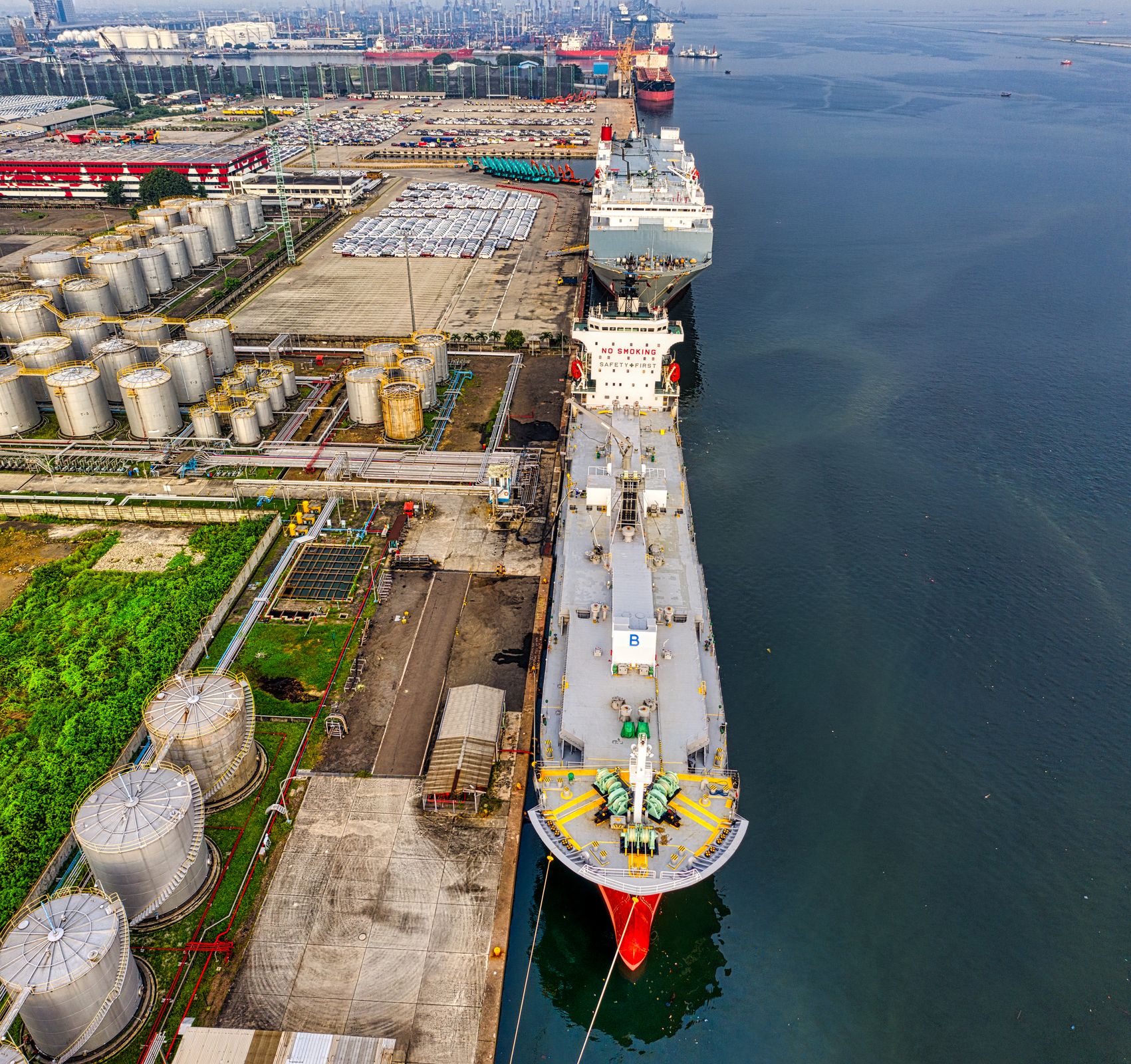
What Washington renewed was a waiver for Russian oil and petroleum products already at sea — a short-term authorization that effectively softened the edge of sanctions at the very moment Western governments were still publicly describing pressure on Moscow as firm. Reuters reported that the Trump administration renewed the waiver on April 18, allowing countries to buy sanctioned Russian oil at sea for about another month. Deutsche Welle, citing the U.S. license, said the authorization covers Russian oil loaded on vessels as of April 17 and runs through May 16.
Outside the English-language mainstream, that move did not read like a minor paperwork update. Spanish-language outlets framed it as a geopolitical reversal. Russian-language coverage treated it as proof that market realities were outranking public rhetoric. The issue ricocheted through European and Latin American news ecosystems because it touched three live nerves at once: the war in Ukraine, the Iran war’s effect on energy prices, and the credibility of Western sanctions policy.
Inside English-language news, the story existed. Reuters had it. A handful of specialist and market-focused outlets followed. But it never really became a broad public story. That gap matters because the decision was not symbolic. Reuters later reported that Kremlin envoy Kirill Dmitriev said the new extension would affect another 100 million barrels of Russian oil, bringing the total volume covered by the two waivers to 200 million barrels.
That is not small.
The administration’s stated logic was energy stability. DW reported that the waiver came as an easing measure to control global energy prices after the Iran war disrupted markets. Oil had surged as the Strait of Hormuz became unstable, insurers recalculated risk and traders tried to guess whether supply interruptions would deepen. In that context, letting already-shipped Russian oil reach buyers helped reduce the chance of another price shock.
But sanctions are not just about barrels. They are about signalling.
For European officials and commentators, the contradiction was hard to ignore. On one side was the repeated Western claim that Russia’s oil revenues should be constrained because they help finance the war in Ukraine. On the other was a U.S. license that gave a defined stream of Russian cargoes legal room to clear the system. Euronews in Spanish cast the move bluntly, saying Washington had turned its back on the European Union by extending the exemption another month. The phrasing was sharper than typical English wire copy, but it captured the political meaning many non-English readers were taking from the decision.
Latin American coverage did something similar. Infobae focused on the mechanics of the Office of Foreign Assets Control license, but the implication was obvious: the United States had carved out an exception for maritime transactions involving Russian crude and refined products at a moment when sanctions were supposed to be tightening, not loosening.
The result is an information blind spot. English-language audiences tend to see sanctions as either on or off, strict or weak. In reality, modern sanctions regimes are full of valves, grace periods, carve-outs and temporary permissions. Those details often decide whether pressure is actually biting. This one did.
The timing made it more consequential. Just two days earlier, Treasury Secretary Scott Bessent had said there were no plans to extend the sanctions relief, according to DW. Then the extension came anyway. That reversal turned a technical move into a political one. It suggested that when energy prices and geopolitical stress collide, even headline sanctions policy can bend.
That does not mean sanctions are collapsing. It means markets still have veto power. Russian oil volumes remain large enough that the United States, however reluctantly, appears unwilling to test a sudden disruption while Middle East supply risk is still unresolved. Reuters summed up the Kremlin’s response neatly: you cannot ignore Russia’s oil volumes.
That is the part much of the English-language feed missed. Not the existence of the waiver, but its meaning. A sanctions regime is only as hard as the exceptions it makes under pressure. This exception was made in public, written into license text and echoed across non-English outlets that treated it as a serious shift.
If you only followed the big English homepages, you could easily miss that one of the West’s core pressure tools on Moscow had just been loosened again — not with a speech, not with a summit, but with a shipping waiver released after dark.
Add context
Know something useful about this story?
Albis is built for public understanding. If you have a source, lived experience, or a missing angle, you can add context for others.
Share context →Sources & Verification
Based on 5 sources from 3 regions
- ReutersGlobal
- ReutersGlobal
- Deutsche WelleEurope
- InfobaeLatin America
- Euronews en EspañolEurope
Conversation
What are you seeing?
Add local context, a source, a question, or a perspective we may have missed. You can comment as a guest or create a free account.
Loading conversation…
Get the daily briefing free
News from 7 regions and 16 languages, delivered to your inbox every morning.
Free · Daily · Unsubscribe anytime
🔒 We never share your email