China Ties AI Compute to Energy Security as Trust Split Widens
Chinese coverage is linking artificial intelligence to grid capacity and industrial policy, while U.S. and European scrutiny stays focused on chips, security and access.
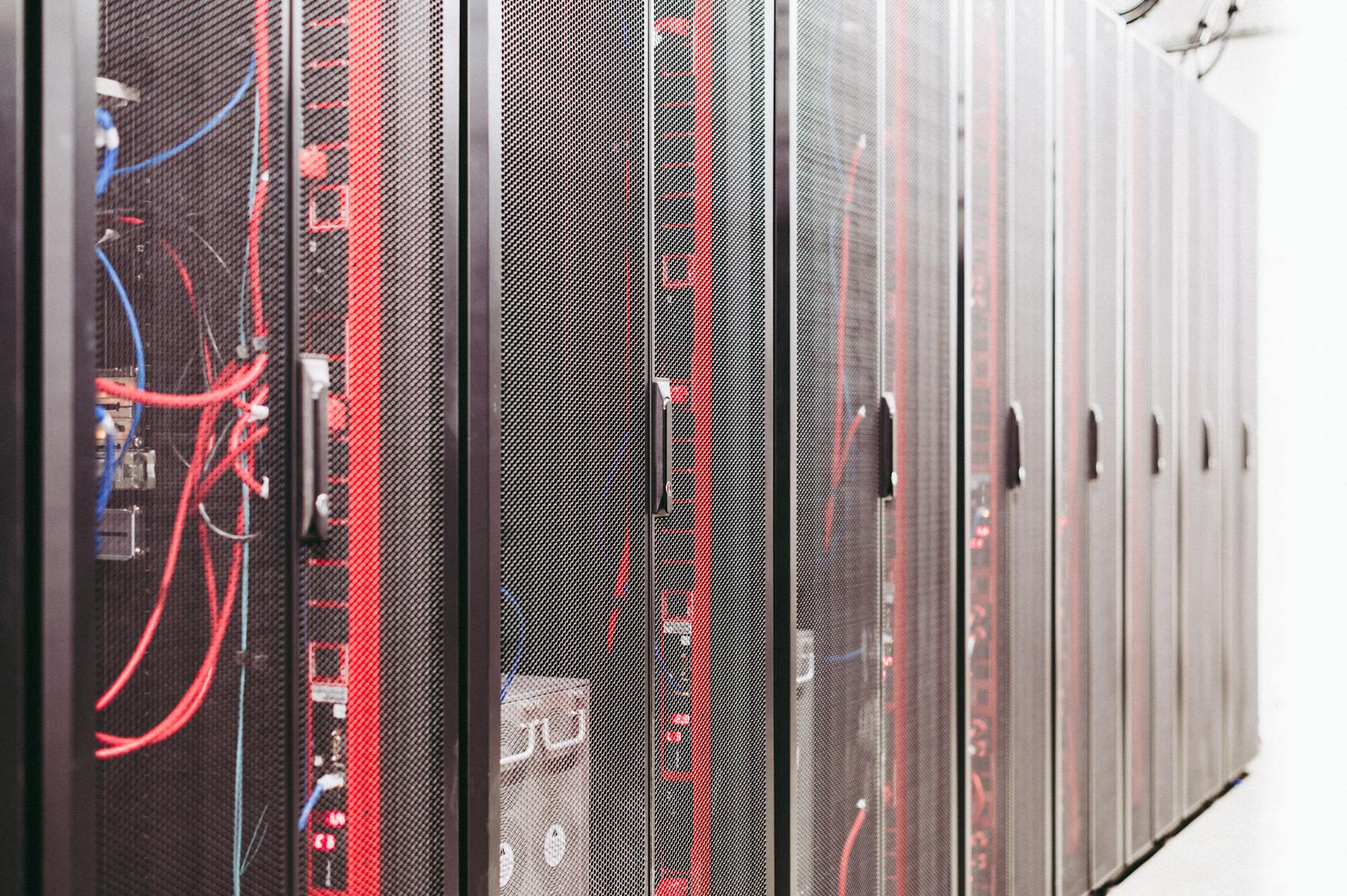
Artificial intelligence is becoming a power-sector story in China, where state and business coverage is increasingly treating compute capacity as inseparable from energy security, according to the April 7 Albis scan.
That framing marks a clear split with how the same contest is usually covered in Washington and Brussels. In the United States, the argument still centers on chips, model performance and export controls. In Europe, regulators and privacy watchdogs have focused more heavily on sovereignty, safety and the legal limits of AI deployment.
In China, the question is broader: who has enough electricity, cooling and industrial coordination to keep AI systems running at scale.
The split has sharpened as scrutiny of Chinese AI firms has widened. Reuters reported in January that governments and regulators were increasing oversight of DeepSeek over security policies and privacy practices. Reuters also reported in February that DeepSeek withheld a new model from U.S. chipmakers including Nvidia and AMD, according to sources, giving Chinese chip firms a head start on optimisation.
Those developments fed a familiar U.S. narrative of strategic competition. They also fit a European narrative in which AI is a governance problem as much as a commercial one.
The Chinese framing captured in the scan moves in another direction. It links compute to grid build-out, data-centre capacity and long-term industrial strength. In that view, AI is not just software. It is a heavy user of power, land, semiconductors, cooling water and transmission capacity.
That sounds technical, but it reaches into jobs and public spending. A province that can guarantee reliable electricity and build data infrastructure can attract investment. One that cannot may fall behind in both AI services and the industries expected to use them.
The political language also changes with geography. In Washington, an AI bottleneck is often described as a national-security issue or a setback for chip firms. In Chinese coverage, according to the scan, the same bottleneck is closer to a national-capacity issue, where power supply and industrial planning determine who participates in the next round of growth.
Europe sits between those positions. The continent wants AI capability, but it also wants rules. Reuters reported in January that Italy had closed a probe into DeepSeek after the company offered commitments to improve disclosures around hallucination risks. That is a regulatory instinct rather than an industrial one.
The result is a three-way divergence. U.S. policy asks who gets the best chips. European policy asks under what safeguards systems can run. Chinese policy, as reflected in domestic framing, asks whether the grid and industrial base can support the whole stack.
Ordinary users may not describe the issue that way, but they will feel it through access and price. If compute clusters are treated like strategic infrastructure, governments will shape where AI services are built, which firms get priority and how much those services cost. Workers, students and smaller companies may end up with very different tools depending on which national model they live under.
The regional absences in the scan are also telling. The Middle East, South Asia, Latin America and Africa were not part of the main framing mix even though all four regions are potential AI markets and, in some cases, energy-constrained ones. That leaves the debate dominated by countries building the systems rather than those likely to import them.
For investors and policymakers, the next markers are straightforward. Watch power demand from data centres, approvals for new energy projects, chip-access rules and any new restrictions around Chinese AI services abroad. The contest is no longer only about smarter models. It is also about who can keep the lights on when those models scale.
Company Daily Scan
Track stories like this for your company.
Albis can turn the same global scan into a private daily briefing for your sector, regions, risks, and watchlist.
See how the company scan works →Sources for this article are being documented. Albis is building transparent source tracking for every story.
Get the daily briefing free
News from 7 regions and 16 languages, delivered to your inbox every morning.
Free · Daily · Unsubscribe anytime
🔒 We never share your email
Related Stories
China blocks Meta’s proposed takeover of AI developer Manus

China’s new five-year planning push doubled down on AI, quantum, 6G, humanoid robotics, and other frontier technologies