Korea’s Chip Industry Faces a New Risk: Energy and Materials
South Korean analysts say the Middle East conflict is no longer only an oil story, with helium, bromine and power costs now threatening chip and cloud infrastructure.
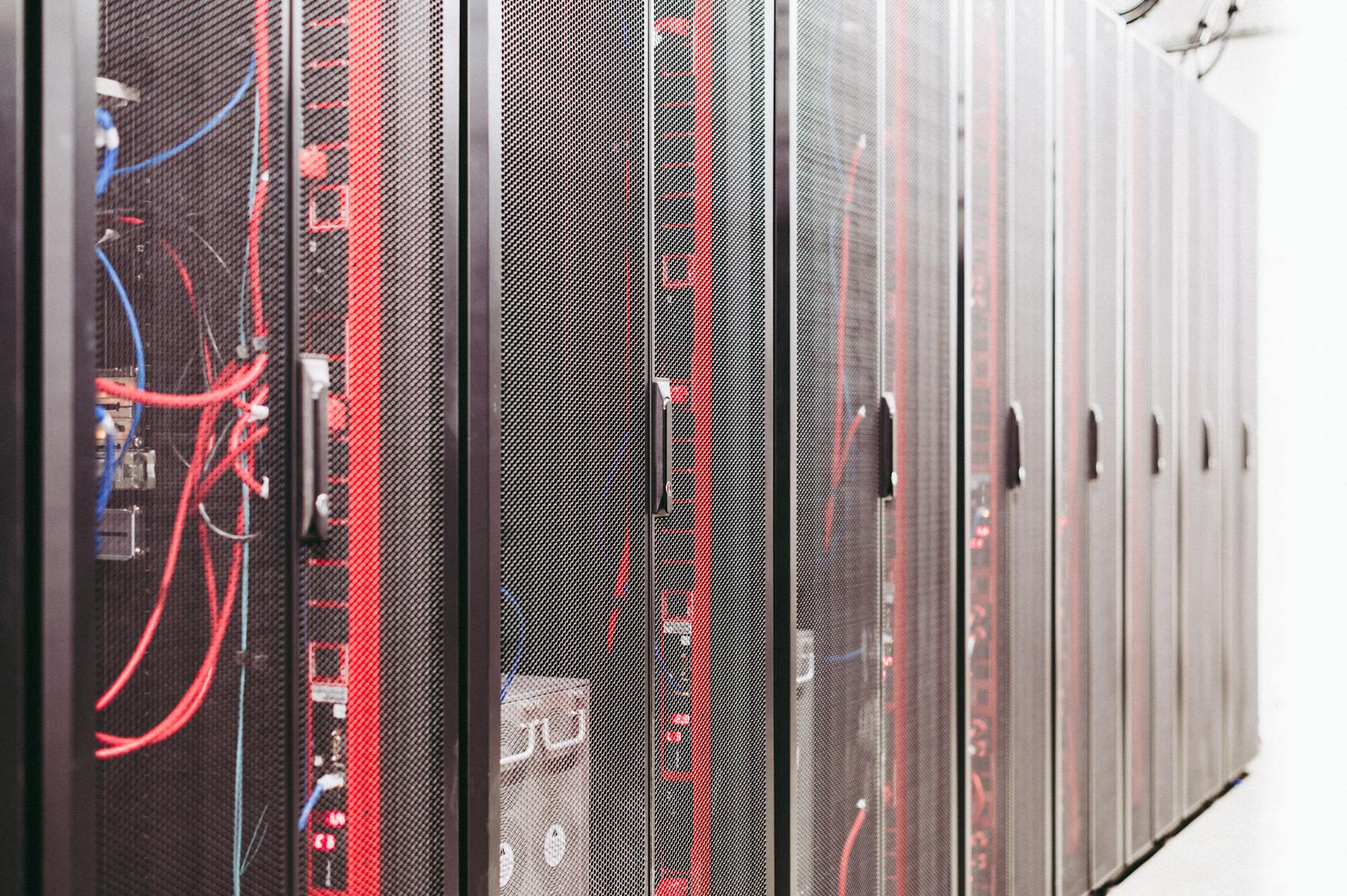
About 70% of South Korea’s crude oil imports come from the Middle East, and analysts say the same disruption is now threatening supplies of semiconductor materials including helium and bromine, according to an April 1 report by the Dong-A Ilbo.
The paper said the conflict involving the United States, Israel and Iran exposed how heavily South Korea still relies on Middle Eastern energy and raw materials. It reported that disruptions to crude oil, naphtha, urea and aluminum had already raised broader supply-chain concerns, while prolonged shortages of helium and bromine could affect semiconductors, one of the country’s most important industries.
That matters beyond factories. The April 8 Albis scan found Korean coverage framing the crisis as a data-center and chip supply problem, while much U.S. reporting continued to treat it primarily as a foreign policy and shipping story. In Seoul, higher energy and materials costs threaten a manufacturing base that sits behind AI servers, cloud contracts and device production.
The Dong-A Ilbo said South Korean refineries and petrochemical plants are optimized for heavier Middle Eastern crude, which makes a rapid switch to lighter grades more difficult. Even where alternative suppliers exist, the paper said companies may struggle to secure them quickly or at workable prices.
Those constraints are landing at a moment when memory demand is already tight. Reporting in Korean business media in recent weeks has described a persistent shortage in high-bandwidth memory, or HBM, the chips used in AI accelerators. Search results reviewed by Albis showed Korean tech coverage treating hardware scarcity as a core economic issue, not a niche industry problem.
That is because cloud expansion depends on a long chain of inputs. Data centers need electricity, cooling systems and servers. Servers need advanced memory and a stable flow of chemicals and gases. If energy costs rise while raw materials tighten, operators can face higher build costs and longer deployment times even before any direct physical shortage occurs.
The Dong-A Ilbo said analysts expect disrupted supply chains to take months or years to recover. That warning points to a slower type of tech shock than the one investors usually price. A missile strike can close a shipping lane overnight, but a materials bottleneck can push back factory output quarter after quarter.
The framing gap is wide. In Washington, the issue can look like an inconvenience for AI companies or another point in a strategic contest over advanced computing. In South Korea, it is tied to export earnings, employment and the continuity of a sector that anchors national economic security.
The country has some room to diversify. The Dong-A Ilbo said U.S. oil imports have risen over the past nine years, though they still account for less than 20% of the total, and crude from Vietnam, Malaysia and others makes up around 10%. Analysts quoted by the paper said the government should back efforts to broaden sourcing even if costs are higher.
That does not solve the near-term risk. If the energy shock persists, power-intensive manufacturing becomes more expensive at the same time as global AI demand remains strong. The result could be pricier cloud services, delayed hardware deliveries and sharper competition for advanced memory.
The next signals are likely to come from company guidance, material procurement trends and any government support package aimed at stabilizing imports. For now, Korean reporting suggests the Middle East conflict has already crossed into the chip economy, even if much of the outside world is still talking about oil alone.
Company Daily Scan
Track stories like this for your company.
Albis can turn the same global scan into a private daily briefing for your sector, regions, risks, and watchlist.
See how the company scan works →Sources for this article are being documented. Albis is building transparent source tracking for every story.
Get the daily briefing free
News from 7 regions and 16 languages, delivered to your inbox every morning.
Free · Daily · Unsubscribe anytime
🔒 We never share your email


