EU sanctions two Russian entities over alleged disinformation links
The move widens the sanctions front into information operations, showing Europe still sees narrative infrastructure as strategic terrain.
Loading…
Headlines, analysis, and in-depth reporting from around the world.

The move widens the sanctions front into information operations, showing Europe still sees narrative infrastructure as strategic terrain.

Restored pipeline flows affect central European energy security, Russian export routes, and EU financial bargaining with Kyiv.

Re-engagement with Venezuela changes the country’s diplomatic-financial outlook and signals a meaningful shift in international access.

Territorial advances in Ukraine continue to reshape Europe’s security balance regardless of attention shifts to the Middle East.

The waiver shifts real energy flows, supports Indian refining supply, and signals a softer enforcement lane in the sanctions regime.

President Joseph Aoun has named a formal Lebanese delegation to handle negotiations with Israel, creating a state channel even while the ceasefire remains fragile.
Crude fell on renewed hopes for U.S.-Iran diplomacy, but tanker flows, insurance costs, and refinery planning still point to a supply system under strain.
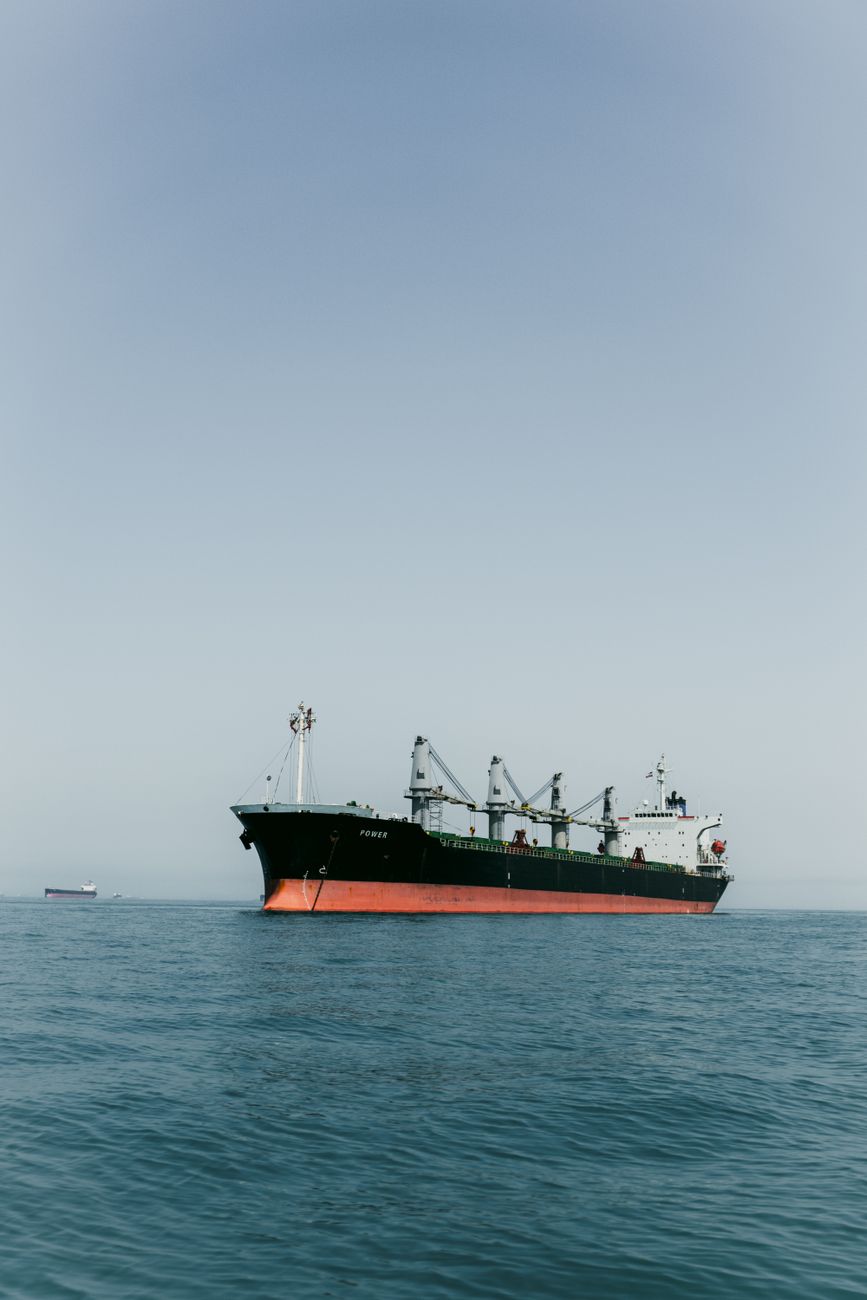
Tankers are moving again through the Strait of Hormuz, yet insurers, shipowners, and governments are still treating the corridor as unstable rather than restored.
Islamabad is trying to turn a two-week ceasefire into longer talks while a vessel seizure and mutual accusations threaten to unravel the opening.
Even a narrow waiver changes the practical force of sanctions and affects energy trade, war financing, and allied political cohesion.
Concrete protocol progress in eastern DRC could improve civilian protection and aid delivery in one of the world’s most consequential undercovered conflicts.
A failed reopening at Hormuz keeps a core global energy chokepoint unstable and prolongs inflationary and supply-chain risk worldwide.