Chad Moves Sudan Refugees Inland as Border Risks Grow
Chad has started moving Sudanese refugees away from the border as fighting and supply shortages deepen pressure on camps and host communities.
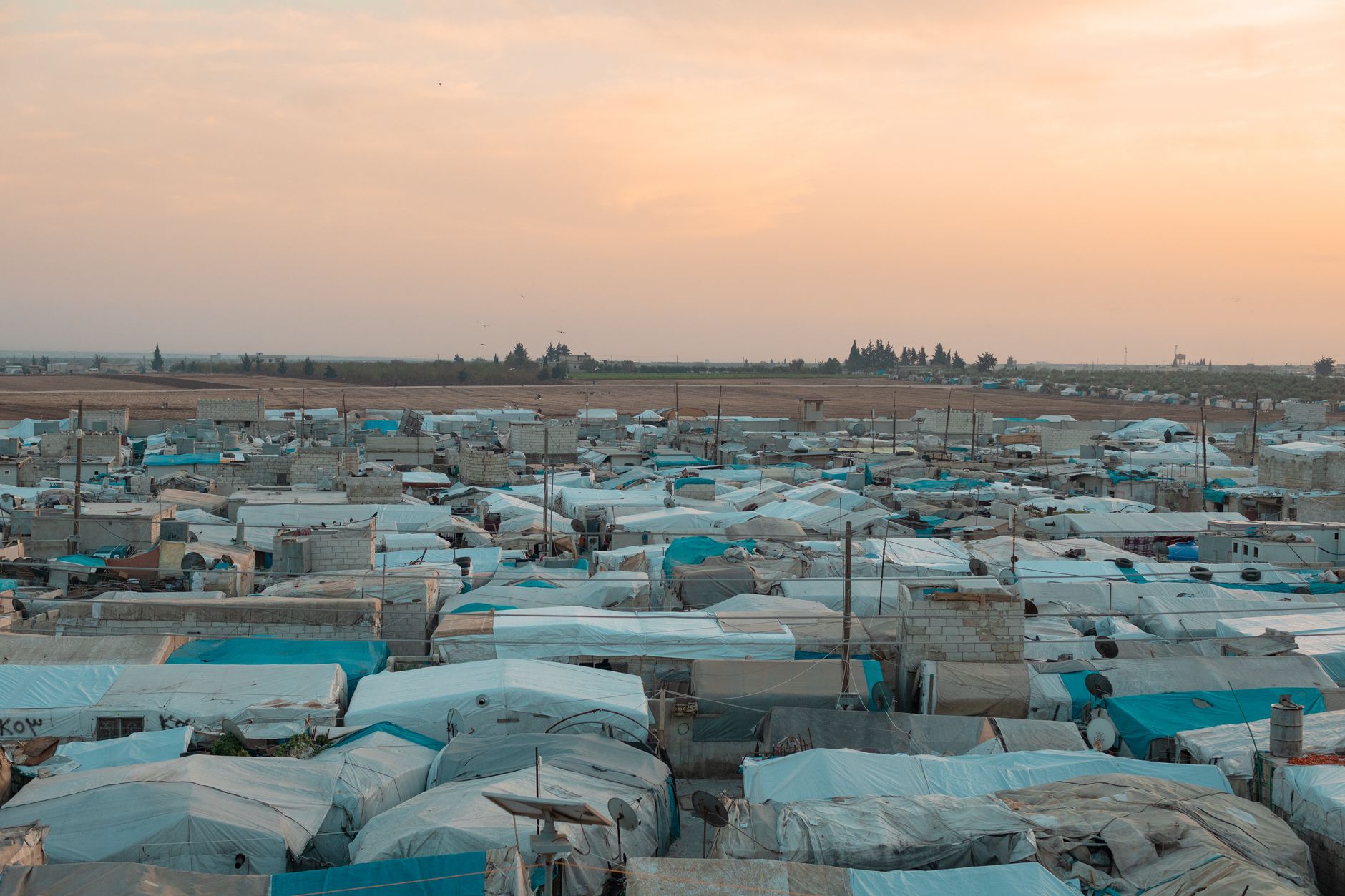
Chad has begun relocating Sudanese refugees away from its eastern border, according to humanitarian updates cited in regional and Western coverage, as the war in Sudan pushes more civilians into camps that aid groups say are already overstretched.
The movement reflects a second year of spillover from Sudan’s conflict into neighboring states. Aid agencies and officials have said camps near the border face rising security risks, poor sanitation and pressure on food and water systems as new arrivals continue.
African coverage has treated the relocations as a frontline social emergency. Reports centered on shelter, school access and the strain on host communities that have absorbed repeated waves of displacement since fighting broke out in Sudan. European and U.S. reports also noted the transfers, but more often placed them inside broader conflict or donor updates.
That difference shapes what the story looks like. In N’Djamena and eastern Chad, the issue is buses, tents, boreholes and how to keep families safe through the next month. In Washington and Brussels, it is more often a humanitarian line item attached to a wider diplomatic crisis.
The United Nations has previously said Chad hosts one of the region’s largest refugee populations, with Sudanese families crossing the border alongside Chadian returnees. Humanitarian agencies have warned that sites close to the border leave civilians vulnerable to renewed violence, armed movement and disruption to aid deliveries.
Aid workers quoted by international agencies have said inland relocation can reduce immediate security threats, but it also creates new logistical demands. More land must be prepared, more health services set up and more food moved over longer distances. In a region where roads are poor and funding is uncertain, each transfer adds cost.
The pressure is not limited to new arrivals. Host communities in eastern Chad have reported heavier competition for water, firewood and basic goods, according to aid assessments. Local schools and clinics have also taken on more people than they were built to serve.
African reporting has tended to keep those daily burdens in the foreground. Some outlets framed the crisis through women collecting water, volunteers distributing meals and local officials trying to register families before nightfall. Western coverage, by contrast, more often emphasized conflict diplomacy, cross-border instability and the scale of the refugee totals.
The relocations come as attention to Sudan remains uneven. The war has produced repeated warnings from aid groups about famine risk, disease outbreaks and collapsed civilian infrastructure, but those warnings have often struggled to compete with coverage of larger geopolitical crises elsewhere.
That imbalance matters to operations on the ground. Agencies working in Chad rely on sustained funding to build new shelters, move supplies and keep protection services running. When headlines move on, camp conditions do not.
Chadian authorities have not presented the relocations as a permanent solution. Aid groups say inland sites can offer more protection than exposed border camps, but only if services follow quickly. Families moved without enough food, water points or medical care can face a different form of danger.
The transfer effort also highlights how Sudan’s war is no longer contained within Sudan. The conflict is reshaping border economies, aid budgets and public services across central Africa. For host governments with limited fiscal room, each new convoy of displaced people brings another round of hard choices.
U.S. and European reports said humanitarian officials remain concerned about funding gaps. African coverage has been blunter, describing the crisis as one local communities are already carrying with or without foreign attention.
Relocation work is expected to continue in the coming days as authorities and aid agencies assess camp capacity farther inland and prepare additional reception sites before the next influx from Sudan’s border zones.
Add context
Know something useful about this story?
Albis is built for public understanding. If you have a source, lived experience, or a missing angle, you can add context for others.
Share context →Sources for this article are being documented. Albis is building transparent source tracking for every story.
Conversation
What are you seeing?
Add local context, a source, a question, or a perspective we may have missed. You can comment as a guest or create a free account.
Loading conversation…
Get the daily briefing free
News from 7 regions and 16 languages, delivered to your inbox every morning.
Free · Daily · Unsubscribe anytime
🔒 We never share your email


