Cuba's Blackouts Turn Into a Governance Test
Nationwide grid failures and rolling cuts of up to 15 hours a day have pushed Cuba's energy crisis into the streets and onto the government's political balance sheet.
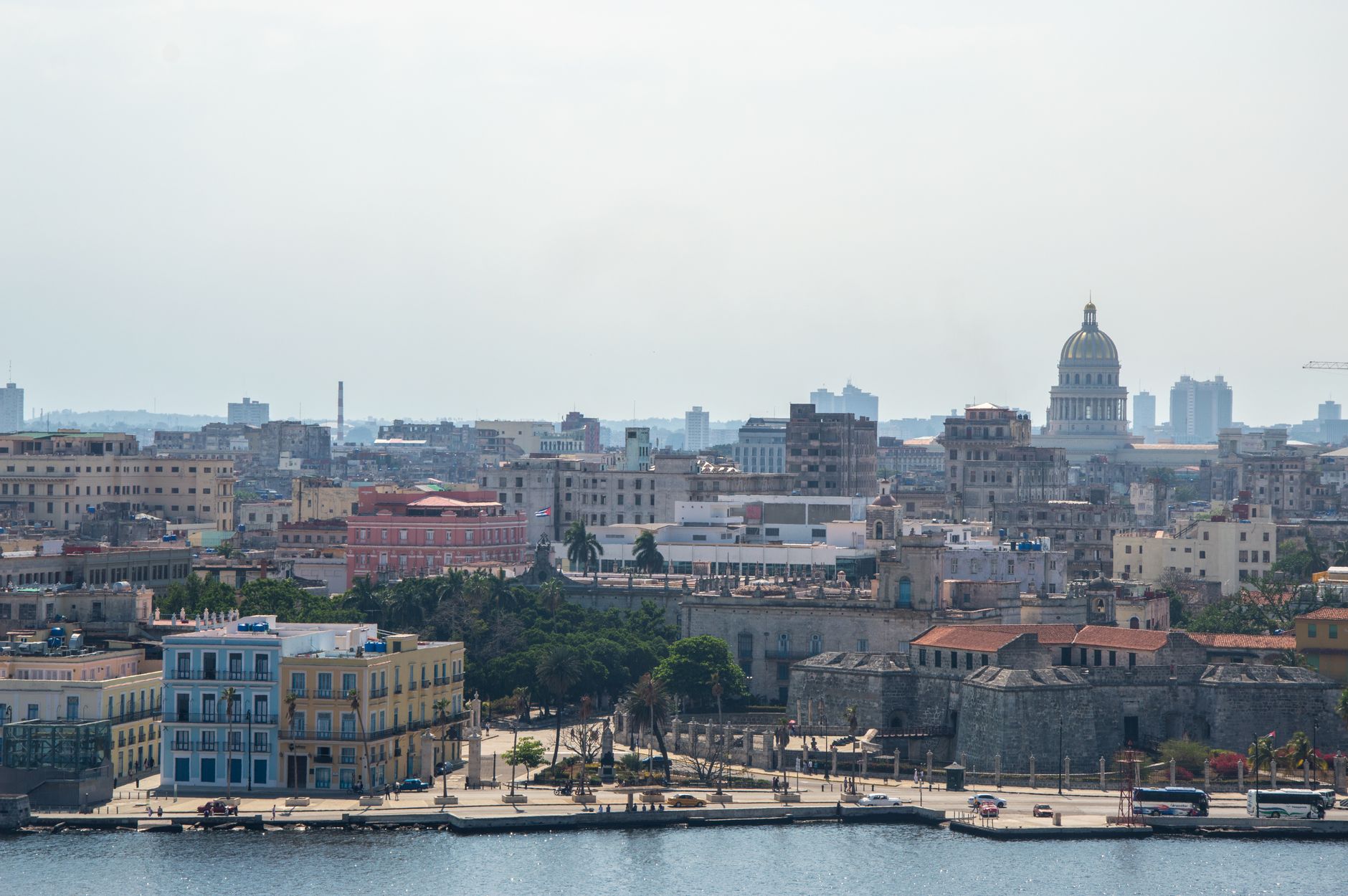
More than 10 million people lost power when Cuba’s national electrical grid collapsed for the second time in a week in March, according to the BBC, turning a chronic energy shortage into a test of how much public frustration the government can absorb.
The BBC reported that Cuba’s energy ministry announced “a total disconnection of the National Electrical System” on March 22, while grid operator UNE said electricity would be restored first to hospitals and water systems. By the following afternoon, the BBC said, about half of Havana had power again.
The outage landed in a country already living with long cuts. The BBC reported that parts of Havana had been enduring blackouts of up to 15 hours a day. It said the island suffered three major blackouts in one month as foreign oil imports fell and ageing infrastructure struggled to keep power stations running.
The electricity crisis is no longer confined to utility statements. On March 14, the BBC reported that protesters ransacked a Communist Party building in Morón after a rally over steep food prices and persistent power cuts. Cuba’s Interior Ministry said five people were arrested after the vandalism.
President Miguel Díaz-Canel said the complaints were “legitimate” but that “violence and vandalism that threatens citizen tranquility” would not be tolerated, according to the BBC. He said the prolonged blackouts had caused public distress and blamed the crisis on what he described as a U.S. blockade that had intensified in recent months.
Washington and Havana are describing the same emergency in different terms. The BBC said the United States has blocked Venezuelan oil shipments that had supplied about half of Cuba’s energy needs and has threatened tariffs on countries selling oil to the island. Cuban officials have cast that as economic coercion. In U.S. political rhetoric, the issue has been tied to pressure on Cuba’s leadership.
Inside Cuba, the frame is more practical. The BBC reported that the crisis has hit rubbish collection, public transport, education, food supply and emergency hospital wards. One Havana resident told the broadcaster that the country faced “crisis of all sorts,” while another said work had vanished and “everything has slipped away little by little.”
That difference in emphasis shapes what comes next. Outside coverage often treats the blackout as a geopolitical standoff with an energy component. Cuban reporting and local testimony centre on how many hours the lights are out, whether buses run, whether medicines arrive and whether classes can be held.
The same split is visible in the protest story. State-run newspaper Invasor, cited by the BBC, said the Morón demonstration began peacefully before a smaller group attacked the party offices and set a fire in the street. Unauthorised demonstrations remain illegal in Cuba, and the BBC noted that those who defy the ban risk jail.
The government has tried to show that the system still functions under strain. The BBC reported that an international socialist aid convoy carrying solar panels, food kits and medicines was expected in Havana after sea delays. Officials also said bilateral talks with the United States were under way, though Cuban Deputy Foreign Minister Carlos Fernandez de Cossio said the country’s political system was not open for negotiation.
Those talks run alongside a harder message from the top. The BBC reported that Díaz-Canel told campaigners the island had a “preparation plan to raise our people’s readiness for defence” against any U.S. military aggression.
The energy arithmetic remains brutal. Cuba depends heavily on imported fuel to generate electricity, and old power plants leave little margin when shipments slow. A partial restoration after each collapse buys time, but it does not repair the core problem: too little fuel for a weak grid serving a population that has already spent months adjusting daily life around darkness.
The next measure of the crisis will not be whether power returns to central Havana first. It will be whether nationwide outages become shorter, fuel imports stabilize and the government can prevent another week in which blackouts move from kitchens and campuses into the street.
Add context
Know something useful about this story?
Albis is built for public understanding. If you have a source, lived experience, or a missing angle, you can add context for others.
Share context →Sources for this article are being documented. Albis is building transparent source tracking for every story.
Conversation
What are you seeing?
Add local context, a source, a question, or a perspective we may have missed. You can comment as a guest or create a free account.
Loading conversation…
Get the daily briefing free
News from 7 regions and 16 languages, delivered to your inbox every morning.
Free · Daily · Unsubscribe anytime
🔒 We never share your email