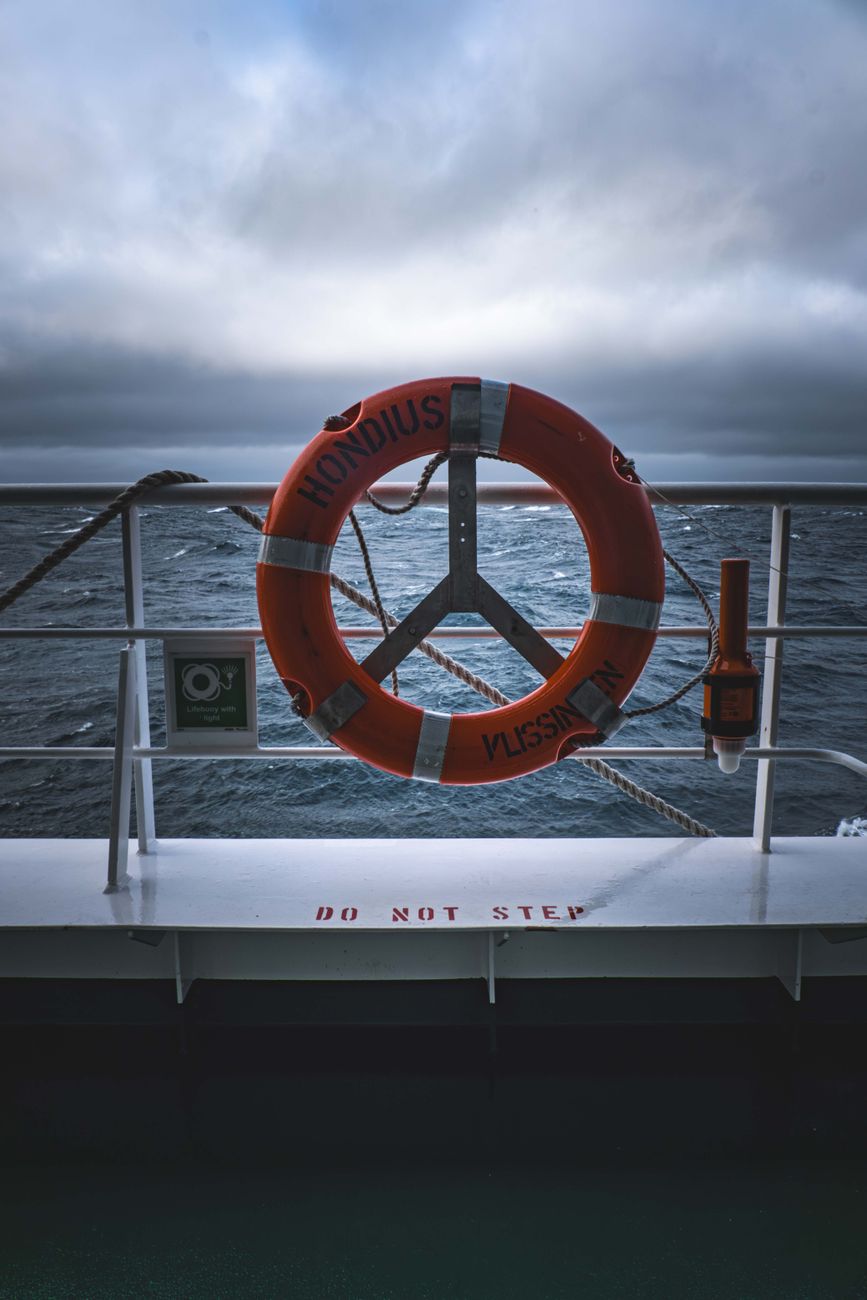
Hantavirus cruise outbreak becomes a test of global tracing and quarantine systems
A deadly Andes virus cluster linked to the MV Hondius has sent health authorities across countries into contact tracing, monitoring and repatriation, even as officials say broad public risk remains low.

The CDC issued a Health Alert Network advisory on May 8 after a multi-country hantavirus cluster linked to a cruise ship produced eight reported cases, including three deaths, according to WHO figures cited by the agency.
The outbreak began as a severe acute respiratory illness cluster among passengers and crew on a cruise ship in the Atlantic Ocean. The ship had departed Ushuaia, Argentina, on April 1 and travelled across the South Atlantic, stopping at remote locations including Antarctica, South Georgia Island, Tristan da Cunha and Saint Helena.
WHO was notified on May 2. By May 6, it had confirmed the virus involved was Andes virus, a form of hantavirus. The CDC warned clinicians and health departments that hantavirus disease can cause severe illness and can be fatal, while saying the risk of broad spread to the United States was considered extremely unlikely at the time of the advisory.
That distinction is shaping the public message. Officials are trying to reassure people that this is not a COVID-style scenario, while still treating the outbreak as a serious cross-border containment problem. TODAY reported that WHO Director-General Dr. Tedros Adhanom Ghebreyesus said the public risk was low “based on scientific assessment and based on evidence.”
The operational story is more complicated than the headline risk level. TODAY reported that health authorities across several countries were tracing exposed contacts and controlling the outbreak, while remaining passengers and crew travelled back to home countries across multiple continents. The New York Times excerpt said countries were working to trace people who may have been exposed.
The United States response shows how quickly a shipboard outbreak can become a repatriation and monitoring exercise. TODAY reported that 18 Americans from the MV Hondius arrived in the US early Monday; 16 were taken to the National Quarantine Unit in Omaha, according to the University of Nebraska Medical Center, while one person had tested positive and another was showing symptoms.
The medical risk also has a specific mechanism. The New York Times excerpt noted that human-to-human transmission of hantavirus is rare, but that the Andes strain is the only type known to spread among humans, affecting people in prolonged, close contact. That makes the tracing task narrower than a respiratory pandemic but still urgent for those who shared close quarters or linked flights.
Different coverage frames the same event in different ways. The CDC focuses on clinicians, laboratories, case identification, testing and biosafety. TODAY leads with public risk and pandemic comparisons. The Washington Post excerpt centres the scramble to trace passengers across countries and flights. Together, they show why a limited outbreak can still place pressure on surveillance, quarantine and travel systems.
For readers, the practical lesson is that modern travel can turn a small cluster into a multinational coordination problem before broad community spread exists. The key change is not panic; it is the need for fast contact tracing, clear risk communication and safe movement of exposed travellers across borders.
Company Daily Scan
Track stories like this for your company.
Albis can turn the same global scan into a private daily briefing for your sector, regions, risks, and watchlist.
See how the company scan works →Sources for this article are being documented. Albis is building transparent source tracking for every story.
Get the daily briefing free
News from 7 regions and 16 languages, delivered to your inbox every morning.
Free · Daily · Unsubscribe anytime
🔒 We never share your email