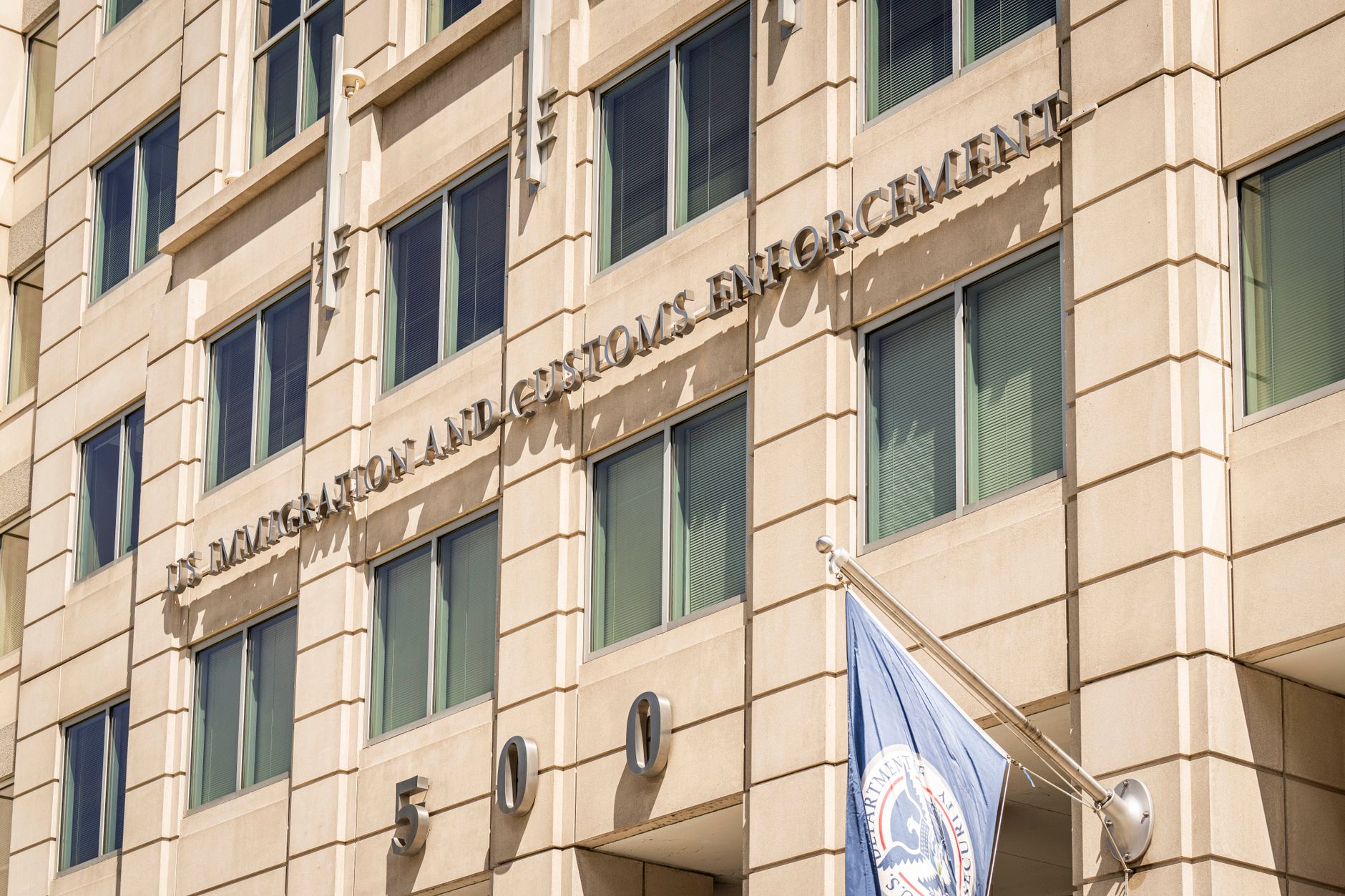
South Africa’s top court closes the door on repeat asylum applications
South Africa’s Constitutional Court has ruled that rejected asylum seekers cannot simply file new applications, tightening one of southern Africa’s major asylum systems and shifting pressure onto appeals, enforcement and regional migration policy.
South Africa’s Constitutional Court has ruled that foreign nationals cannot reapply for asylum once their application has been finally rejected, ending a long-running case involving two Burundian nationals.
The ruling, reported by the BBC, JURIST, Adomonline and South Africa’s official SAnews service, confirms that the country’s Refugee Act does not give rejected applicants a right to submit repeated new asylum claims. The court said unlimited repeat applications could create a “never-ending cycle,” preventing deportations and causing administrative chaos.
The case began with two nationals from Burundi whose asylum applications were rejected in 2014. They reapplied in 2018, arguing that conditions had changed after political violence around Burundi’s 2015 presidential election, when at least 70 people were killed following then-President Pierre Nkurunziza’s decision to seek a third term. They won before the Supreme Court of Appeal, but the Constitutional Court overturned that ruling in a majority judgment.
The legal mechanism is narrow but consequential. JURIST’s account says the court reasoned that every repeat application, if allowed, would have to be treated like a first application, with an interview, review and appeal rights. That would let an unsuccessful applicant delay return indefinitely and add administrative work the immigration framework was not designed to absorb.
South Africa’s government framed the judgment as a victory for enforcement. Home Affairs Minister Leon Schreiber welcomed it as a “major victory” against abuse of the refugee system, while SAnews said the Department of Home Affairs linked the ruling to wider efforts to restore rule of law in immigration and refugee management.
The humanitarian frame is different. The original applicants argued that new political violence in Burundi changed their risk profile after their first rejection. The court’s ruling does not erase that kind of risk; it changes the procedural route available to people who say circumstances have shifted. The pressure now falls more heavily on appeals, judicial review and the original decision-making process.
The scale matters because South Africa is a major destination in the region. The BBC and Adomonline cited UNHCR figures saying South Africa hosted more than 167,000 refugees and asylum seekers in 2025, primarily from Burundi, the Democratic Republic of Congo, Somalia, South Sudan, Rwanda and Zimbabwe. A rule change in such a system can affect more than one national group or one court case.
The timing also connects the judgment to a broader policy turn. SAnews said the ruling came weeks after Cabinet approved a Revised White Paper on Citizenship, Immigration and Refugee Protection, including a first-safe-country principle aimed at ending the practice of asylum seekers choosing South Africa as their preferred destination in the region.
For readers, the change is practical: South Africa’s asylum system is becoming less open to repeated procedural resets after rejection. Supporters will see that as administrative discipline. Critics and affected applicants may see a higher risk that changed conditions are harder to bring back into the system. Either way, the ruling tightens a central migration pathway in southern Africa and may shape how neighbouring governments debate asylum rules.
Add context
Know something useful about this story?
Albis is built for public understanding. If you have a source, lived experience, or a missing angle, you can add context for others.
Share context →Sources for this article are being documented. Albis is building transparent source tracking for every story.
Conversation
What are you seeing?
Add local context, a source, a question, or a perspective we may have missed. You can comment as a guest or create a free account.
Loading conversation…
Get the daily briefing free
News from 7 regions and 16 languages, delivered to your inbox every morning.
Free · Daily · Unsubscribe anytime
🔒 We never share your email