Sudan Community Kitchens Near Collapse as Hunger Deepens
Volunteer-run kitchens that feed civilians across Sudan are running out of money and supplies, threatening one of the country's few remaining local safety nets.
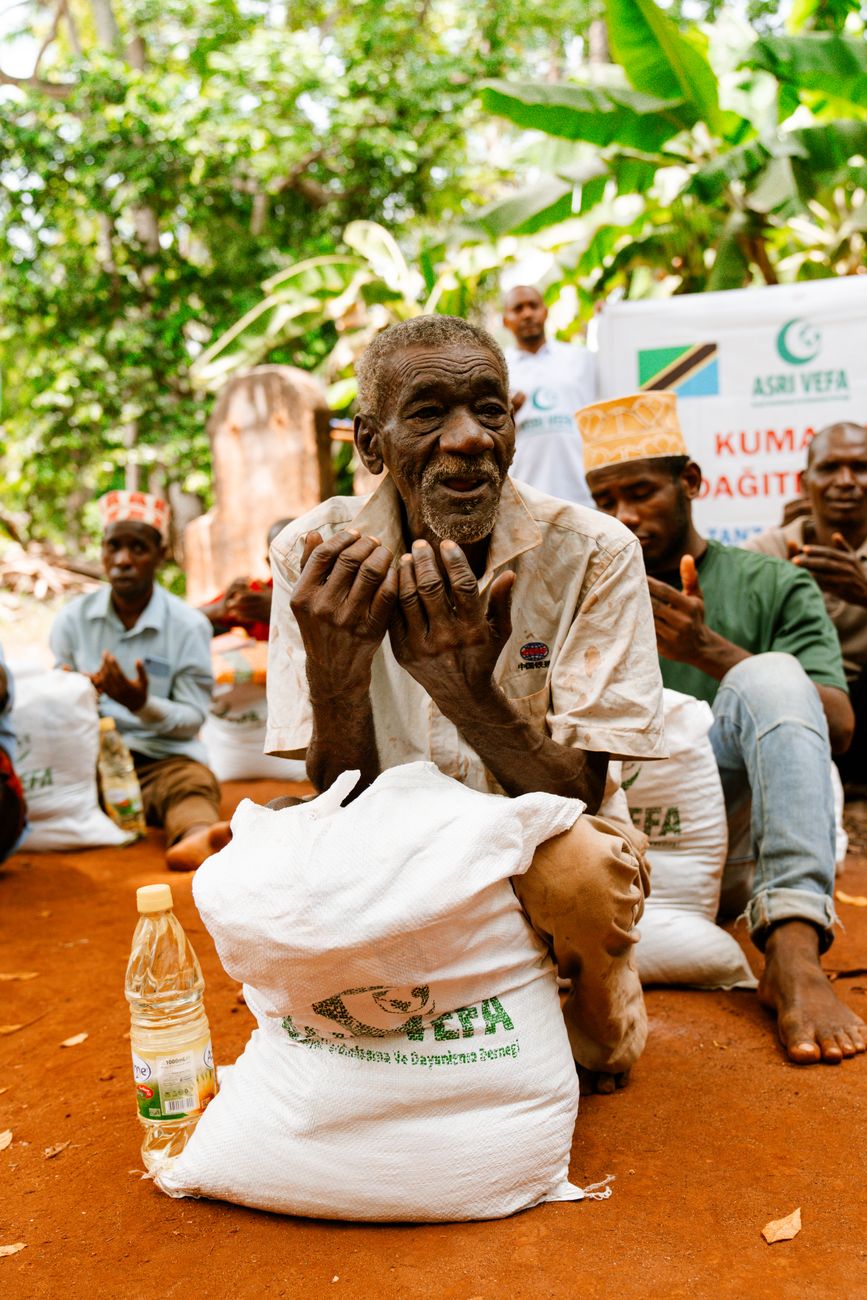
More than 24 million people in Sudan are facing acute food shortages, and the volunteer-run community kitchens feeding many of them are close to collapse, according to aid groups cited by the BBC and hunger data referenced in recent Reuters reporting.
The kitchens are not a side story in Sudan's war. They are one of the few systems still functioning where formal government services have broken down and international aid agencies cannot reliably reach civilians.
The BBC reported that many of the locally run kitchens were operating with severe shortages, volunteer exhaustion and long periods of uncertainty over whether they could cook the next day. The report cited Islamic Relief as warning that the network was on the verge of collapse.
That warning lands inside a wider emergency. Reuters has previously reported that Sudan is facing one of the world's worst hunger crises, with millions already at emergency levels of food insecurity and famine conditions confirmed in some conflict areas.
The April 7 Albis scan shows a sharp regional divide in how this is covered. African reporting treats the story as immediate human survival. European coverage tends to present it as a humanitarian disaster and aid-access failure. Much of the rest of the world is barely in the frame.
That absence matters. In Sudan, a kitchen shutting down means a family loses dinner. In many foreign news cycles, Sudan appears only when front lines move, a city falls or diplomats issue a warning.
The BBC described volunteers trying to keep kitchens alive in cities cut off by fighting, blockades and looting. In el-Fasher, it said some kitchens had been reduced to serving animal fodder before the city fell to the Rapid Support Forces last week. In Omdurman, volunteers were rationing food even where commercial supplies were more available because the number of displaced people kept growing.
The practical obstacles are severe. Volunteers lack safe water, cooking fuel and stable funding, according to the BBC. Aid agencies have also said both sides in the war obstruct deliveries through delays, denials and insecurity. Long internet blackouts disrupt mobile money transfers, making it harder for donors to send funds and for kitchens to buy supplies.
The Emergency Response Rooms that support many of these efforts have drawn international praise because they put local people, not outside agencies, at the centre of relief. That model has kept food moving where formal systems have failed. It has also left volunteers carrying extraordinary risk.
They work under whichever authority controls the area. When territory changes hands, that can make them targets. The same people who organise meals, water and local communications can be accused by armed groups of aiding the other side.
The scan's framing notes say African coverage remains human-first. That description is visible in the choice of detail. Stories talk about schools, displacement and the cost of one meal. They do not need to explain why the crisis matters. The empty pot already does that.
By contrast, when Sudan appears in more distant outlets, it is often compressed into aggregate statistics or placed inside broader humanitarian roundups. The numbers are necessary, but they can flatten the structure that is still keeping people alive.
There is no sign yet of a large enough replacement system. International agencies can scale some operations if access improves, but volunteer kitchens cannot simply be turned off until then. They are bridging the gap now.
The next indicators are brutally concrete: whether kitchens keep opening each morning, whether aid groups can get food and cash into cut-off areas, and whether outside funders move quickly enough to prevent more of the local network from shutting down. In Sudan, the distance between a funding delay and a missed meal is already down to a day.
Company Daily Scan
Track stories like this for your company.
Albis can turn the same global scan into a private daily briefing for your sector, regions, risks, and watchlist.
See how the company scan works →Sources for this article are being documented. Albis is building transparent source tracking for every story.
Get the daily briefing free
News from 7 regions and 16 languages, delivered to your inbox every morning.
Free · Daily · Unsubscribe anytime
🔒 We never share your email