40 Nations Pledge to Reopen the Hormuz Strait. Ship Traffic Says Otherwise.
A UK-led coalition of 40 countries vowed to restore shipping through the Strait of Hormuz, where daily vessel crossings have collapsed from over 130 to single digits.

Britain's defense secretary announced on April 3 that 40 nations had joined a coalition committed to "restoring freedom of navigation" through the Strait of Hormuz, the 33-kilometer chokepoint through which 20% of the world's oil supply normally transits. The announcement came as maritime tracking data showed daily vessel crossings had fallen to fewer than 10, down from an average of 130 before Iran began mining and interdicting the waterway in mid-March.
The coalition includes all NATO members, Japan, South Korea, Australia, and several Gulf states, according to a joint statement released from London. India, China, and most Southeast Asian nations did not sign on.
The statement pledged "all necessary measures" to guarantee safe passage but offered no timeline for minesweeping operations, no rules of engagement for confrontations with Iranian naval forces, and no commitment of specific vessels. Lloyd's of London has maintained its suspension of insurance coverage for Hormuz transits, a decision that effectively bars most commercial shipping regardless of military escorts.
That gap between rhetoric and reality drew sharp criticism from energy-importing nations. Japan's chief cabinet secretary, speaking hours after the coalition announcement, said Tokyo "welcomes the initiative" but noted that "words must be matched by concrete action." Japanese refiners have been drawing down strategic petroleum reserves at a rate that would exhaust them within 90 days.
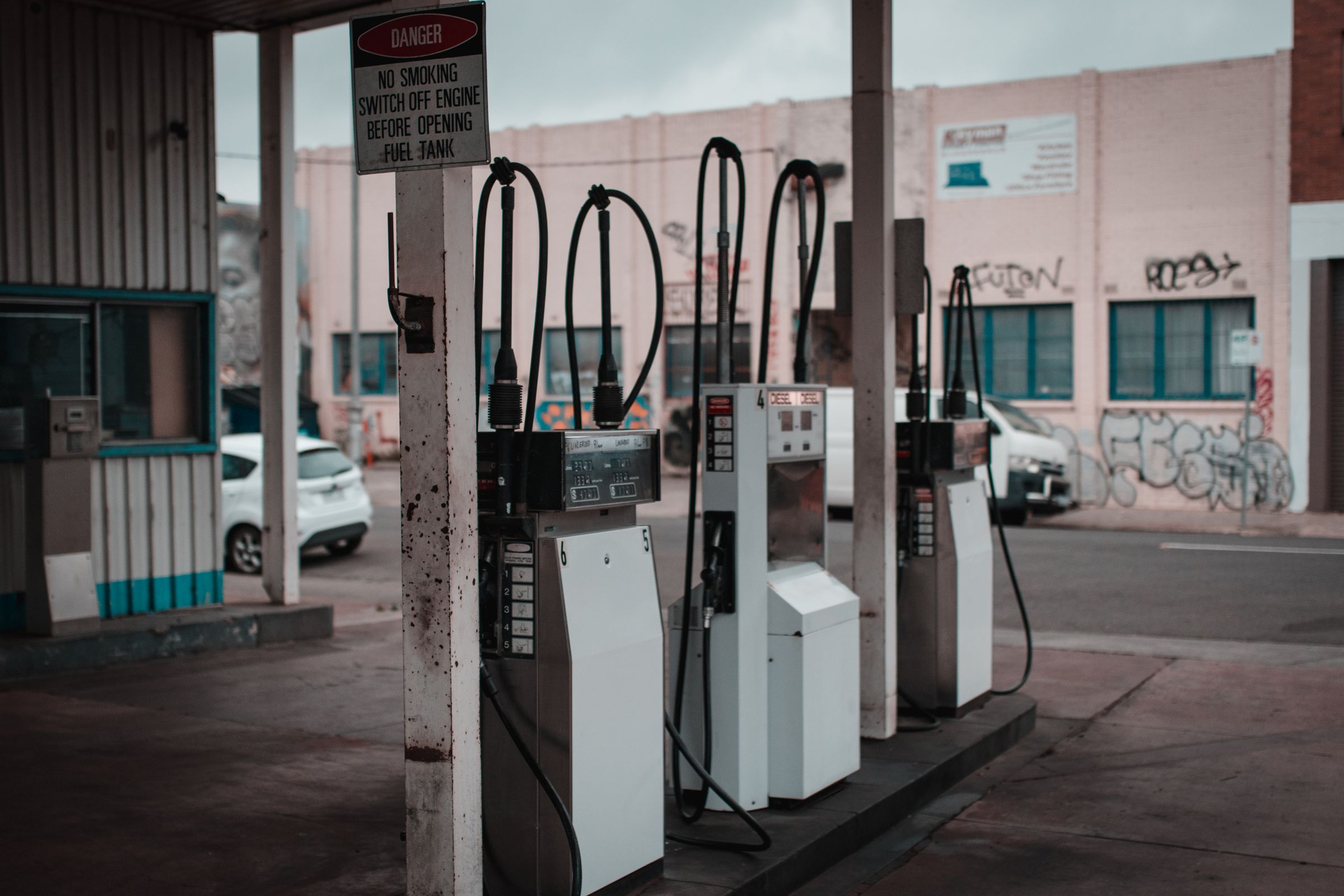
South Korea's response was more direct. The energy minister told reporters in Seoul that "a coalition communiqué does not fill fuel tanks" and repeated the government's appeal for citizens to "save every drop of fuel." South Korean gas stations have imposed purchase limits since late March.
In the Gulf, the reaction split along predictable lines. Saudi Arabia's state news agency covered the coalition as a "necessary step to protect regional stability." Qatar's Al Jazeera emphasized the coalition's failure to include any mechanism for de-escalation or negotiations with Iran.
Iran dismissed the announcement entirely. Foreign ministry spokesman Nasser Kanaani called the coalition "a paper fleet" and said any attempt to force the strait open without a ceasefire would be treated as an act of war. Iran's navy controls an estimated 200 naval mines deployed across the strait, according to US Naval Forces Central Command.
The minesweeping challenge alone is formidable. The US Navy's mine countermeasures fleet consists of 11 Avenger-class ships, several of which are already deployed to the Persian Gulf. Military analysts at the International Institute for Strategic Studies estimated that clearing the strait could take "weeks to months" even under permissive conditions — conditions that do not currently exist, given ongoing Iranian missile and drone attacks against coalition naval assets.
Meanwhile, the economic damage accumulates daily. Brent crude closed at $118.70 on April 3, up 6% for the week. The IEA's emergency coordinator told reporters that global spare oil production capacity "is not sufficient to fully compensate for the Hormuz disruption."
European countries are already taking visible steps. Slovenia became the first EU member state to implement fuel rationing at the pump in late March. The European Commission's energy commissioner said on April 2 that "all possibilities remain on the table," including coordinated EU rationing.
Asian nations have gone further. Bangladesh has shortened office hours to 9 a.m.–4 p.m. and ordered markets to close by 6 p.m. Pakistan mandated a four-day work week and moved all university instruction online. The Philippines warned of potential summer blackouts.
The coalition's next meeting is scheduled for April 8 in Bahrain. Military planners from participating nations are expected to present operational options for minesweeping and escort operations. Whether insurance markets respond to those plans will determine if the coalition translates into actual ship movements.
Thirty-five days into the war, the strait remains effectively closed.
Add context
Know something useful about this story?
Albis is built for public understanding. If you have a source, lived experience, or a missing angle, you can add context for others.
Share context →Sources for this article are being documented. Albis is building transparent source tracking for every story.
Conversation
What are you seeing?
Add local context, a source, a question, or a perspective we may have missed. You can comment as a guest or create a free account.
Loading conversation…
Get the daily briefing free
News from 7 regions and 16 languages, delivered to your inbox every morning.
Free · Daily · Unsubscribe anytime
🔒 We never share your email