U.S. Aid Shift Opens Malaria and HIV Supply Gaps
A rapid U.S. overhaul of global health procurement is creating warnings of shortages in malaria and HIV products across vulnerable countries.
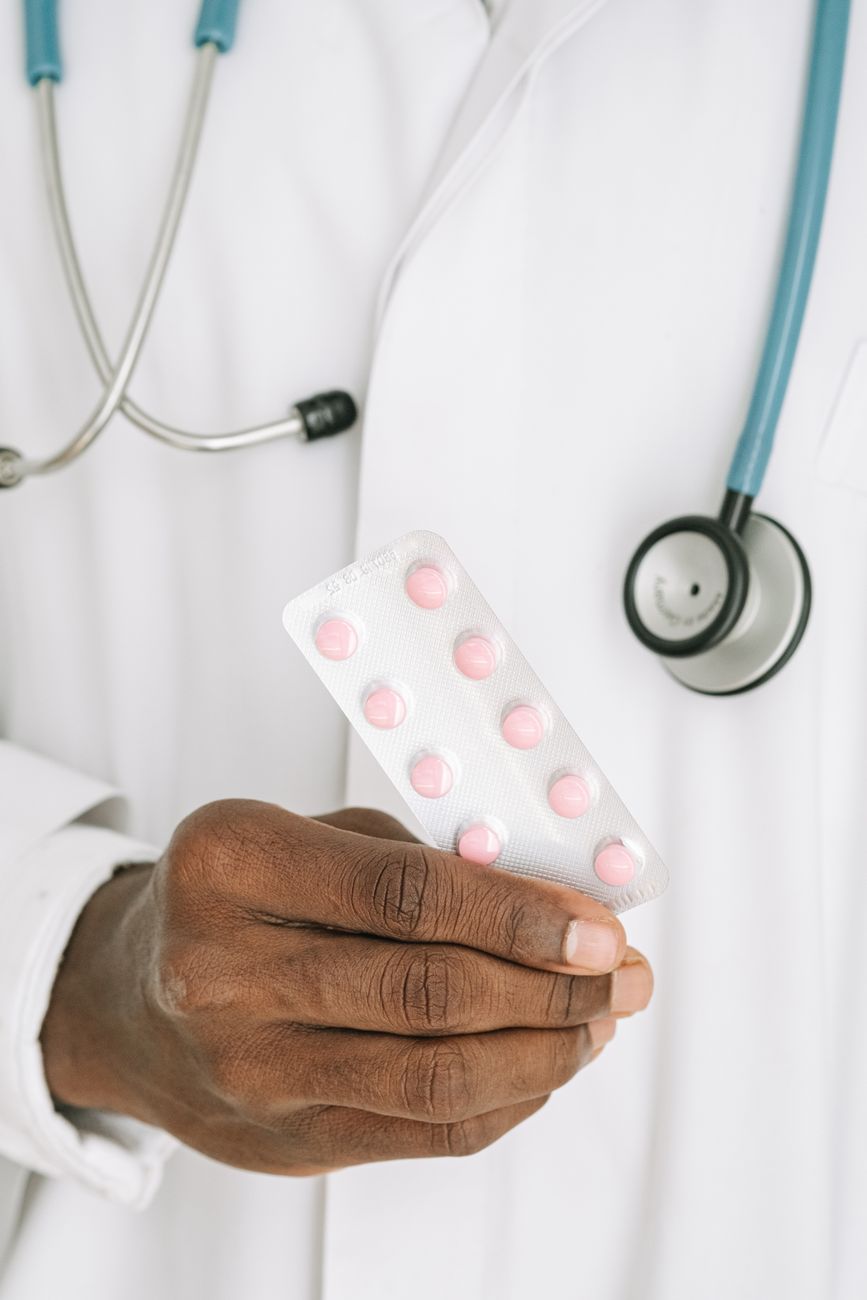
U.S. changes to a global aid supply programme are already creating shortages of malaria drugs for children and gaps in HIV prevention, Reuters reported on April 3, citing five sources familiar with the disruption.
Reuters said the speed of the overhaul to how Washington delivers aid could cause shortages or service gaps in some countries “with grave impacts.” The report said the U.S. State Department had asked staff in 17 African countries and Haiti to work through a transition that has unsettled long-running procurement and distribution arrangements.
The Albis midday scan ranked the story as a high-priority health risk with strong visibility in the United States, South Asia and Africa, but little coverage in Europe, the Middle East, East Asia and Latin America. The story is being read very differently depending on where the products are needed.
In Washington, the changes appear in coverage as an administrative and contracting shift. In African reporting and health networks, the same change is being tracked in treatment interruptions, missing stock and uncertainty over when the next shipment arrives.
That difference is built into the system. Global malaria and HIV programmes depend on tightly timed procurement, donor approvals, warehousing, shipping and local delivery. When the financing or contracting structure changes quickly, product gaps appear first in the countries with the least buffer stock.
Reuters did not report a full global breakdown of missing products, but it said the changes had already caused problems around the world, including shortages of malaria treatments for children. In diseases where timing matters, a short delay at the centre can become an immediate clinical problem at the edge.
The risks are highest for programmes that run on recurring deliveries rather than deep reserves. Clinics cannot distribute antimalarials or prevention products they do not have. Patients often do not see procurement reform; they see an empty shelf, a delayed treatment cycle or a longer journey to another facility.
The regional framing gap is clear in what gets counted. Donor-country reporting often measures the success of aid reform in budgets, oversight or strategic control. Health reporting in affected regions measures it in missed doses, treatment continuity and the reliability of district clinics.
That divide matters because malaria and HIV control are cumulative. A single supply break can interrupt prevention campaigns, weaken confidence in local services and increase pressure on already overstretched health systems. The impact is rarely limited to one disease. The same distribution channels often carry diagnostics, tests and other essential medicines.
The midday scan also flagged a wider health-service deterioration beyond the malaria story, with 53 million people at risk of losing care as 6,600 facilities falter. That broader signal suggests procurement disruptions are landing inside systems that are already under financial and operational stress.
Global health agencies have warned for years that resilience depends on predictable financing and logistics. The Reuters report suggests the current U.S. transition has moved faster than the system can absorb.
In some capitals, the story is still being covered as bureaucracy. In clinics and field programmes, it is already logistics. Soon it may be mortality data.
Officials have not yet detailed how quickly they expect the new procurement arrangements to stabilise. The next indicators will be stock reports from affected countries, guidance to U.S.-funded health teams and whether emergency shipments are deployed to close the gaps identified in early April.
Company Daily Scan
Track stories like this for your company.
Albis can turn the same global scan into a private daily briefing for your sector, regions, risks, and watchlist.
See how the company scan works →Sources for this article are being documented. Albis is building transparent source tracking for every story.
Get the daily briefing free
News from 7 regions and 16 languages, delivered to your inbox every morning.
Free · Daily · Unsubscribe anytime
🔒 We never share your email

