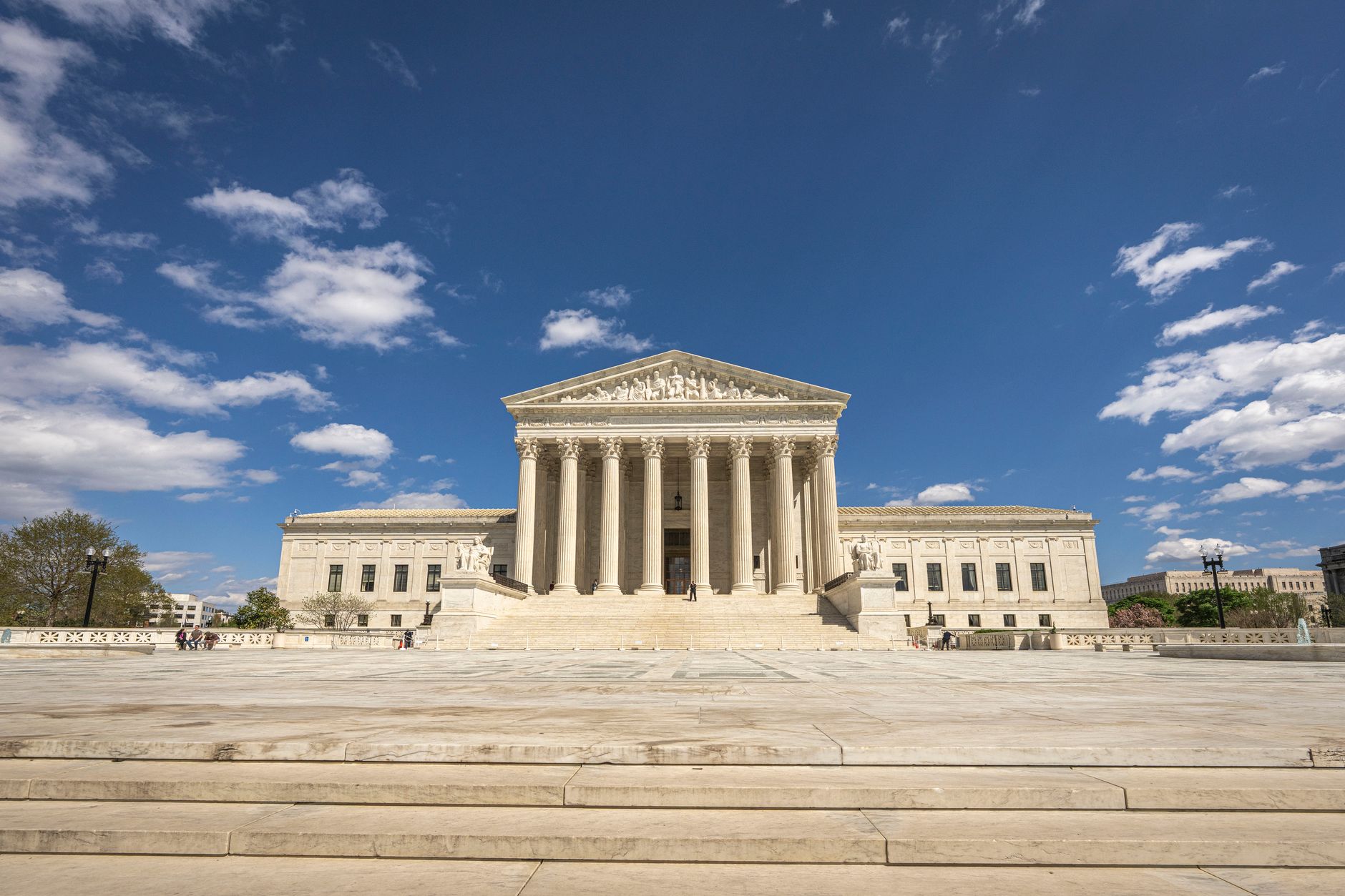
US federal court blocks Alabama congressional map over intentional racial discrimination
The ruling is consequential for representation, civil rights law and election legitimacy debates.
US points to a concrete shift. Formal decision in the lead, patchy enforcement underneath US sit near the centre of that divide.
The ruling is consequential for representation, civil rights law and election legitimacy debates. This piece should explain what the loudest frame misses and why that gap matters now. Formal decision in the lead, patchy enforcement underneath. The useful reading is not just that something happened, but that the decision space around US is now narrower than it was before.
Formal decision in the lead, patchy enforcement underneath That matters because audiences can leave the same event with different ideas about what the story is actually about. That split also opens into human-ground or economic-flows or framing-map as the next layer of coverage. That detail matters because US is where an abstract development starts becoming a practical constraint for people, operators, or public institutions.
Policy and rules shift is the hinge. The ruling is consequential for representation, civil rights law and election legitimacy debates. Once that hinge comes into view, the difference between rhetoric, emphasis, and downstream consequence becomes easier to read. The useful reading is not just that something happened, but that the decision space around US is now narrower than it was before.
Coverage is clustering in US. Across that spread, coverage keeps pulling toward consensus, framing, so readers are not just seeing different tone; they are often being handed a different main plot. The footprint is broad, which usually means downstream effects will travel beyond the country that triggered the headline. That detail matters because US is where an abstract development starts becoming a practical constraint for people, operators, or public institutions.
That split is visible across coverage clustered in US. Even a narrower gap can still change what readers notice first and what they ignore. The ruling is consequential for representation, civil rights law and election legitimacy debates. The real takeaway is that the public frame and the operating reality are diverging. The useful reading is not just that something happened, but that the decision space around US is now narrower than it was before.
The immediate question is whether US changes on the ground, whether neighbouring actors copy or resist the move, and whether the issue begins appearing in places that were initially quiet. That detail matters because US is where an abstract development starts becoming a practical constraint for people, operators, or public institutions.
The evidence layer is still uneven, but it is not empty. Current reporting gives readers multi-pattern signal, while US sit closest to the practical consequences. That makes the article less about declaring a finished verdict and more about mapping the operating reality: what is confirmed, where the pressure is landing, and which claims still need stronger proof before they become part of the public record.
The life-systems layer is the reason this belongs in a deeper public file. Policy and rules shift can move through everyday access, cost, safety, or institutional capacity, and US is one of the places where that movement becomes visible. If the story keeps developing, the consequence will not only be political language; it will be felt through queues, prices, service capacity, travel choices, school calendars, medical risk, energy planning, or household decisions.
The regional frame also matters. Coverage is strongest in US, but the same facts can carry different meanings depending on whether outlets lead with law, cost, security, humanitarian strain, or domestic politics. Formal decision in the lead, patchy enforcement underneath. A public reader needs that distinction because the first frame often decides whether the story is treated as urgent, technical, distant, or personal.
The honest uncertainty is how far the effect travels from here. The next proof will come from changes around US: whether official promises turn into delivery, whether affected groups change behaviour, whether neighbouring systems absorb the pressure, and whether later reporting confirms the early pattern or narrows it. Until then, the strongest reading is cautious but serious: the signal is real enough to track, not settled enough to oversell.
The honest uncertainty is how far the effect travels from here. The next proof will come from changes around US: whether official promises turn into delivery, whether affected groups change behaviour, whether neighbouring systems absorb the pressure, and whether later reporting confirms the early pattern or narrows it. Until then, the strongest reading is cautious but serious: the signal is real enough to track, not settled enough to oversell.
For now, US is the place to keep watching. If the consequences spread beyond the first announcement, the story will stop looking like a single update and start looking like a new baseline. The useful reading is not just that something happened, but that the decision space around US is now narrower than it was before.
Company Daily Scan
Track stories like this for your company.
Albis can turn the same global scan into a private daily briefing for your sector, regions, risks, and watchlist.
See how the company scan works →Sources for this article are being documented. Albis is building transparent source tracking for every story.
Get the daily briefing free
News from 7 regions and 16 languages, delivered to your inbox every morning.
Free · Daily · Unsubscribe anytime
🔒 We never share your email