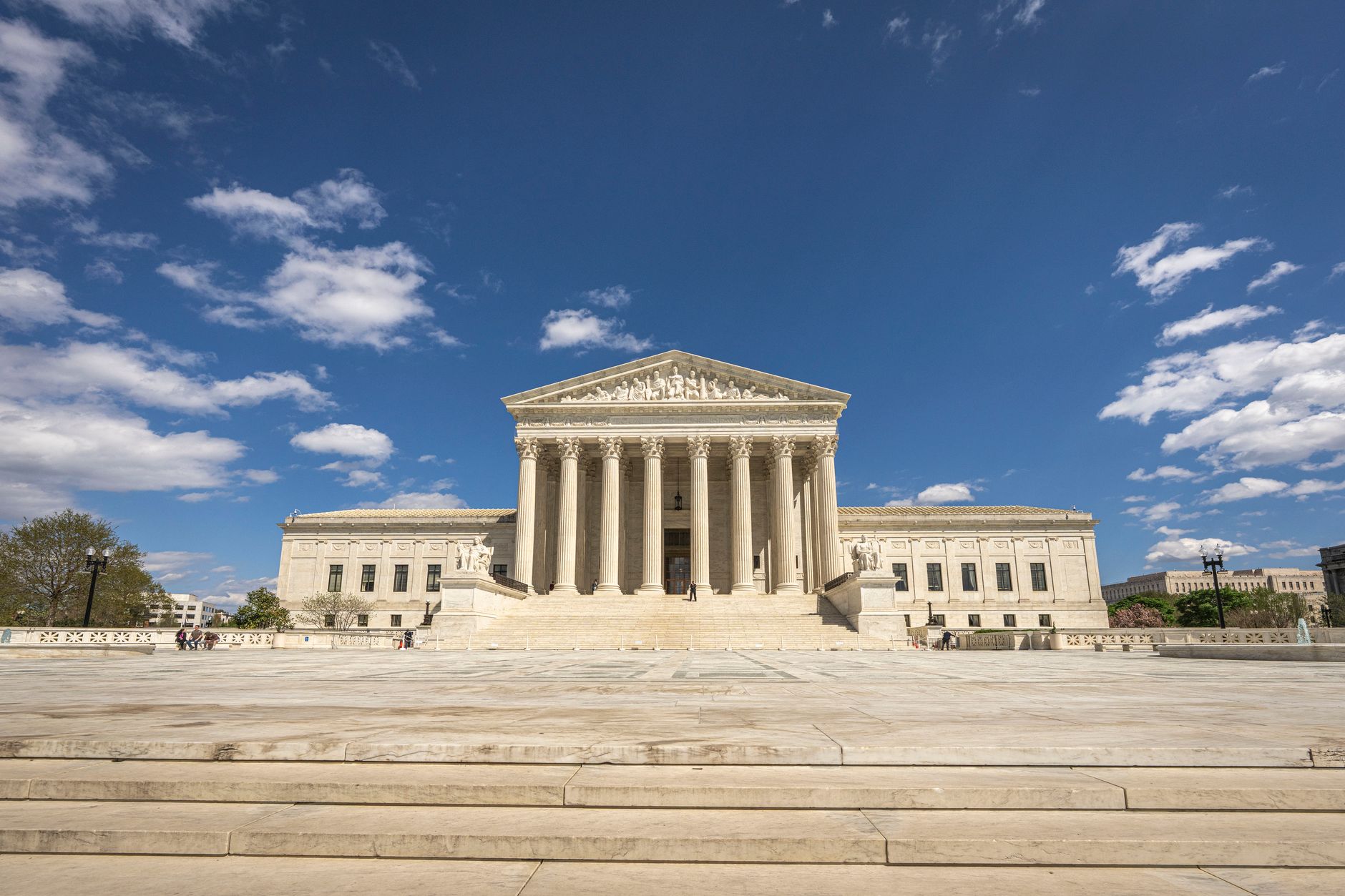
US Supreme Court hears case over ending TPS protections for Haitians and Syrians
TPS decisions can rapidly change deportation risk and humanitarian burdens across multiple regions.

US Supreme Court is forcing a fresh read of the situation. Policy and rules shift is now remapping behaviour underneath the headline. Watch US Supreme Court: that is where a reroute, waiver, shortage, or rule change starts altering decisions.
Policy and rules shift is the engine here, not a side note. This piece should show how policy and rules shift turns one event into wider ripple effects. Formal decision in the lead, patchy enforcement underneath.
Policy and rules shift is what turns this from a single update into a moving story. TPS decisions can rapidly change deportation risk and humanitarian burdens across multiple regions. The chain usually runs through routing, insurance, delivery timing, and then price—well before consumers see a neat explanation at the pump or on the invoice. Formal decision in the lead, patchy enforcement underneath. Once the shift is underway, the ripple rarely stays in one lane. US Supreme Court, Haitians and Syrians, Middle East, TPS start changing timing, sourcing, staffing, pricing, or public language around US Supreme Court before any neat political consensus forms. That is why these stories often matter earlier than their headline temperature suggests. The chain usually runs through routing, insurance, delivery timing, and then price—well before consumers see a neat explanation at the pump or on the invoice.
TPS decisions can rapidly change deportation risk and humanitarian burdens across multiple regions. The next test is whether that shift stays contained or starts changing choices around US Supreme Court in US and Caribbean—from ministries and ports to clinics, courtrooms, warehouses, classrooms, and family budgets.
Coverage is clustering in US, Caribbean, Middle East. Across that spread, coverage keeps pulling toward divergence, consensus, so readers are not just seeing different tone; they are often being handed a different main plot. The perception gap is wide enough that two audiences could walk away thinking the story is about different problems.
That is why US Supreme Court matters more than the headline temperature: it is one of the first places the reroute, shortage, waiver, or constraint starts altering real decisions. That is why a route story rarely stays a route story: it becomes a costs story, a supply story, and eventually a household or industrial planning story. TPS decisions can rapidly change deportation risk and humanitarian burdens across multiple regions. The walkaway is that policy and rules shift is already changing downstream behaviour.
From here, the follow-through matters more than the quote. Watch whether US Supreme Court actually changes on the ground, whether neighbouring actors copy or resist the move, and whether the story starts showing up in places that were initially quiet. That is usually the moment when a local-seeming development reveals itself as a wider systems signal.
By the end, the shape of the story should feel clearer: a real shift, a traceable consequence chain, or a human or systems angle that disappears if you stay with the broad headline alone. Not every item needs to sound monumental. It does need to leave the reader with something concrete to watch tomorrow.
Sources for this article are being documented. Albis is building transparent source tracking for every story.
Get the daily briefing free
News from 7 regions and 16 languages, delivered to your inbox every morning.
Free · Daily · Unsubscribe anytime
🔒 We never share your email