Archaeologists under Notre Dame report a ‘dig of the century’ exposing Roman and later Parisian layers
Major urban archaeology tied to reconstruction can reshape public understanding of heritage, preservation, and city history.
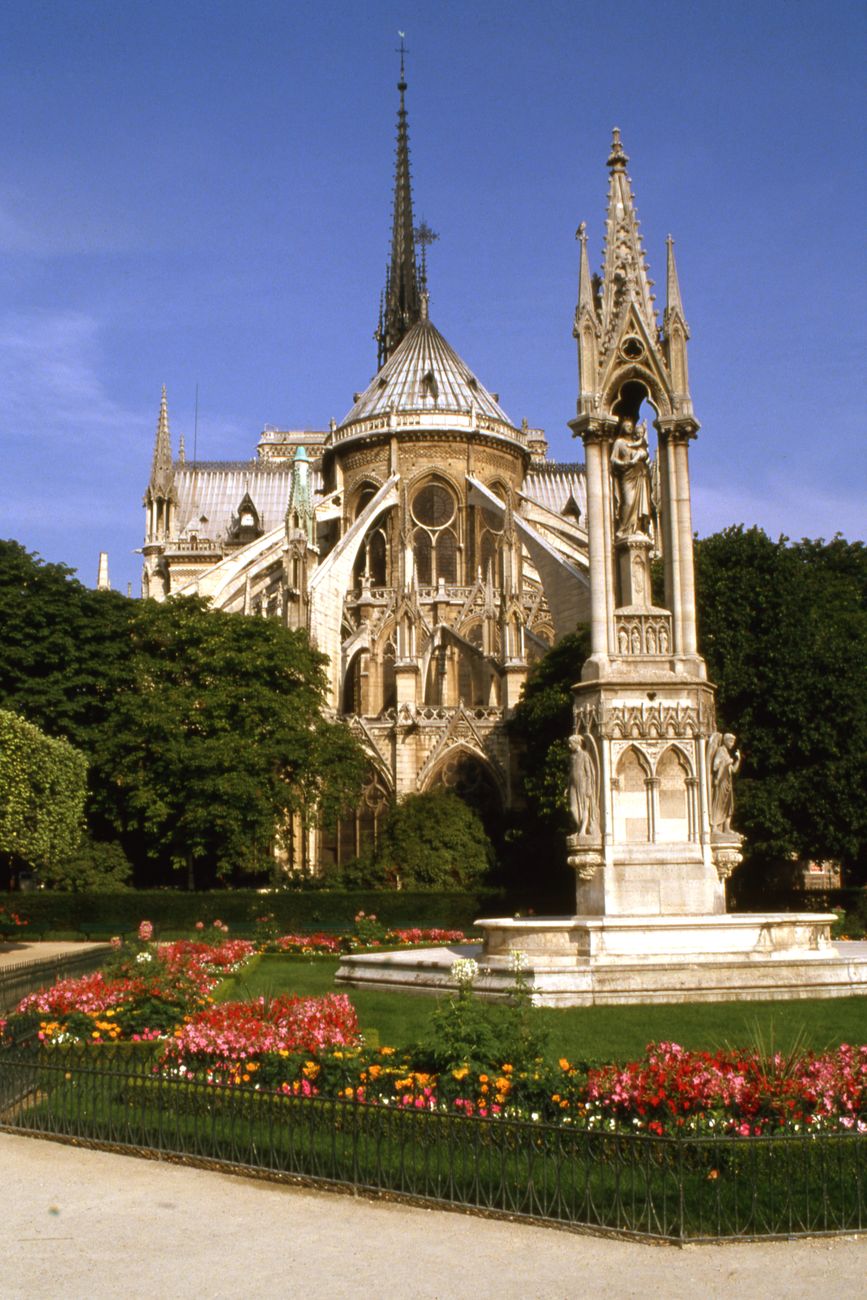
Archaeologists under Notre Dame report a ‘dig of the century’ exposing Roman and later Parisian layers
Last updated June 2, 2026
- Major urban archaeology tied to reconstruction can reshape public understanding of heritage, preservation, and city history.
- State change with second-order effects.
- Notre Dame report a ‘dig of the century’ exposing Roman and later Parisian layers.
Still unclear: What local readers are seeing from the ground
Notre Dame report a ‘dig of the century’ exposing Roman and later Parisian layers. Notre Dame is the odd detail worth watching because it reveals a surprising edge-case with broader meaning.
Notre Dame is not just colour; it is the cleanest route into the larger pattern. Use an unusual detail as the cleanest route into the larger pattern. The oddity matters because it lights up state change with second-order effects from the side. A strange local detail can expose stress, adaptation, workaround behaviour, or institutional denial faster than a polished policy statement ever will. The decision space around Notre Dame is now narrower than it was before.
Major urban archaeology tied to reconstruction can reshape public understanding of heritage, preservation, and city history. The next test is whether that shift stays contained or starts changing choices around Notre Dame in Europe—from ministries and ports to clinics, courtrooms, warehouses, classrooms, and family budgets. Notre Dame is where an abstract development starts becoming a practical constraint for people, operators, or public institutions.
The causal chain matters more than the slogan. The chain usually runs through routing, insurance, delivery timing, and then price—well before consumers see a neat explanation at the pump or on the invoice. The decision space around Notre Dame is now narrower than it was before.
Coverage is clustering in Europe. Across that spread, coverage keeps pulling toward omission, consensus, so readers are not just seeing different tone; they are often being handed a different main plot. The perception gap is wide enough that two audiences could walk away thinking the story is about different problems. Notre Dame is where an abstract development starts becoming a practical constraint for people, operators, or public institutions.
Direct lived consequences is where the story becomes tangible. Major urban archaeology tied to reconstruction can reshape public understanding of heritage, preservation, and city history. A route story can quickly become a costs story, a supply story, and eventually a household or industrial planning story. What stands out is that it reveals a surprising edge-case with broader meaning. Reveals a surprising edge-case with broader meaning. Major urban archaeology tied to reconstruction can reshape public understanding of heritage, preservation, and city history. Let the odd detail open the route into the larger pattern.
The immediate question is whether Notre Dame changes on the ground, whether neighbouring actors copy or resist the move, and whether the issue begins appearing in places that were initially quiet. Notre Dame is where an abstract development starts becoming a practical constraint for people, operators, or public institutions.
The evidence layer is still uneven, but it is not empty. Current reporting gives readers clear consequence line, multi-pattern signal, named actors, while Notre Dame, Europe sit closest to the practical consequences. That makes the article less about declaring a finished verdict and more about mapping the operating reality: what is confirmed, where the pressure is landing, and which claims still need stronger proof before they become part of the public record.
For now, Notre Dame is the place to keep watching. If the consequences spread beyond the first announcement, the story will stop looking like a single update and start looking like a new baseline. The decision space around Notre Dame is now narrower than it was before.
Company Daily Scan
Track stories like this for your company.
Albis can turn the same global scan into a private daily briefing for your sector, regions, risks, and watchlist.
See how the company scan works →Sources for this article are being documented. Albis is building transparent source tracking for every story.
Conversation
What are you seeing?
Add local context, a source, a question, or a perspective we may have missed. You can comment as a guest or create a free account.
Loading conversation…
Get the daily briefing free
News from 7 regions and 16 languages, delivered to your inbox every morning.
Free · Daily · Unsubscribe anytime
🔒 We never share your email
Related Stories

Meta expands stricter teen content settings globally across Instagram, Facebook, and Messenger

Canada also pushes parallel talks on sectoral tariffs alongside the USMCA renewal push