Britain and France Open a Different Hormuz Track: Seafarers, Sanctions and Shipping Rules
The new Europe-led Hormuz talks are not a generic ceasefire update. They add a distinct layer: who protects crews, what shipping rules return first, and whether de-escalation comes with fresh sanctions pressure.
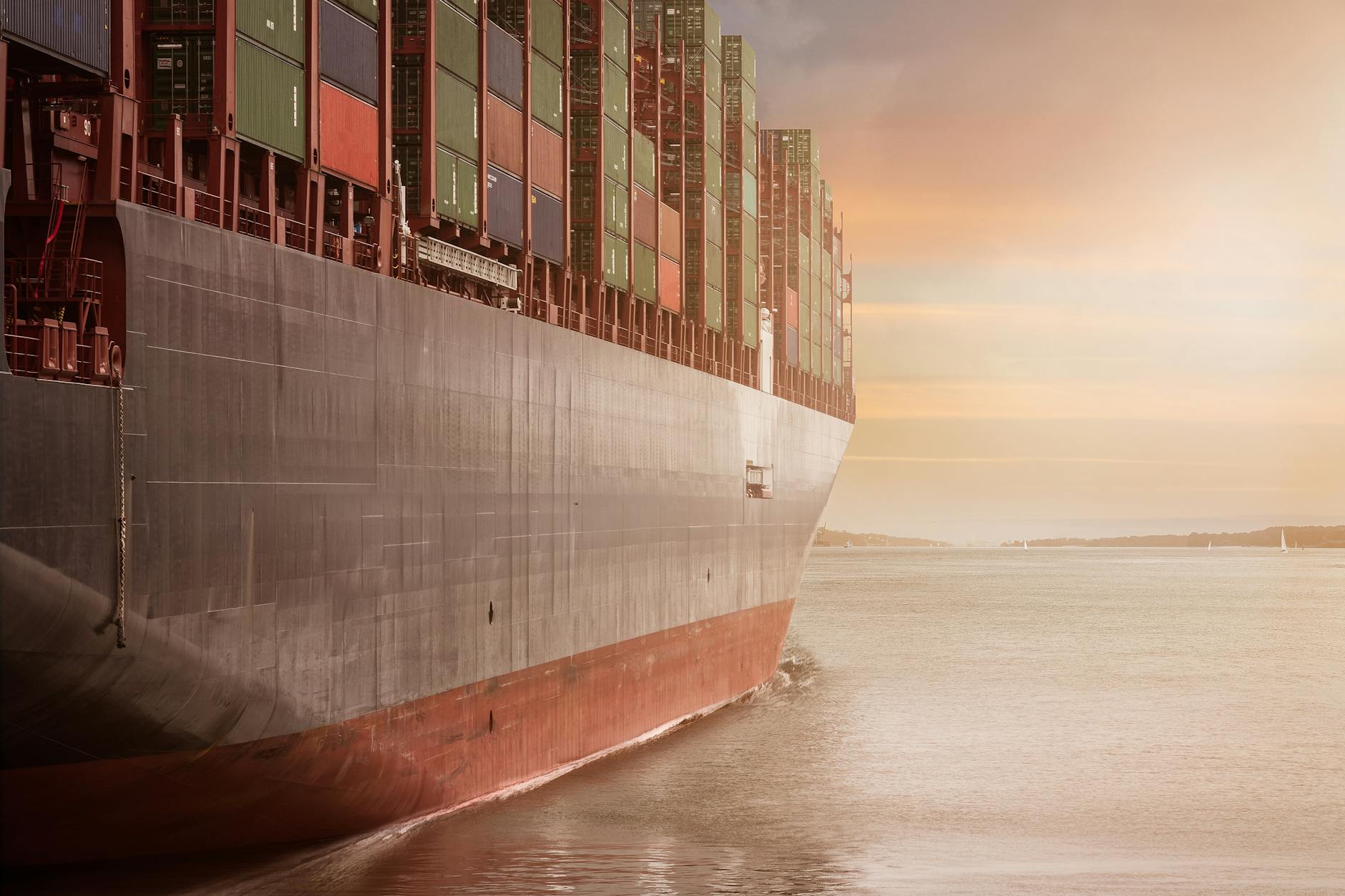
Britain and France are opening a European track on Hormuz focused on sanctions, seafarer releases and restoring shipping. That matters because it is not the same story as the U.S. blockade, nor the same story as a generic call for talks. It is a more specific update: Europe is trying to shape the operating rules of a corridor that is still contested.
That distinction is what makes this worth publishing as its own piece.
Albis has already covered the wider shipping shock in Hormuz Is Moving Again, but the Real Update Is That the Deal Still Does Not Exist. It has also tracked the coercive turn in U.S. Blockade of Iranian Ports Puts the Ceasefire Into a New Phase. This new development sits between those two layers. It is about who tries to rebuild corridor management when Washington is using pressure and Tehran is warning about retaliation.
Reuters reporting cited in the April 15 midday scan says London and Paris are convening talks on a strictly defensive Hormuz mission. The agenda reportedly includes seafarer releases, industry coordination to restart transit and possible sanctions on Iran if the waterway stays constrained.
That last part matters. The talks carry two logics at once.
One is stabilisation. Shipping needs escorts, clearer rules and a sense that commercial crews will not be trapped between military postures. Seafarers are often the invisible human layer in chokepoint crises. When lanes become bargaining tools, crews wait offshore, contracts stretch, fatigue rises and ordinary workers absorb the geopolitical risk first.
The other logic is pressure. A European process that discusses sanctions alongside shipping protection is not neutral corridor management. It is de-escalation scaffolding built inside a coercive framework.
That is why regional framing splits. European coverage is more likely to treat this as competent maritime management after a dangerous rupture. U.S. coverage can fold it into alliance coordination and burden-sharing. Middle Eastern coverage has more reason to ask whether a defensive mission is really defensive once sanctions and enforcement options sit on the same table.
The policy significance is bigger than the headline might suggest. Hormuz no longer needs to be fully closed to damage the global system. Partial passage, inconsistent rules and selective risk are enough to keep freight, insurance and energy markets tense. A Europe-led mission matters if it reduces that uncertainty. It also matters if it hardens a new external enforcement architecture in one of the world's most politically loaded waterways.
There is a humanitarian layer here too. Shipping stories often get filed as market stories. But the corridor moves fuel, petrochemicals, fertilizer inputs and goods that feed into food and medicine systems far from the Gulf. If Europe helps make transit more routine, that lowers stress beyond tanker charts. If the process becomes another lane for sanctions escalation, the costs still travel outward.
Title honesty matters. This is not a clean "Hormuz reopening" article. Nothing in the scan suggests a settled reopening. It is also not just another vague diplomacy item. The real update is that Britain and France are trying to write practical rules around an unstable corridor while leaving sanctions threats on the table.
What changed is clear: a non-U.S. diplomatic and maritime coordination track is now taking shape around Hormuz.
What remains unresolved is whether it produces a real mission, credible passage rules or only another layer of pressure politics.
What to watch next is whether shipping insurers respond, whether crews are actually released, whether Gulf states buy into the framework and whether Europe can separate corridor stabilisation from measures that Tehran reads as further encirclement.
Company Daily Scan
Track stories like this for your company.
Albis can turn the same global scan into a private daily briefing for your sector, regions, risks, and watchlist.
See how the company scan works →Sources for this article are being documented. Albis is building transparent source tracking for every story.
Conversation
What are you seeing?
Add local context, a source, a question, or a perspective we may have missed. You can comment as a guest or create a free account.
Loading conversation…
Get the daily briefing free
News from 7 regions and 16 languages, delivered to your inbox every morning.
Free · Daily · Unsubscribe anytime
🔒 We never share your email


