A Seized Ship Just Put the U.S.-Iran Ceasefire on the Clock
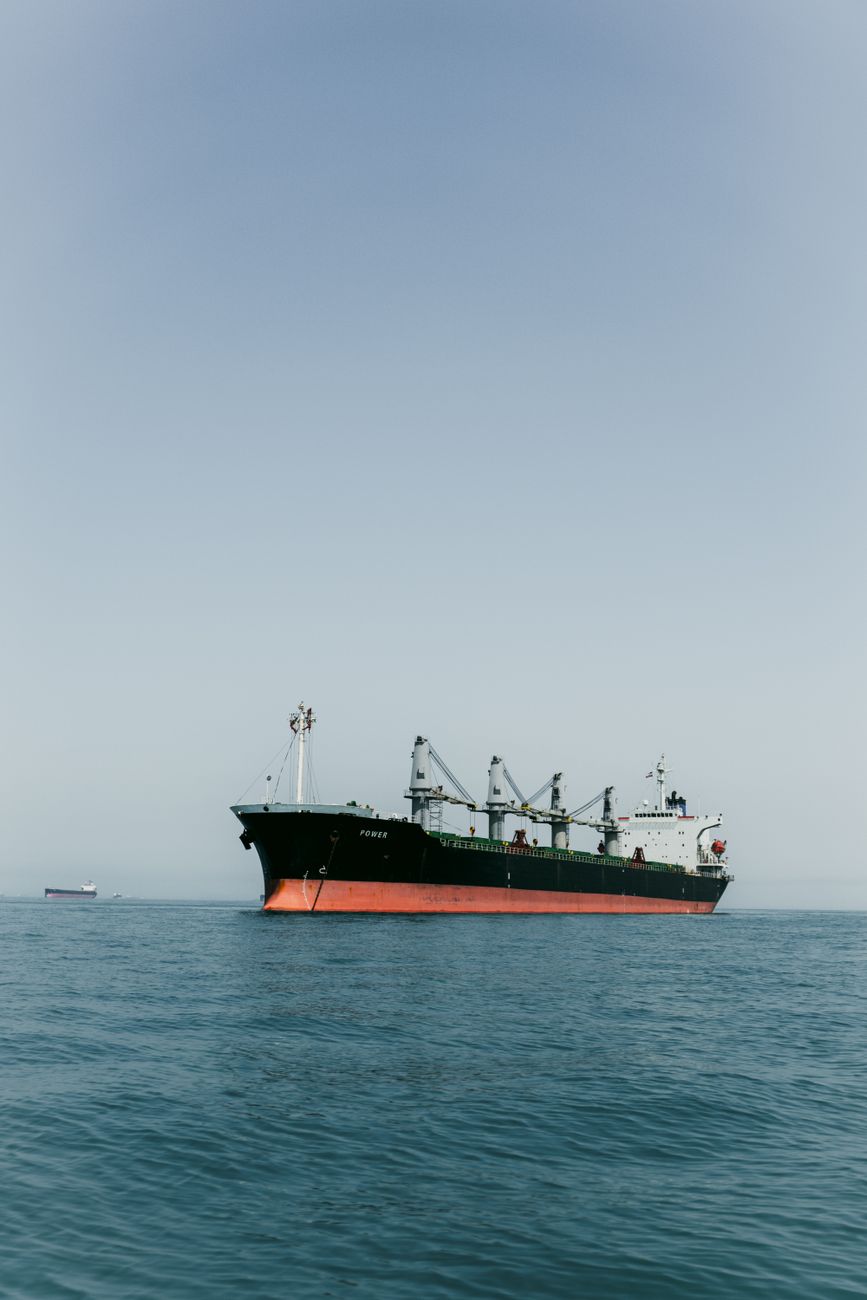
Donald Trump faces a narrowing choice as a two-week U.S.-Iran ceasefire nears expiry after American forces seized an Iranian-flagged cargo ship, raising the stakes for talks tied to Hormuz shipping.

Donald Trump is running out of room to keep a temporary lid on the Iran crisis after U.S. forces seized an Iranian-flagged cargo ship and pushed already fragile talks toward a ceasefire deadline.
That is the operational fact at the center of the story. The ship seizure matters on its own, but its bigger effect is political: it lands just as the two-week pause announced on April 7 appears to be nearing expiry, with visible Reuters and AP reporting suggesting the negotiating track remains open yet deeply unstable. The immediate question is not whether Washington and Tehran like each other any better than they did a week ago. It is whether the narrow mechanism preventing a wider regional confrontation can survive a coercive maritime move so close to decision time.
Temporary ceasefires are often described as pauses in fighting. In practice they are also systems of expectation. Shipping firms make decisions around them. Energy traders price them. Mediators invest credibility in them. Regional governments test whether they can route messages through back channels without being humiliated in public. Once that system begins to wobble, every downstream market starts behaving like the pause might fail.
That is why this story leads the global file. The visible reporting points to Pakistan as part of the mediation context, an important signal that the talks have not collapsed into pure confrontation. A live channel is still a live channel. But the ship seizure cuts directly against the confidence needed to extend any temporary arrangement. If Washington is using pressure to gain leverage before the deadline, it may still extract concessions. If Tehran reads it as proof that restraint brings no security benefit, the diplomatic math changes immediately.
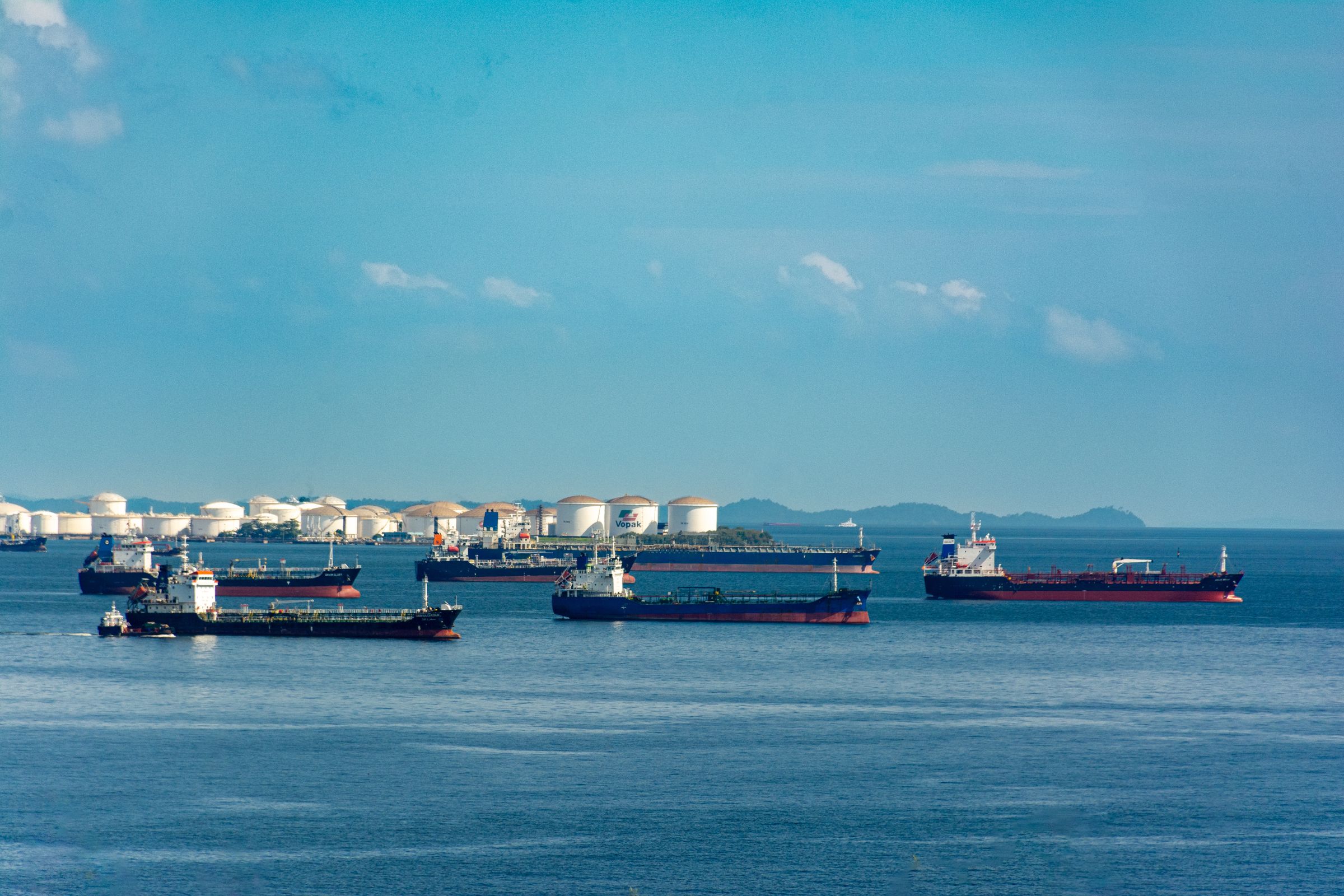
The Strait of Hormuz sits behind all of this, whether named in every headline or not. The world’s oil market reacts to that chokepoint faster than it reacts to speeches, because tankers and insurers cannot operate on vibes. If the ceasefire is renewed, even narrowly, the result is not peace. It is a continued argument inside a guarded corridor. If the ceasefire lapses, the argument turns into a larger test of how much disruption the region and the global economy are expected to absorb.
That is also why market coverage can misread the sequence. Oil moves are not the main event. They are the transmission belt for political decisions taken elsewhere. A jump in crude is the visible symptom of traders trying to price uncertainty about whether ships can move, whether escorts will be needed, whether sanctions will widen, and whether a confrontation at sea becomes a precedent instead of a warning.
For Washington, the choice is awkward. Extending the ceasefire without a deal risks looking weak after the seizure. Refusing to extend it risks proving that the pause was only ever a short tactical interval. Trump’s reported reluctance to renew the arrangement without visible progress makes that dilemma sharper, because it tells both allies and adversaries that time pressure is real.
For Tehran, the incentive structure is just as messy. Iran can present the seizure as evidence that American guarantees are worthless, which hardens its own bargaining line. At the same time, it still has reason to keep talking if the alternative is a broader confrontation centered on shipping lanes and economic pain. That tension is why the talks remain uncertain instead of dead.
The next signal will be unmistakable when it comes. Either there is a formal extension, a confirmed talks venue, or a public mechanism to keep maritime traffic from becoming the trigger for a wider fight. Or none of those things arrive, and the ceasefire becomes a countdown that ended exactly when everyone said it might.
For now, the most important fact is not who won the last rhetorical exchange. It is that a seized cargo ship has turned a temporary pause into a test of whether the region is still in containment mode at all.
Add context
Know something useful about this story?
Albis is built for public understanding. If you have a source, lived experience, or a missing angle, you can add context for others.
Share context →Sources & Verification
Based on 3 sources from 2 regions
- ReutersGlobal
- Associated PressGlobal
- Global ScanInternal
Conversation
What are you seeing?
Add local context, a source, a question, or a perspective we may have missed. You can comment as a guest or create a free account.
Loading conversation…
Get the daily briefing free
News from 7 regions and 16 languages, delivered to your inbox every morning.
Free · Daily · Unsubscribe anytime
🔒 We never share your email