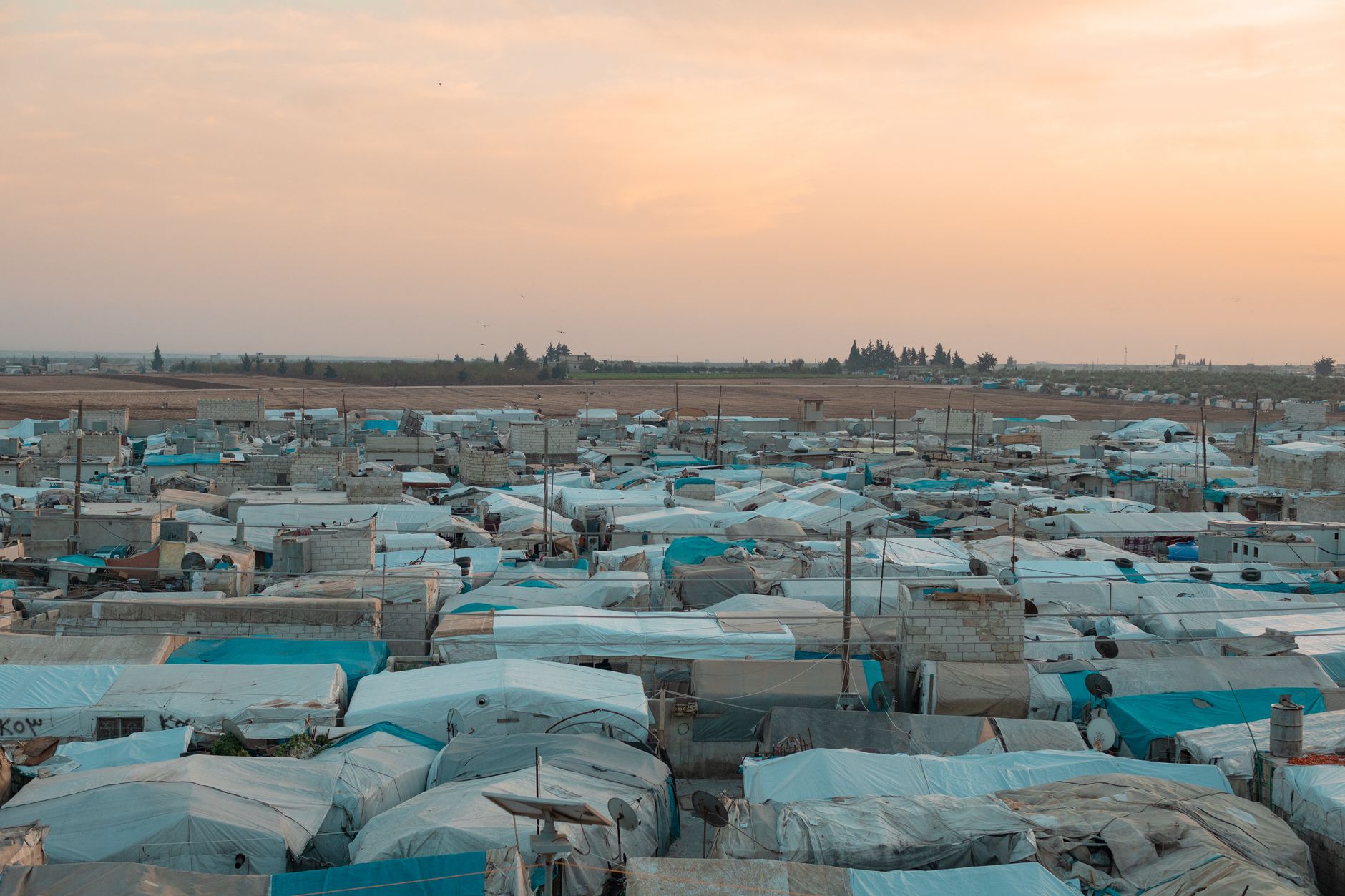
FAO and WFP warn hunger is worsening across 13 hotspots
The UN food agencies say acute food insecurity is expected to worsen between June and November 2026, with Sudan, South Sudan, Yemen and Palestine still at highest concern and Nigeria and Somalia now joining that group as famine risks rise.

FAO and WFP warn hunger is worsening across 13 hotspots
Last updated June 18, 2026
- The warning flags worsening cross-regional hunger risk with movement toward catastrophic conditions in multiple conflict zones.
- The report was released through the Global Network Against Food Crises, which publishes the Hunger Hotspots assessment twice a year.
- Sudan, South Sudan, Yemen and Palestine remain the world’s most critical hunger hotspots in terms of severity and magnitude, according to FAO and WFP.
Still unclear: What local readers are seeing from the ground
The Food and Agriculture Organization of the United Nations and the World Food Programme warned on June 17 that acute food insecurity is expected to worsen for millions of people across 13 “hunger hotspots” between June and November 2026. The report was released through the Global Network Against Food Crises, which publishes the Hunger Hotspots assessment twice a year.
Sudan, South Sudan, Yemen and Palestine remain the world’s most critical hunger hotspots in terms of severity and magnitude, according to FAO and WFP. Nigeria and Somalia have now been added to the list of countries of highest concern as conditions deteriorate toward catastrophic levels.
In northeast Nigeria, projections indicate that populations in Borno State may face Catastrophe levels of acute food insecurity during the period covered by the report. FAO defines that level as an extreme lack of food or other basic needs, with starvation, death, destitution and extremely critical acute malnutrition evident.
Somalia has also been placed in the highest-concern category, with populations in the Bay region of Burhakaba District facing a risk of Famine. The warning places both Somalia and northeast Nigeria alongside conflict-hit areas where hunger is no longer only a chronic pressure but a near-term risk of mass deterioration.
The Independent, citing the same UN food-agency report, says around 266 million people are already facing high levels of acute food insecurity. The agencies called for urgent action as conflict, funding shortages and climate shocks push people closer to famine.
Armed conflict and violence remain the main drivers of acute food insecurity, affecting 12 of the 13 hotspots, according to FAO and WFP. Those pressures are compounded by economic shocks, severe funding shortfalls and rising risks linked to a forecast El Niño event, which is expected to bring uneven rainfall, droughts and flooding across already vulnerable countries.
The funding picture is deteriorating at the same time as needs rise. Mirage News, carrying the FAO-WFP release, says funding for food assistance, emergency agricultural assistance and nutrition in food crises declined by an estimated 59 percent. The Independent also reports deep cuts to humanitarian funding as one of the forces pushing millions closer to famine.
The warning is not only about food deliveries. Emergency agricultural support, nutrition programmes, clean water, health care, transport access and local market stability all shape whether households can stay where they are, keep children fed and avoid irreversible losses. When conflict blocks movement or destroys livelihoods, hunger becomes a public-capacity crisis as well as a household emergency.
The report’s clearest uncertainty is not whether the pressure is real. It is whether assistance, access and funding will arrive before the June-to-November window turns projections into famine conditions. The agencies identify the hotspots; the outcome will depend on whether conflict eases, humanitarian access opens and food and agricultural support are financed at the scale required.
The cleanest reading is severe and practical: the hunger map is widening while the response system is weakening. Somalia and northeast Nigeria are now moving into the highest-risk tier, and the countries already at the top of the list remain there. The next months will test whether early warning can still trigger early action.
Add context
Know something useful about this story?
Albis is built for public understanding. If you have a source, lived experience, or a missing angle, you can add context for others.
Share context →Sources for this article are being documented. Albis is building transparent source tracking for every story.
Conversation
What are you seeing?
Add local context, a source, a question, or a perspective we may have missed. You can comment as a guest or create a free account.
Loading conversation…
Get the daily briefing free
News from 7 regions and 16 languages, delivered to your inbox every morning.
Free · Daily · Unsubscribe anytime
🔒 We never share your email