Sudan’s damaged breadbasket is pushing hunger deeper into daily life
War has damaged Sudan’s farming system just as families face one of the world’s largest hunger emergencies, with Middle East conflict adding new pressure through rising farm costs.
Farmers in Omdurman were still harvesting onions, potatoes and green crops in late April, working irrigated fields on the outskirts of Khartoum even as Sudan’s war kept pressing into the country’s food system.
The immediate pressure is local and practical. AP reported that farmers already strained by the war between Sudan’s military and the Rapid Support Forces are now watching costs rise because of conflict in the Middle East. For a farming economy trying to keep producing through war, higher input costs can turn a damaged harvest season into a deeper access problem for households.
Sudan was already at war and hungry before that added pressure arrived. Al Jazeera described the conflict as one of the world’s worst humanitarian crises, citing a UNDP and Institute for Security Studies report that said more than 150,000 people have been killed since fighting began in 2023, nearly 15 million displaced, up to 24 million face food shortages, and at least 19 million lack access to safe drinking water and sanitation.
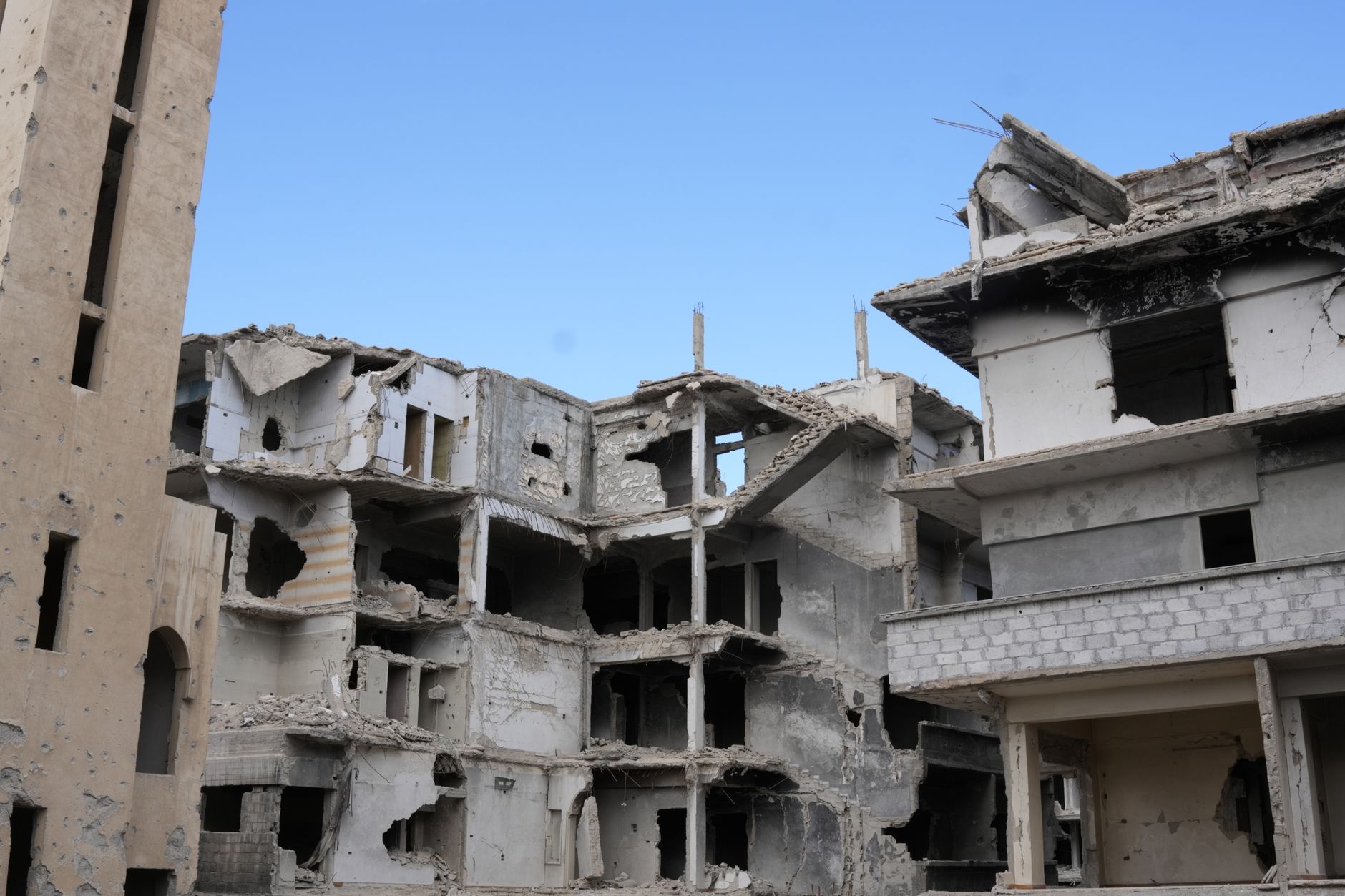
Agricultural destruction matters because Sudan’s food crisis is not only about aid access or front-line fighting. It is also about the erosion of the systems that normally keep food moving: fields, irrigation, transport, fuel, fertiliser, labour, markets and household purchasing power. When those systems are damaged, hunger becomes harder to reverse even if a particular battlefront quiets.
The regional frame is split. African and humanitarian coverage places the food system near the centre of the story: destroyed farms, displaced communities and the risk that a long war will make hunger structural. Middle East-linked coverage adds another layer by showing how conflict beyond Sudan can raise costs for farmers already trying to survive their own war.
That difference changes how readers understand the crisis. If Sudan is treated mainly as a battlefield, food insecurity can look like a consequence that follows violence. If the country’s farming base is treated as part of the conflict’s damage, the crisis looks more durable: war is not only taking lives now, but weakening the next season’s capacity to feed people.
The warnings about a prolonged war sharpen that concern. Al Jazeera reported that RSF commander Mohamed Hamdan Dagalo, known as Hemedti, said his forces were prepared to keep fighting “until 2040 if necessary,” while army chief Abdel Fattah al-Burhan estimated the war could last until 2033. UNDP Sudan Representative Luca Renda warned that “the longer the war continues, the greater the misery,” calling it “the economics of suffering.”
For readers outside Sudan, the food story is a reminder that humanitarian emergencies often widen through ordinary supply chains before they appear as dramatic new headlines. A farmer facing higher costs, a family facing thinner markets, and a clinic facing more malnutrition are not separate stories; they are the same war moving through daily life.
Add context
Know something useful about this story?
Albis is built for public understanding. If you have a source, lived experience, or a missing angle, you can add context for others.
Share context →Sources for this article are being documented. Albis is building transparent source tracking for every story.
Conversation
What are you seeing?
Add local context, a source, a question, or a perspective we may have missed. You can comment as a guest or create a free account.
Loading conversation…
Get the daily briefing free
News from 7 regions and 16 languages, delivered to your inbox every morning.
Free · Daily · Unsubscribe anytime
🔒 We never share your email