US-Iran ceasefire framework strains after US seizes Iranian cargo ship and talks wobble
A weakening ceasefire between the US and Iran could quickly spill back into energy, shipping, and wider regional conflict.
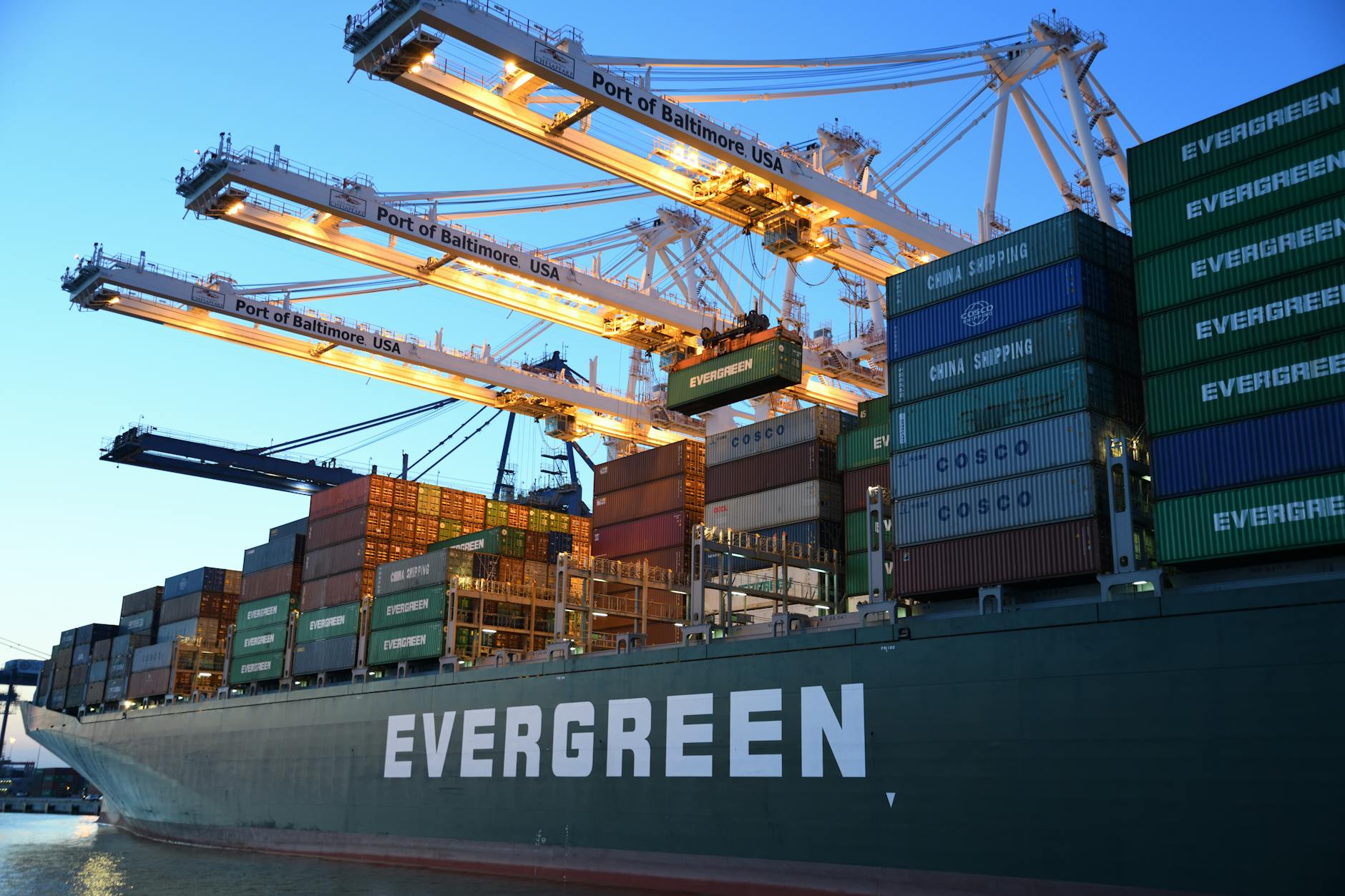
US forces seized an Iranian cargo ship as a fragile ceasefire framework between Washington and Tehran was already showing signs of strain. The seizure landed at exactly the wrong moment: mediators were still trying to hold open a path to further talks, but trust was thinning and both sides were already disputing whether the de-escalation architecture had any real operational force.
That makes this more than another tense exchange in a crowded crisis. A ceasefire can remain formally alive while its practical credibility erodes in full public view, and that is often the stage at which markets, shipping networks, regional states, and military planners start preparing for a snapback into open confrontation. The most important question is not whether the framework has officially collapsed yet. It is whether the seizure pushes both sides into treating the pause as temporary cover rather than a platform for negotiation.
The cargo-ship incident matters because it strikes at the mechanics of de-escalation. A functioning pause depends on some minimum level of predictability: talks have to stay on the table, intermediaries have to be able to shuttle messages, and each side has to believe the other is at least partly invested in avoiding a fresh cycle of escalation. A high-profile seizure does the opposite. It raises the political cost of restraint, creates immediate pressure for retaliation, and narrows the room for either side to present diplomacy as credible to domestic audiences.
That pressure radiates outward quickly. Energy traders do not need a formal war resumption to react; they need only enough evidence that the ceasefire cannot be trusted. Shipping insurers do not wait for a definitive breakdown either. They respond to the possibility that a fragile route or corridor may close again with little warning. That is why the US-Iran story still sits at the top of the scan. A paper framework can coexist with a real deterioration in operating trust, and when that happens the second-order effects arrive before any official declaration of failure.
Regional coverage patterns matter here too. The story is receiving attention across the US, Europe, the Middle East, South Asia, and wider global outlets, which signals that it is already being processed as a cross-regional systems risk rather than a contained bilateral dispute. At the same time, the framing is not uniform. In some places the emphasis is on maritime enforcement and deterrence. In others it is on ceasefire credibility, mediation, or the risk of a renewed Hormuz shock. That difference is important because the way the story is framed shapes what different audiences expect governments to do next.
The connection to Hormuz is especially important. The strait remains the cleanest practical test of whether de-escalation is real. If the seizure hardens positions and undermines talks, then any brief easing in maritime restrictions becomes easier to reverse. That turns a diplomatic problem into an energy, inflation, and logistics problem very quickly. A fragile ceasefire that cannot keep a major chokepoint stable is not functioning as a reliable stabilisation mechanism, no matter what the official language says.
The next signals to watch are concrete. Does Tehran retaliate directly, symbolically, or through proxy pressure? Do mediators still manage to keep a next round of talks alive? Do shipping restrictions tighten again in practice even if public messaging remains ambiguous? Those are the indicators that will tell us whether this is a violent wobble inside an imperfect process or the start of a wider breakdown.
For now, the important point is simple: the ceasefire framework is still alive enough to matter, but weak enough to fail suddenly. The seizure of the cargo ship is not just another episode in an old rivalry. It is a live test of whether the current pause has enough substance to survive direct provocations. If it does not, the consequences will not stay confined to diplomacy. They will move straight into shipping, energy pricing, and wider regional risk.
Add context
Know something useful about this story?
Albis is built for public understanding. If you have a source, lived experience, or a missing angle, you can add context for others.
Share context →Sources for this article are being documented. Albis is building transparent source tracking for every story.
Conversation
What are you seeing?
Add local context, a source, a question, or a perspective we may have missed. You can comment as a guest or create a free account.
Loading conversation…
Get the daily briefing free
News from 7 regions and 16 languages, delivered to your inbox every morning.
Free · Daily · Unsubscribe anytime
🔒 We never share your email


