Rare Triplet Cyclones Forming in West Pacific May Trigger Super El Niño
Three tropical cyclones are developing simultaneously in the western Pacific, a formation pattern that climate scientists say could trigger a super El Niño event reshaping global weather into 2027.

Three tropical cyclones are forming simultaneously across the western Pacific basin this week, a rare triplet pattern that has occurred only four times in the satellite record, according to the US National Oceanic and Atmospheric Administration (NOAA).
The systems — designated Invest 91W near Guam, Invest 92W east of the Philippines and Invest 93W south of the Marshall Islands — are drawing energy from sea surface temperatures running 1.8°C above the 1991-2020 average, NOAA's Climate Prediction Center reported Friday.
The triplet formation matters beyond the immediate storm threat. Atmospheric scientists at NOAA and Japan's Meteorological Agency said the pattern can generate westerly wind bursts across the equatorial Pacific — the mechanism that initiates El Niño events.
How Cyclones Trigger El Niño
Under normal Pacific conditions, trade winds blow east to west, holding warm water in a pool near Indonesia and Australia. El Niño begins when those winds weaken or reverse, allowing the warm pool to slosh eastward toward South America.
Tropical cyclones rotate counterclockwise in the Northern Hemisphere. When multiple cyclones form near the equator simultaneously, their combined circulation pushes surface winds westward on their southern flanks — a westerly wind burst.
"Triplet cyclone events preceded both the 1997-98 and 2015-16 super El Niños," said Dr. Michelle L'Heureux, head of NOAA's El Niño/Southern Oscillation forecast team, in an interview with Science magazine published Thursday. "We're watching these systems very carefully."
NOAA raised its probability of El Niño developing by September 2026 from 35 percent to 62 percent in its Thursday update — the largest single-month jump in the forecast model's history.
What a Super El Niño Would Mean
The 1997-98 super El Niño killed an estimated 23,000 people and caused $36 billion in damage worldwide, according to a retrospective analysis published in the Bulletin of the American Meteorological Society. The 2015-16 event was less deadly but drove global temperatures to records that stood until 2024.
A super El Niño in late 2026 or early 2027 would arrive into a world already stressed by the Iran war's disruption of energy and food systems.
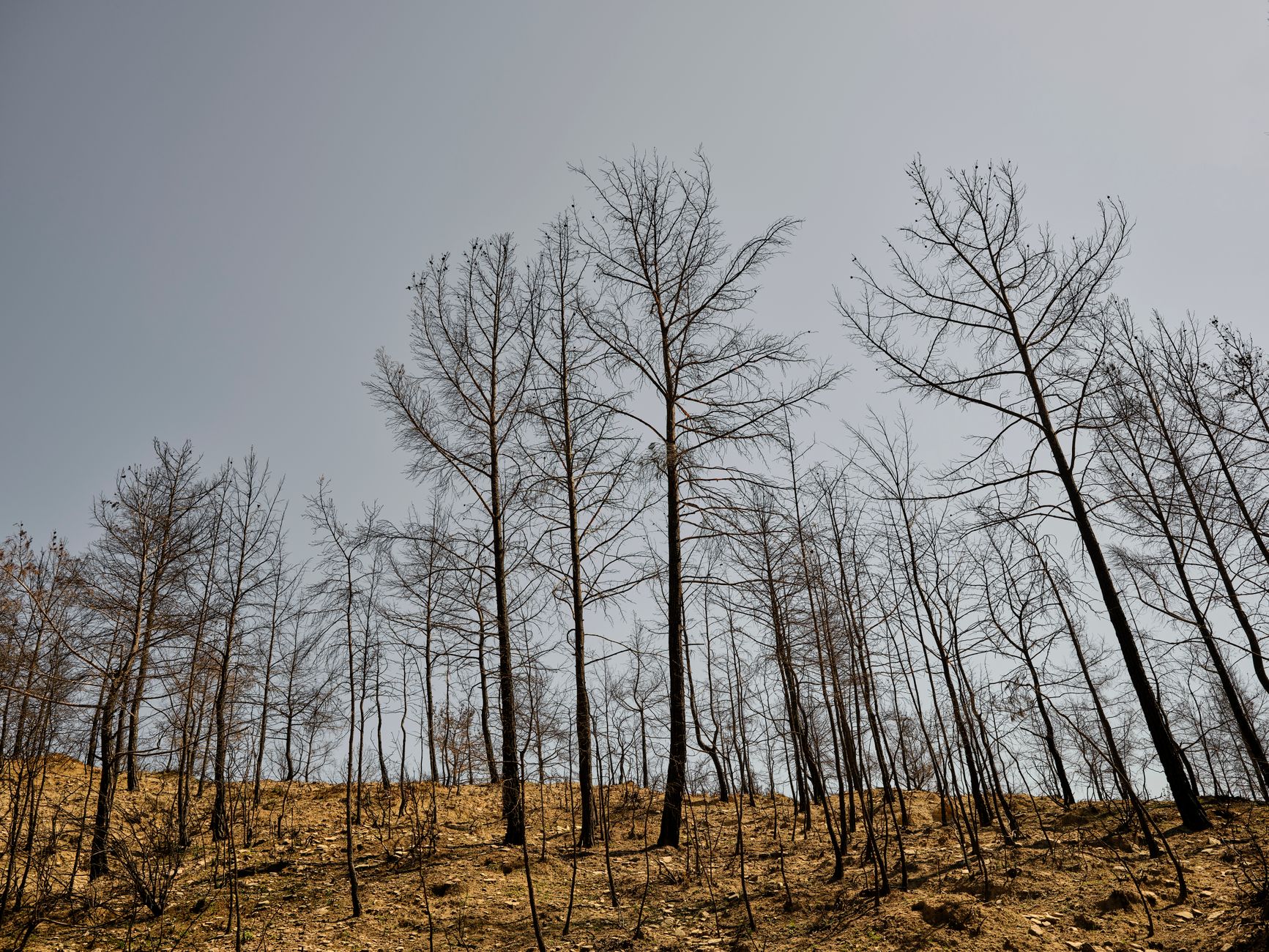
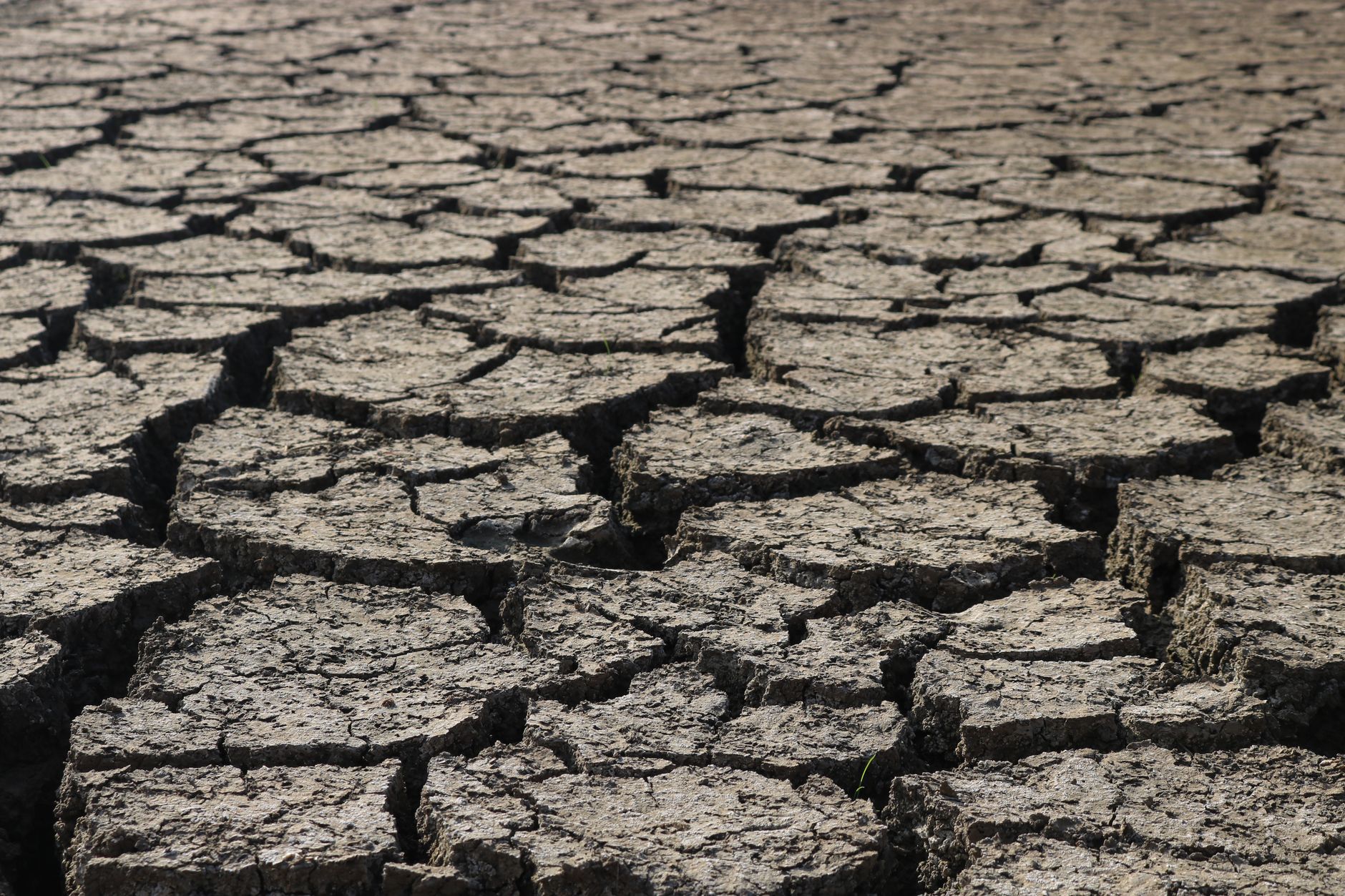
El Niño typically brings drought to Southeast Asia, Australia and India while delivering heavy rainfall to South America's west coast and the southern United States. Agricultural impacts include reduced rice yields across Asia, lower wheat production in Australia and disrupted monsoon patterns in the Indian subcontinent.
India — already facing inflation driven by Hormuz-linked oil price surges — would confront a potential monsoon failure on top of a fertiliser shortage. The Indian Meteorological Department has not yet issued its long-range monsoon forecast for 2026, normally published in mid-April.
The Heat Underneath
The western Pacific's extreme sea surface temperatures are themselves a product of accumulated warming. The ocean absorbed roughly 14 zettajoules more heat in 2025 than the 2005-2019 average, according to data published in January by an international team in Advances in Atmospheric Sciences. That stored energy fuels tropical cyclones and provides the warm water that El Niño redistributes.
The connection to the broader climate trajectory is direct. The Copernicus Climate Change Service confirmed in January that 2025 was the second consecutive year with global average temperatures exceeding 1.5°C above pre-industrial levels.
Japan's Meteorological Agency, which runs one of the world's primary El Niño prediction models, issued an advisory Friday noting that subsurface warm water anomalies in the central Pacific — a leading indicator — have strengthened in March and early April. "Conditions are becoming favourable for El Niño development," the agency said.
Immediate Storm Risks
The three developing systems pose their own threat before any El Niño materialises. Invest 91W is expected to strengthen into a tropical storm by Sunday, with the Philippines and Taiwan in its potential track. Invest 92W threatens the southern Philippines. Invest 93W is the least developed but sits in warm, low-shear waters conducive to rapid intensification.
The Philippines, already under a national energy emergency due to Hormuz-linked fuel shortages, would face compounding disasters if a cyclone strikes. The Philippine Atmospheric, Geophysical and Astronomical Services Administration (PAGASA) raised its alert level Friday and advised provincial disaster offices to begin preparations.
NOAA's next official El Niño forecast update is scheduled for April 10. If the westerly wind burst materialises as the triplet cyclones mature, the timeline for El Niño onset could accelerate from September to July.
Add context
Know something useful about this story?
Albis is built for public understanding. If you have a source, lived experience, or a missing angle, you can add context for others.
Share context →Sources for this article are being documented. Albis is building transparent source tracking for every story.
Conversation
What are you seeing?
Add local context, a source, a question, or a perspective we may have missed. You can comment as a guest or create a free account.
Loading conversation…
Get the daily briefing free
News from 7 regions and 16 languages, delivered to your inbox every morning.
Free · Daily · Unsubscribe anytime
🔒 We never share your email